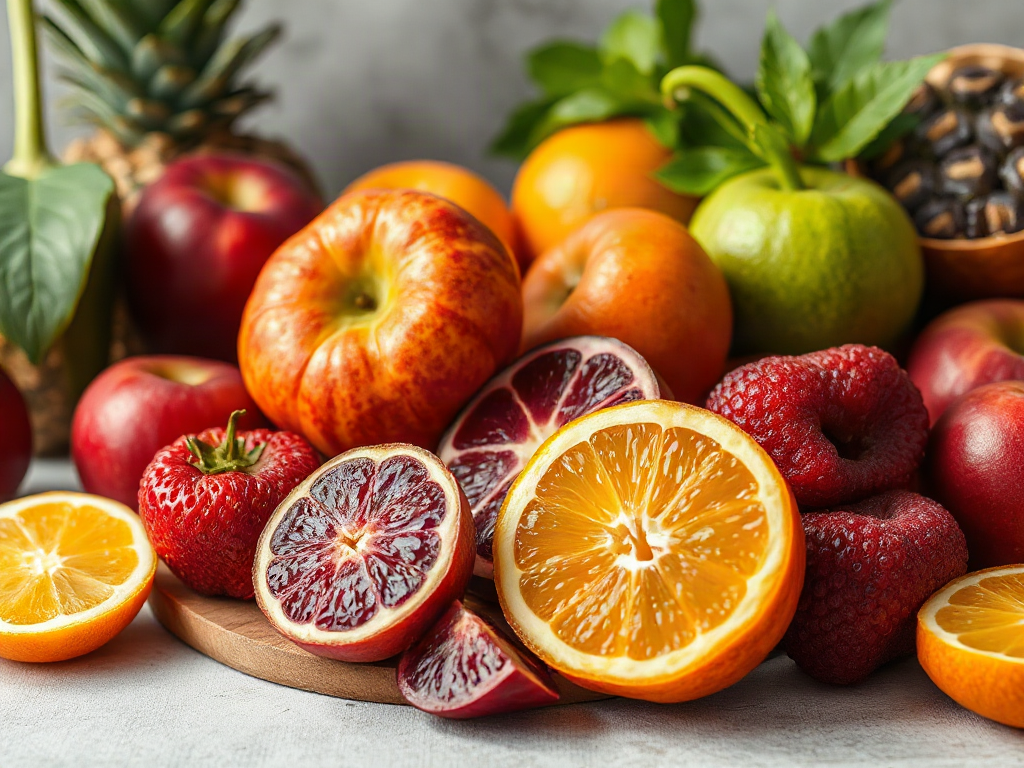
Organic fruits are best served chilled when crispness and refreshment matter, but room temperature usually gives aromatic fruits a fuller flavor and softer texture. Refrigerate berries, grapes, cut melon, and ripe stone fruit for storage, then consider letting peaches, nectarines, mangoes, and pears warm for 20 to 30 minutes before eating. Cold temperatures reduce the release of aroma compounds, so deeply chilled fruit may taste less sweet even though its sugar content has not changed. Keep cut fruit refrigerated for food safety, and never leave highly perishable pieces out merely to improve flavor.
Why Does Serving Temperature Change Fruit Flavor?
Temperature changes how fruit smells, tastes, and feels without changing whether it was grown organically. Volatile aroma compounds escape more readily as fruit warms, making the floral notes of a peach or the tropical character of a mango easier to perceive. Because much of flavor depends on aroma, cold fruit can seem muted even when it is fully ripe and naturally sweet.
Texture moves in the opposite direction for some fruits. Chilling can make grapes feel firmer, watermelon more refreshing, and apple slices crisper. That sensory contrast is especially noticeable on a hot day or alongside a warm meal. Yet refrigeration does not repair poor texture. A mealy apple remains mealy, and an underripe peach does not become pleasantly crisp simply because it is cold.
The effect is easiest to notice through a side-by-side comparison. Divide a ripe pear or peach into two portions, chill one portion briefly, and leave the other at a comfortable indoor temperature. The warmer serving will usually produce a stronger aroma and a softer, juicier bite. The colder portion may feel cleaner and firmer but reveal less nuance. This is a serving experiment, not a storage recommendation: once fruit is cut, it should not remain unrefrigerated for an extended period.
Perceived sweetness can shift as well. Very cold foods often taste less sweet because low temperature dampens sensory perception. Adding sweetener to compensate is usually the wrong response. Allowing whole or safely chilled cut fruit to lose some of its refrigerator chill may reveal flavor that was already present.
A common misconception is that organic fruit requires a different serving temperature from conventionally grown fruit. Organic status concerns production and certification practices; it does not override cultivar, ripeness, handling, or food-safety needs. A ripe organic nectarine and a comparable conventional nectarine respond to temperature in broadly similar sensory ways. Prioritize the fruit’s condition and intended use rather than treating the label as a temperature instruction.
Which Organic Fruits Are Better Chilled?
Fruits valued for snap, crispness, or cooling juiciness are often most enjoyable chilled. Grapes, apples, watermelon, cantaloupe, citrus segments, pomegranate arils, and many berries fit this pattern. Refrigeration can provide a firmer bite and slow deterioration after the fruit has reached the desired ripeness.
Grapes are a clear example. Chilled grapes feel taut and refreshing, while warm grapes can seem softer and more intensely sweet. Apples also benefit from cool storage because their texture tends to decline faster at room temperature. For direct serving, however, an apple does not need to be ice-cold. Ten minutes outside the refrigerator may reduce the numbing chill without sacrificing much crispness.
Berries deserve more nuance. Strawberries may release more aroma after warming slightly, but raspberries, blackberries, and blueberries are fragile and can soften or mold quickly when mishandled. Serve them cool or allow only the portion being eaten to sit briefly. Wash berries under clean running water close to serving rather than washing an entire package days ahead; lingering moisture can accelerate spoilage. Drain and dry them gently before returning any unused fruit to refrigeration.
Melons are commonly preferred cold, particularly after cutting. Their high water content makes chilled pieces refreshing, and cut melon requires refrigeration rather than countertop storage. Whole melons may be held differently depending on type and ripeness, but once the rind is breached, the safer decision is to cover and chill the flesh promptly. Do not use smell alone to judge the safety of cut fruit that has been left warm too long.
Fruit salads also belong in the chilled category because cutting exposes moist surfaces and combines ingredients with different rates of softening. Add delicate berries shortly before serving, and keep bananas separate until the last moment because they brown and become soft quickly. If a bowl will be offered outdoors, set out smaller amounts and replenish from the refrigerator instead of leaving the entire batch in the sun.
The main failure mode is using refrigeration as a substitute for ripeness. Cold storage slows changes; it does not reliably turn hard, flavorless fruit into a ripe serving. Let climacteric fruits such as pears or peaches ripen appropriately first, then refrigerate them to preserve their usable window.
Which Fruits Taste Better at Room Temperature?
Aromatic, fully ripe fruits generally show more character when served at room temperature or only lightly cool. Peaches, nectarines, plums, apricots, pears, mangoes, papayas, bananas, and fresh figs are leading examples. Their appeal comes from fragrance, tender flesh, and abundant juice, all of which can be less noticeable straight from a cold refrigerator.
Room-temperature service does not mean indefinite countertop storage. A ripe peach may be kept cold to slow further softening, then removed 20 to 30 minutes before eating. That short tempering period can restore aroma while limiting the time a delicate fruit spends warm. Whole fruit warms more slowly than slices, so allow more time for a large mango and less for thin pear wedges.
Bananas are usually better stored and served outside the refrigerator until ripe. Cold exposure can darken the peel, although the flesh may remain usable. Mangoes and pears likewise need time at room temperature to ripen if purchased firm. Refrigerating them too early can delay normal softening and leave the eating experience disappointing. Once ripe, refrigeration may buy extra time, but the fruit should be checked daily for leaking juice, fermentation-like odors, or collapsed areas.
Tomatoes are botanically fruits and are often included in fruit-temperature discussions, although they are usually treated as vegetables in the kitchen. Ripe tomatoes commonly offer better aroma and texture when served at room temperature. If they must be refrigerated to prevent spoilage, bringing them out before a salad or sandwich can improve their sensory quality.
The opposing preference is still valid: some people like mango or peach slices cold because firmness and refreshment matter more to them than maximum aroma. Serving temperature is not a nutritional ranking. Chilling does not meaningfully remove the fruit’s fiber, carbohydrate, or naturally occurring vitamins during a normal serving period. Long storage, excessive cutting, heat, and spoilage are more consequential than whether a sound piece of fruit is eaten cool or moderately warm.
Avoid placing ripe fruit near a hot stove, in direct sunlight, or inside a warm vehicle to accelerate the process. Warmth can push soft fruit from ripe to overripe rapidly and creates poor conditions for cut produce. Room temperature means a normal indoor setting, not active heating.
Storage, Ripening, and Serving Checklist
The best decision separates three questions: Does the fruit still need to ripen, where should it be stored, and what temperature will make it enjoyable at serving time? Treating these as one question causes most errors. Fruit can be refrigerated for preservation and then briefly warmed for flavor, while fruit ripening on the counter can be chilled once it reaches the preferred stage.
| Fruit or Group | Storage Priority | Serving Approach | What to Watch |
|---|---|---|---|
| Grapes and apples | Refrigerate for firmness | Serve chilled or lightly cool | Shriveling, soft spots, fermented odor |
| Berries | Refrigerate promptly | Serve cool; warm only briefly | Mold, leaking juice, crushed fruit |
| Peaches and pears | Ripen first, then refrigerate | Temper 20–30 minutes | Hard flesh, bruising, rapid softening |
| Mangoes and papayas | Counter-ripen if firm | Serve near room temperature | Sour odor, sunken areas, leakage |
| Cut melon and mixed fruit | Keep refrigerated | Serve cold in small batches | Extended warm holding, sliminess |
Begin by checking ripeness with several senses rather than color alone. A ripe pear often yields slightly near the neck; a peach should have a developed aroma and gentle give without feeling collapsed. Color can mislead because cultivars differ, and organic fruit may show harmless surface variation. Bruises, mold, leaking liquid, or an alcoholic odor are more meaningful warning signs than cosmetic irregularities.
Next, refrigerate ripe fruit that will not be eaten promptly, especially fragile or cut items. Keep produce away from raw meat and containers that may leak. Wash hands, utensils, and preparation surfaces before cutting. Rinse whole fruit under running water even when the peel will not be eaten, because a knife can carry material from the surface into the flesh. Soap and household detergents are not intended for washing produce.
For service, remove only the amount needed. A breakfast bowl of sliced pear can warm while oats are prepared, whereas berries for yogurt are usually pleasant straight from the refrigerator. For a picnic, transport cut fruit in a cooler with cold packs and serve it in portions. Leaving a large platter exposed and repeatedly returning leftovers to the cooler creates avoidable temperature swings and handling.
Signs the approach is working include a clear fruit aroma, texture appropriate to the variety, and minimal leftover waste. Signs it is failing include repeatedly discarding overripe counter fruit, refrigerating hard peaches before they develop flavor, or allowing cut produce to sit warm for appearance or convenience. Adjust the routine by buying smaller quantities, ripening only what will be used soon, and separating storage temperature from serving preference.
Frequently Asked Questions
Does organic fruit need to be refrigerated?
Organic status does not determine refrigeration needs. Ripeness, fruit type, whether it has been cut, and how soon it will be eaten are the deciding factors.
How long should refrigerated fruit sit out before serving?
Aromatic whole fruits such as peaches, pears, and mangoes often need about 20 to 30 minutes to lose their deep chill. Cut fruit should be warmed only briefly and returned to refrigeration if not eaten.
Why does cold fruit sometimes taste less sweet?
Low temperature reduces aroma release and can dampen the perception of sweetness. The fruit’s sugar has not disappeared; its flavor is simply less expressive while deeply chilled.
Should berries be served cold or at room temperature?
Serve fragile berries cool for firmness and safer handling. Strawberries can become more aromatic after a short rest, but only the portion being eaten should be left out.
Can fruit be refrigerated after ripening on the counter?
Yes. Ripe peaches, pears, mangoes, and similar fruits can be refrigerated to slow further softening, then tempered briefly before serving for better aroma.
Conclusion
Choose serving temperature according to the quality you want to emphasize. Chill grapes, apples, melon, berries, and prepared fruit dishes when crispness, refreshment, and safe cold holding take priority. Let ripe peaches, pears, mangoes, figs, and other fragrant fruits shed some refrigerator chill when aroma and tenderness matter more.
Keep storage and service decisions separate. Ripen suitable fruits on the counter, refrigerate them once ready if extra time is needed, and warm only the portion about to be eaten. Cut fruit should remain cold except for brief serving periods, particularly at picnics or in warm rooms. Check ripeness before relying on temperature, rinse produce under running water, and discard fruit showing mold, leakage, or off odors. A small adjustment—often no more than a short rest outside the refrigerator—can improve flavor without compromising sensible handling.