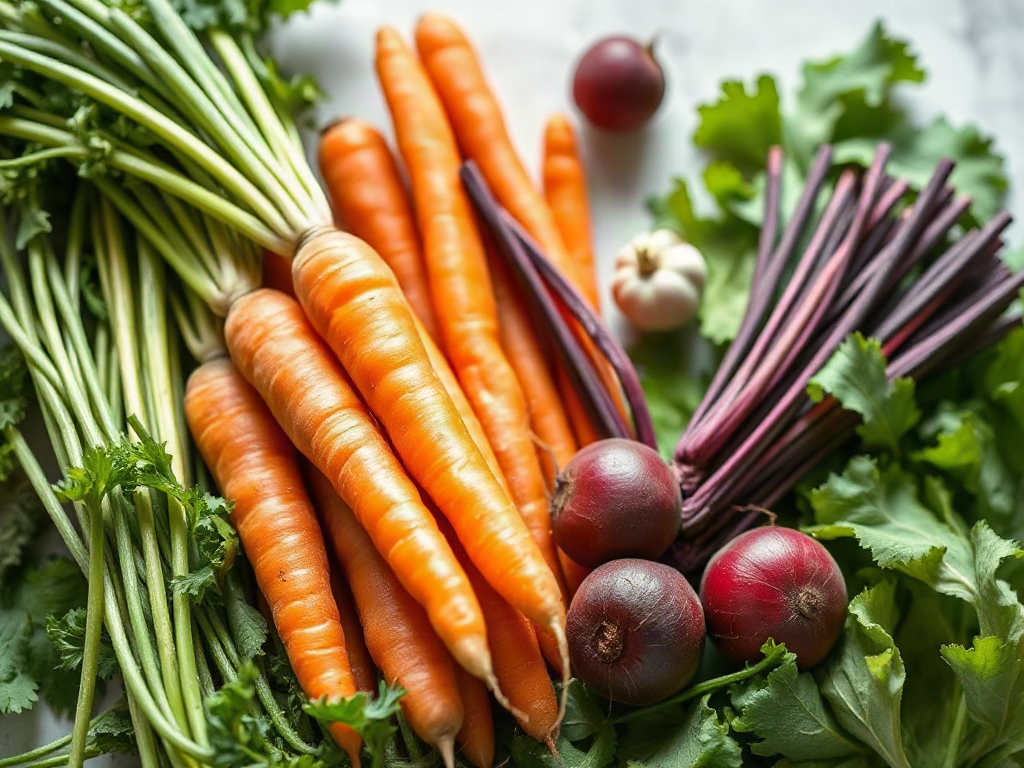
Baby vegetables and mature vegetables can both contribute valuable nutrition, but maturity changes their water content, fiber texture, flavor, and sometimes nutrient concentration. Baby carrots, beets, and zucchini are often harvested earlier or selected as smaller cultivars, while mature versions usually have more developed structure and may provide a denser bite with different amounts of fiber and plant compounds. Cooking method, freshness, and edible portion often matter as much as size. Choose baby vegetables for tender texture and quick cooking, and mature vegetables when you want stronger flavor, firmer texture, or better value; neither category is automatically more nutritious.
How Vegetable Maturity Changes Nutrition
Size alone does not determine whether a vegetable is “baby” or mature. Some baby vegetables are harvested before full development, such as baby beets or young carrots. Others are naturally small cultivars, including baby potatoes and certain squash varieties. That distinction matters because an early-harvest vegetable may have a different seed, peel, water, and fiber structure from a small variety that has reached botanical maturity.
As vegetables mature, their cells often become more structurally developed. Fiber can feel tougher, seeds may become larger, and starches or other storage compounds may increase in some crops. Young vegetables commonly have a tender texture and mild flavor because their tissues are less fibrous. Those changes affect eating quality, but they do not create a universal rule that one stage is healthier.
Carrots illustrate the limits of simple comparisons. A young carrot may be tender and easy to eat raw, while a fully developed carrot may offer a stronger carrot flavor and a substantial texture. Both provide fiber and carotenoids, although the exact nutrient profile depends on cultivar, growing conditions, storage, and preparation. Peeling can also change the comparison because some nutrients and plant compounds are concentrated near the surface.
Water content is another reason nutrition labels can appear different. A tender vegetable with more water may have fewer nutrients per bite by weight, while a denser mature vegetable may provide more calories, starch, or fiber in the same weight. That does not necessarily make the mature version preferable. A person may eat a larger serving of a mild, tender vegetable, changing the practical nutrient intake.
For everyday eating, compare the whole food rather than chasing a theoretical peak. A fresh baby vegetable that gets eaten may be more useful than a mature vegetable that is too tough or bitter to serve. The relevant question is not simply which stage contains more nutrients, but which option delivers a varied, minimally processed serving that fits the meal and the eater.
Baby and Mature Vegetables Compared by Type
The nutrition difference becomes clearer when vegetables are compared by crop instead of treated as one category. Baby carrots, for example, may mean true young carrots, but many supermarket “baby-cut” carrots are mature carrots shaped into small pieces. Their size and smooth appearance do not prove that they were harvested early. They can still be a convenient source of fiber and carotenoids, but they should not be used as evidence that all baby vegetables have a special nutrient advantage.
Baby spinach and mature spinach differ more noticeably in texture and preparation. Young leaves are usually tender and mild enough for salads, whereas mature leaves are thicker and often better suited to sautéing, steaming, or adding to soups. Cooking reduces volume and makes it easier to eat a larger amount, but heat and water can affect particular vitamins. A practical choice is to use young leaves raw when their texture encourages salad intake and mature leaves cooked when a concentrated vegetable portion works better.
Baby potatoes are generally small potatoes, not necessarily immature potatoes. They retain a thin skin and may have a waxy texture that holds together in roasting or boiling. Mature potatoes can be larger and starchier, making them useful for baking or mashing. The main nutritional shift often comes from the variety, serving size, cooking method, and additions such as oil, butter, or salty sauces rather than from the label “baby.”
Young zucchini, baby turnips, and small beets tend to have delicate skins and smaller seeds. Mature examples may have firmer flesh, more pronounced flavor, or a tougher exterior that benefits from peeling or longer cooking. The mature option is not automatically less nutritious; its stronger flavor may make it more satisfying in a roasted vegetable dish. Conversely, a young vegetable may be the better choice for quick cooking and meals where texture is the deciding factor.
Use baby vegetables versus mature vegetables nutrition as a crop-by-crop question. Compare the edible portion, whether the skin is retained, and the preparation method. A small natural potato, a young carrot, and a baby spinach leaf do not represent the same biological stage, so broad claims about “baby” nutrition can mislead.
Freshness, Cooking, and Portion Effects
Freshness can matter more than maturity when the goal is a nutritious meal. Vegetables gradually lose quality during storage, particularly when exposed to heat, light, oxygen, or excess moisture. The rate differs by nutrient and vegetable, so a precise ranking is not reliable. A crisp mature green bean bought recently may be a better eating choice than a wilted young bean stored too long.
Cooking changes texture, volume, and nutrient availability at the same time. Steaming, roasting, microwaving, sautéing, and boiling produce different results. Water-soluble nutrients may move into cooking water, while gentle cooking can soften cell walls and make some plant compounds easier to access. Roasting can intensify flavor but may dry a vegetable and encourage added oil. No single method consistently makes every vegetable nutritionally superior.
Consider a plate containing mature broccoli and baby carrots. Steaming the broccoli briefly can preserve its shape and make the florets tender, while roasting the carrots may bring out sweetness and reduce their water content. If the carrots are served with a high-sugar glaze, the nutritional balance changes more from the added ingredient than from their young size. A simple oil, herb, and acid-based dressing may preserve the vegetable’s role in the meal more effectively.
Portion size also prevents misleading comparisons. A nutrition panel may show values per 100 grams, but people eat servings by handful, cup, potato, or number of spears. A dense mature root may provide more energy per weight than a watery young squash, yet the squash may occupy more plate space and help create a satisfying meal. Both measurements have value: weight helps with technical comparison, while a normal serving reflects actual eating.
Prepare vegetables in a way that protects the qualities you value. For maximum tenderness, choose young produce and cook it briefly. For deep flavor and a firmer side dish, select mature produce and roast or braise it. If a vegetable is past its prime, trim damaged areas when appropriate and use it in soup or a cooked dish rather than assuming its nutrition has vanished. Spoilage, mold, or an unpleasant odor is a safety issue, not a maturity preference.
How to Choose the Better Option for a Meal
The better choice depends on the job the vegetable must perform. Baby vegetables are useful when a dish benefits from quick cooking, thin skins, mild flavor, or a tender bite. Mature vegetables are often more practical when the recipe requires extended roasting, firm pieces, stronger flavor, or a lower cost per edible serving. Nutrition should guide the choice, but texture and usability determine whether the food is actually eaten.
Use this short decision process before buying:
- Check the identity: Determine whether “baby” describes early harvest, a small cultivar, or a trimmed form of a mature vegetable.
- Check the condition: Favor crisp, firm, fresh-looking vegetables over a supposedly superior maturity stage that has been stored poorly.
- Match the cooking method: Use tender young vegetables for salads and brief sautéing; use mature vegetables for roasting, stews, and other longer cooking.
- Keep the edible portion: Thin skins and leaves may be usable, but wash produce and remove damaged or excessively tough parts.
- Compare the full meal: Account for added butter, oil, sugar, salt, cheese, or processed sauces rather than judging the vegetable alone.
Budget can change the recommendation. Baby vegetables may cost more because of selective harvesting, packaging, trimming, or convenience. A mature carrot, cabbage, or beet can provide comparable food value at a lower price, especially when the recipe involves chopping or blending. Paying extra makes more sense when reduced preparation time prevents waste or helps a household eat vegetables consistently.
Texture can also matter for children, older adults, or anyone with chewing difficulties, but softer does not always mean safer. Cut vegetables into appropriate pieces, cook firm produce until tender, and follow age-appropriate feeding guidance for infants and young children. The label “baby vegetable” does not make a raw piece suitable for every eater.
For a meal-planning perspective, the most useful comparison of baby and mature vegetables is practical: Which version will be prepared, accepted, and eaten without excessive processing? A less expensive mature vegetable may win for soup, while young zucchini may win for a fast skillet meal. Both can fit a nutritious pattern.
Common Nutrition Mistakes to Avoid
The most common mistake is assuming that smaller means more nutrient-dense. Size can reflect harvest timing, genetics, trimming, or packaging, and those factors do not carry the same nutritional meaning. A small vegetable may have a tender texture without containing more vitamins or minerals than its mature counterpart. Treat size as a culinary clue, not a health claim.
Another error is comparing unlike forms. Raw young spinach and cooked mature spinach occupy different volumes. Whole baby carrots and peeled mature carrots differ in edible surface area. Fresh potatoes and fried potato products are not equivalent comparisons. A fair evaluation keeps the crop, edible portion, preparation, and serving basis as consistent as possible.
People also overfocus on one nutrient. Carotenoids, vitamin C, folate, potassium, fiber, and plant compounds can respond differently to maturity and cooking. A vegetable that is not the top source of one nutrient may still add useful fiber, color, flavor, and variety. Relying on one “winner” can narrow the diet unnecessarily.
Ultimately, do not let premium packaging replace basic food judgment. Prewashed or trimmed baby vegetables can save time, but inspect them for wilting, excess moisture, damaged pieces, and use-by information. Whole mature vegetables may last longer and offer more flexibility, yet they require preparation. The right choice is the one whose quality, price, and preparation demands match your household.
A sensible priority order is freshness first, variety second, preparation third, and maturity label fourth. That order avoids the common failure of buying an attractive specialty product that is not used. Keep both stages in rotation: tender young vegetables can make quick meals appealing, while mature vegetables often provide economical ingredients for roasting, soups, grains, and mixed dishes.
Frequently Asked Questions
Are baby vegetables more nutritious than mature vegetables?
Not automatically. Nutrition varies by crop, cultivar, harvest stage, storage, edible portion, and cooking method, so neither category consistently wins.
Are baby-cut carrots actually young carrots?
Often they are mature carrots cut and polished into small pieces. Product descriptions or labeling may clarify whether a vegetable is an early-harvest type.
Do mature vegetables contain more fiber?
Some mature vegetables develop tougher structural fiber, but the amount a person consumes depends on the crop, edible portion, serving size, and cooking method.
Does cooking reduce the nutrition of baby vegetables?
Cooking can reduce some heat- or water-sensitive nutrients while making vegetables softer and easier to eat. Brief steaming, microwaving, or sautéing can be practical options.
Which is better for meal preparation, baby or mature vegetables?
Choose baby vegetables for tender, quick-cooking dishes and mature vegetables for roasting, stews, larger portions, stronger flavor, or better budget value.
Conclusion
Baby and mature vegetables should be judged by the crop, not by a blanket promise attached to size. Young vegetables can offer tender texture, mild flavor, and fast preparation, while mature vegetables may deliver firmer structure, deeper flavor, flexible cooking uses, and lower cost. Freshness, storage, serving size, and added ingredients often influence the practical nutritional result more than maturity alone.
When shopping, identify what “baby” means, inspect condition, and match the vegetable to the recipe. Use young produce when it improves acceptance or reduces cooking time, and choose mature produce when value, durability, or robust flavor matters. Building meals around varied vegetables in forms you will actually prepare is a more reliable strategy than searching for a single maturity stage that is always superior.
Further Reading
Authoritative Sources
- Kids Health Info : Nutrition – school-age children
rch.org.auSchool-age children should eat a mix of foods from all five food groups. Aim to feed your child vegetables, fruit, grains, lean meat, eggs or nuts, and dairy ...
- Ages 0-2 Feeding Recommendations | Healthy Eating Research
healthyeatingresearch.orgIntroduce your baby to a large variety of vegetables and fruits prepared in different healthy ways and textures before they turn 1 year old. Vegetables can be ...
- Microgreens and mature veggies differ in nutrients, but ...
newswise.com“And we found that the nutritional composition is very different.” For example, the immature plant has about five times more glucosinolates.
- Early Taste Experiences and Later Food Choices - PMC - NIH
pmc.ncbi.nlm.nih.govNutrition in early life is increasingly considered to be an important factor influencing later health. Food preferences are formed in infancy, ...