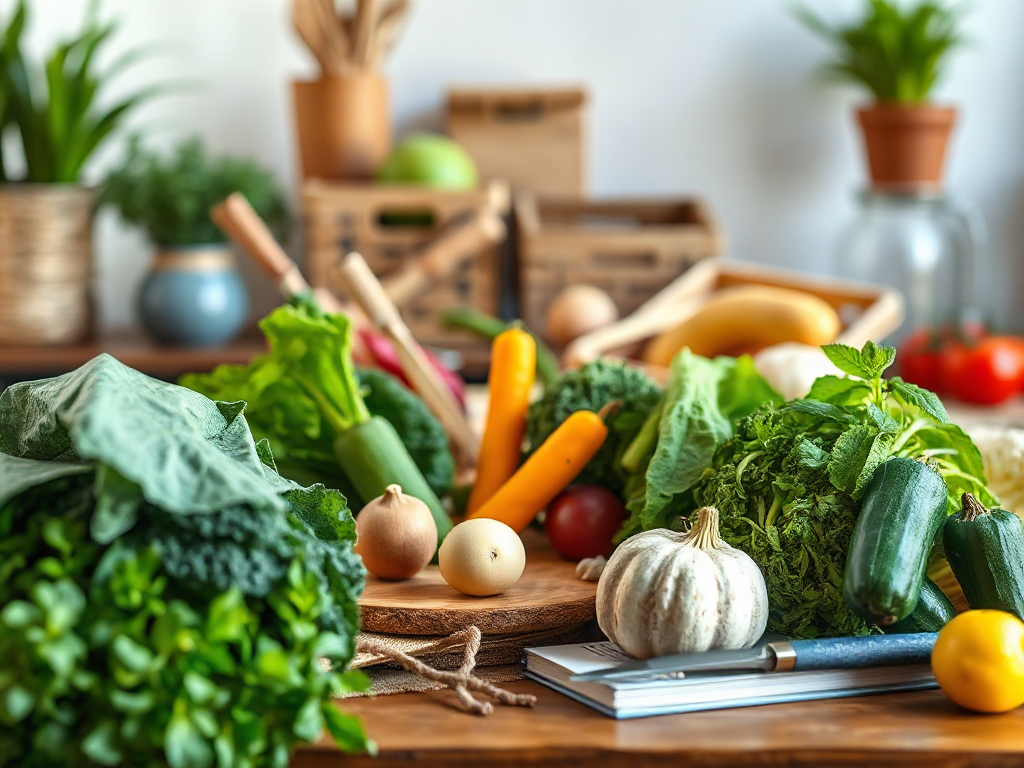
Sourcing organic ingredients for recipes presents several challenges, primarily due to supply chain constraints and quality control issues. Seasonal availability can limit access to certain organic products, resulting in higher costs and potential recipe alterations. Furthermore, the inconsistency in quality among different suppliers complicates the sourcing process, as organic standards can vary significantly. To address these challenges, it is crucial to build strong relationships with reliable suppliers and stay updated on market trends. This proactive approach can help mitigate supply fluctuations and ensure the quality of ingredients used in recipes.
Understanding Supply Chain Constraints
Sourcing organic ingredients presents significant supply chain challenges that can affect availability and pricing. Organic farming often relies on specific seasonal cycles, which can lead to shortages during off-peak seasons. For instance, certain fruits and vegetables may only be available during specific months, limiting options for recipe planning. Additionally, organic ingredients may be sourced from various regions, which can complicate logistics and transportation, leading to delays and increased costs.
Moreover, the rise in demand for organic products has strained existing supply chains. Many farmers are transitioning to organic practices, but this process takes time and investment. As a result, the availability of certified organic ingredients may not meet the growing consumer demand, causing fluctuations in supply and price volatility. Understanding these supply chain dynamics is crucial for anyone looking to source organic ingredients effectively.
Quality Control Challenges in Organic Sourcing
Quality control is another significant challenge when sourcing organic ingredients. Unlike conventional products, organic ingredients must adhere to strict regulations regarding pesticide use, soil management, and crop rotation. However, the interpretation and enforcement of these standards can vary widely among suppliers. This inconsistency can lead to discrepancies in quality, making it difficult for chefs and home cooks to maintain the desired standards in their recipes.
Additionally, the lack of transparency in the organic certification process can complicate sourcing efforts. Some suppliers may misrepresent their products as organic without proper certification. To mitigate these risks, it’s essential to establish strong relationships with trusted suppliers and conduct regular quality checks. This practice ensures that the ingredients meet the required organic standards and are suitable for culinary use.
Strategies for Effective Sourcing
To navigate the challenges of sourcing organic ingredients, several strategies can be implemented. First, building direct relationships with local farmers and producers can enhance supply chain reliability. By sourcing ingredients locally, cooks can better understand the growing practices and ensure the freshness of the products. Farmers’ markets or local co-ops are excellent places to establish these connections.
Another effective strategy is to stay informed about seasonal availability and plan recipes accordingly. Utilizing a seasonal calendar can help chefs and home cooks align their menus with what’s available organically, reducing reliance on hard-to-source ingredients. Additionally, considering alternative suppliers or substitutes can provide flexibility when certain ingredients are unavailable, ensuring that recipes remain viable without compromising quality.
Common Mistakes to Avoid
One common mistake when sourcing organic ingredients is failing to verify supplier certifications. Always request documentation that proves the organic status of ingredients to avoid potential issues with quality and compliance. Another mistake is not diversifying suppliers; relying on a single source can lead to significant risks if that supplier faces operational challenges.
Additionally, underestimating the impact of seasonality on ingredient availability can disrupt recipe planning. It’s crucial to stay ahead of seasonal changes and adjust sourcing strategies accordingly. Lastly, neglecting to maintain open communication with suppliers can lead to misunderstandings regarding availability and quality, ultimately affecting the end product.
Frequently Asked Questions
What are the main challenges in sourcing organic ingredients?
The main challenges include supply chain constraints due to seasonal availability, price fluctuations, and varying quality control standards among suppliers.
How can I ensure the quality of organic ingredients?
To ensure quality, establish relationships with trusted suppliers, verify certifications, and conduct regular quality checks of the ingredients.
Why is seasonality important in organic sourcing?
Seasonality affects the availability of organic ingredients, impacting recipe planning and sourcing strategies, making it essential to align menus with seasonal produce.
What mistakes should I avoid when sourcing organic ingredients?
Avoid failing to verify supplier certifications, relying on a single supplier, underestimating seasonality, and neglecting communication with suppliers.
How can I build relationships with local organic suppliers?
Engage with local farmers’ markets, co-ops, and agricultural events to connect with local producers and establish direct sourcing relationships.
Conclusion
Successfully sourcing organic ingredients requires an understanding of the unique challenges posed by supply chains and quality control. By building strong relationships with local suppliers, staying informed about seasonal availability, and verifying certifications, cooks can navigate these challenges effectively. Prioritizing these strategies not only enhances the quality of recipes but also supports sustainable practices within the food industry.