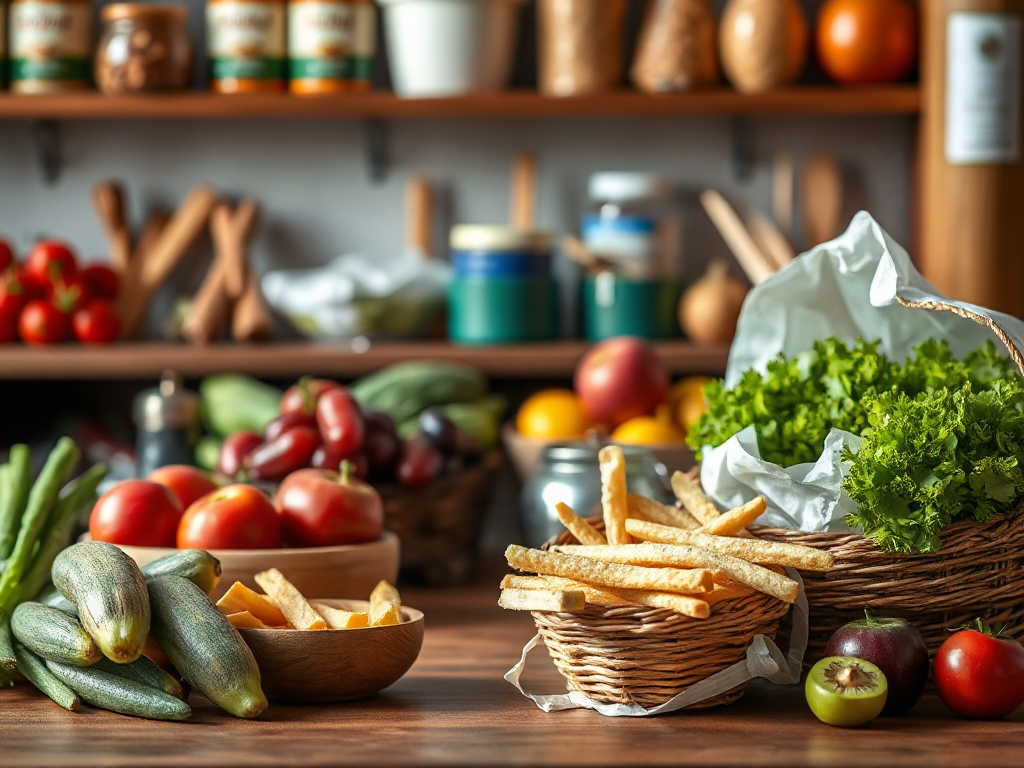
Organic processed foods can have several downsides that consumers should be aware of. Although these products are marketed as healthier options, they may contain added sugars, unhealthy fats, and preservatives that diminish their nutritional value. Additionally, the processing methods can lead to a loss of essential nutrients, making these foods less beneficial than whole, unprocessed alternatives. To make informed choices, it is advisable for consumers to scrutinize labels carefully and prioritize fresh, whole foods over processed options, even if they are organic. This approach can help ensure a more balanced and nutritious diet.
Understanding Organic Processed Foods
Organic processed foods are products that contain organic ingredients but undergo significant processing. This processing can involve techniques such as pasteurization, freezing, or adding preservatives to enhance shelf life. While these foods are often perceived as healthier alternatives to conventional options, the processing can diminish their nutritional value. Understanding the extent of processing and the ingredients used is crucial for making informed dietary choices.
For example, organic chips may be made from organic potatoes and oils, but they can still be high in salt and fats. Consumers should be aware that organic does not always equate to a healthier product.
Nutritional Considerations
One significant downside of organic processed foods is the potential loss of nutrients. The processing methods can strip away vitamins and minerals that are naturally present in whole foods. For instance, a frozen organic vegetable may lose some of its nutrients during blanching and freezing compared to fresh vegetables. This nutrient loss can lead consumers to believe they are making healthier choices when, in reality, they may be consuming products with diminished health benefits.
Moreover, many organic processed foods contain added sugars, fats, or sodium to enhance flavor, which can counteract their health benefits. It is essential for consumers to read labels carefully and consider whether the convenience of processed foods outweighs the potential nutritional drawbacks.
Cost Implications
Organic processed foods often come with a higher price tag compared to their conventional counterparts. This increased cost can be a significant downside, especially for families on a budget. The premium pricing is typically attributed to the organic farming practices and certification processes involved.
When evaluating whether to purchase organic processed foods, consumers should weigh the benefits against their financial constraints. buying whole organic foods, such as fruits and vegetables, can provide better nutritional value for the price. Prioritizing fresh produce over processed items may lead to a more balanced diet and better overall health.
Health Claims and Misleading Marketing
Another critical issue is the health claims often associated with organic processed foods. Marketing strategies can create a perception that these products are inherently healthier, which may not always be the case. Terms like “natural” or “no artificial ingredients” can mislead consumers into thinking they are making healthier choices.
For example, a snack labeled as organic may still contain high levels of sugar or unhealthy fats. It is vital for consumers to approach these claims with skepticism and to conduct their own research into the ingredients and nutritional content of products. Understanding the difference between organic and processed is key to making informed decisions.
Frequently Asked Questions
Are organic processed foods healthier than regular processed foods?
While organic processed foods avoid synthetic pesticides and fertilizers, they can still contain unhealthy additives like sugars and preservatives, making them not necessarily healthier than conventional options.
What should I look for when buying organic processed foods?
Check the ingredient list for added sugars, unhealthy fats, and sodium levels. Prioritize products with minimal ingredients and those that retain nutritional value.
Do organic processed foods cost more than conventional ones?
Yes, organic processed foods typically have a higher price due to organic farming practices, which can be a consideration for budget-conscious consumers.
How can I ensure I'm making healthy choices with organic processed foods?
Read labels carefully, focus on whole organic foods, and be cautious of marketing claims that may not reflect the true nutritional content.
Is all organic food free from pesticides?
Organic food is grown without synthetic pesticides, but it may still contain natural pesticides. Understanding the specific practices of brands is important.
Conclusion
Choosing organic processed foods can present both benefits and downsides. While they often avoid harmful chemicals, their nutritional value may be compromised through processing. Additionally, higher costs and misleading marketing claims can complicate decision-making. Prioritizing whole foods and critically evaluating labels can lead to healthier choices that align better with one’s dietary goals.