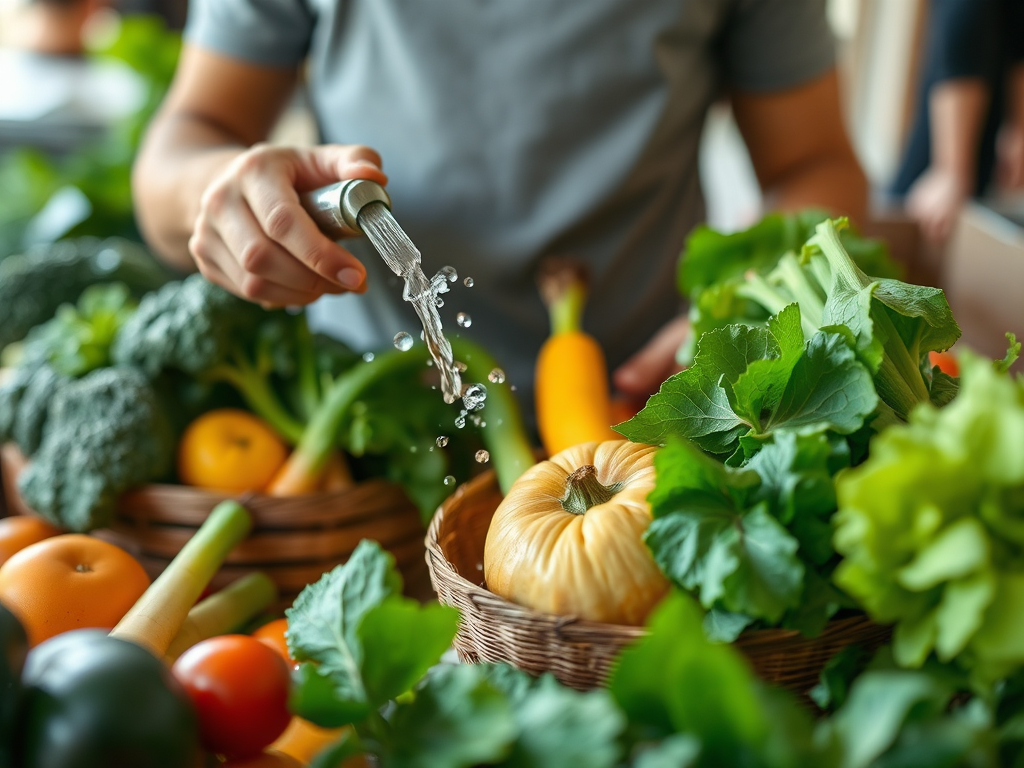
Not washing organic produce can lead to significant health risks, including exposure to harmful bacteria like E. coli and Salmonella, which are often found on the surface of unwashed fruits and vegetables. These pathogens can cause severe foodborne illnesses, making it essential to wash all produce thoroughly before consumption. Additionally, while organic farming reduces synthetic pesticide use, residues from organic-approved pesticides can still be present. To minimize these risks, consumers should wash organic produce under running water, using a brush for firm-skinned fruits and vegetables, ensuring a safer and healthier eating experience.
Understanding the Risks of Unwashed Produce
Failing to wash organic produce can expose consumers to various health risks, primarily due to the presence of harmful microorganisms and chemicals. While organic farming practices minimize synthetic pesticide use, they do not eliminate the risk of contamination. Fruits and vegetables can still carry pathogens from the soil, water, or handling during harvesting and transportation.
For instance, bacteria such as E. coli and Salmonella can thrive on the surface of unwashed produce, leading to foodborne illnesses. The Centers for Disease Control and Prevention (CDC) report thousands of illnesses each year linked to contaminated fruits and vegetables. Washing organic produce helps remove these harmful agents, significantly reducing the risk of contracting a foodborne illness.
Common Contaminants Found on Organic Produce
Organic produce can harbor various contaminants, including soil, bacteria, and residual pesticides. Even though organic farming aims to limit synthetic chemicals, it is not free from potential contaminants. Soil can contain harmful bacteria and parasites that may cling to the surface of fruits and vegetables.
Moreover, organic produce may sometimes be treated with organic-approved pesticides, which, although less harmful than conventional pesticides, can still pose health risks if ingested in significant quantities. For example, studies have shown that washing produce can effectively reduce pesticide residues, making it safer to consume. Understanding these contaminants is crucial for consumers aiming to maintain a healthy diet.
Best Practices for Washing Organic Produce
To ensure the safety of organic produce, it’s essential to follow best practices for washing. Start by rinsing fruits and vegetables under cool running water. For leafy greens, separate the leaves and rinse them thoroughly to remove any hidden contaminants. Using a produce brush can be beneficial for firmer produce like potatoes or cucumbers.
Additionally, avoid using soap or bleach, as these substances can leave harmful residues. Instead, consider using a vinegar solution as a natural disinfectant. A mixture of one part vinegar to three parts water can help eliminate bacteria without harmful effects. Always dry produce with a clean cloth or paper towel after washing, as this can further reduce any remaining contaminants.
Real-World Implications of Eating Unwashed Produce
Eating unwashed organic produce can have severe implications for health. Foodborne illnesses can lead to symptoms such as nausea, vomiting, diarrhea, and in severe cases, hospitalization. Vulnerable populations, including pregnant women, young children, and individuals with weakened immune systems, are at higher risk of complications from these illnesses.
Moreover, the long-term consequences of repeated exposure to contaminants can lead to chronic health issues. For instance, some bacteria can produce toxins that cause prolonged gastrointestinal distress. Consumers should prioritize washing organic produce to mitigate these risks and ensure a safe eating experience.
Frequently Asked Questions
What happens if I don't wash my organic produce?
Not washing organic produce can lead to exposure to harmful bacteria and contaminants, increasing the risk of foodborne illnesses.
Are organic fruits and vegetables free from pesticides?
While organic produce uses fewer synthetic pesticides, they can still carry residues from organic-approved pesticides and other contaminants.
How should I wash leafy greens?
Separate the leaves and rinse them thoroughly under cool running water, gently rubbing to remove dirt and contaminants.
Can I use soap to wash my produce?
No, using soap can leave harmful residues; instead, rinse with water or use a vinegar solution for added safety.
What are the symptoms of foodborne illness?
Symptoms can include nausea, vomiting, diarrhea, and abdominal cramps, which can lead to dehydration and require medical attention.
Conclusion
Washing organic produce is essential to mitigate the health risks associated with contaminants and pathogens. By adopting proper washing techniques, consumers can significantly reduce the likelihood of foodborne illnesses and enjoy a safer eating experience. Prioritizing these practices not only protects individual health but also contributes to a more informed approach to food safety.