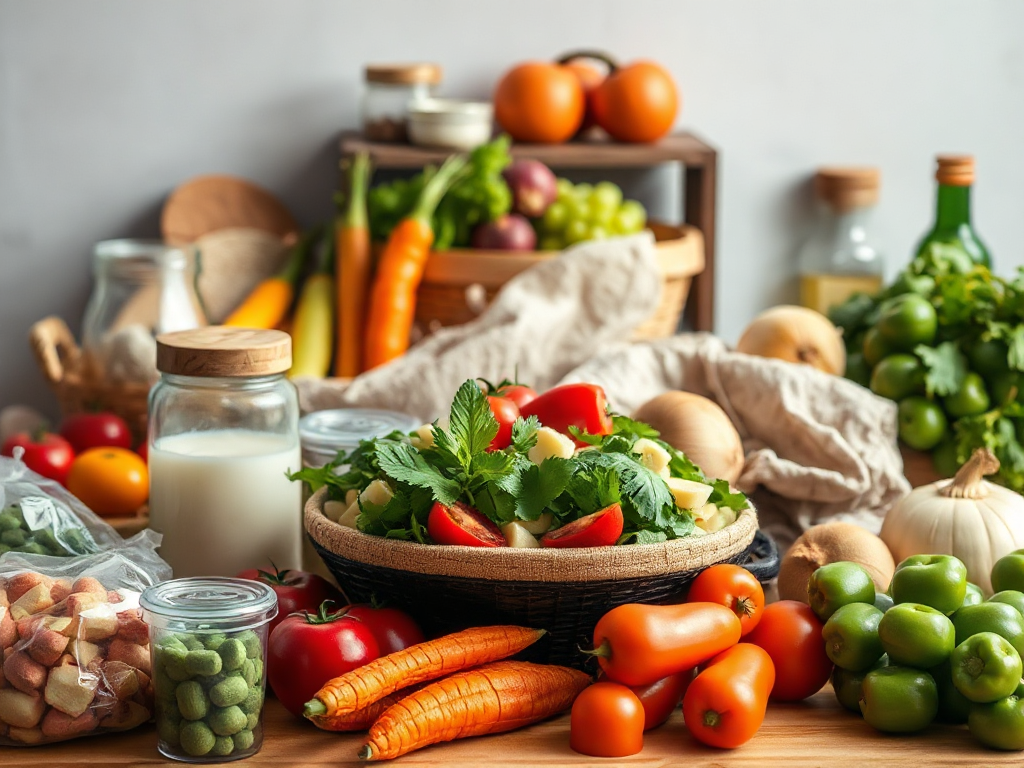
The storage of organic food greatly affects its freshness, with improper conditions leading to quicker spoilage and nutrient degradation. To maintain optimal freshness, store organic produce in cool, dark, and dry environments, as exposure to light and high humidity can accelerate decay. For instance, leafy greens should be kept in breathable bags to prevent wilting, while root vegetables like potatoes thrive in dark, dry spaces to avoid sprouting. Additionally, overcrowding storage containers can restrict air circulation, further compromising the quality of organic foods.
Understanding Organic Food Freshness
Organic food freshness is crucial for maintaining nutritional value and flavor. Unlike conventional produce, organic foods are grown without synthetic pesticides or fertilizers, making them more susceptible to spoilage. Freshness can be influenced by various factors, including the time between harvest and consumption, and the methods used for storage. Understanding these factors is essential for both consumers and retailers to ensure that organic foods remain safe and nutritious.
When organic foods are stored improperly, they can lose their freshness quickly. For instance, leafy greens can wilt and lose their crispness, while fruits may become overly ripe or develop mold. Therefore, recognizing the signs of freshness and understanding how storage affects it can help optimize the shelf life of organic foods.
Optimal Storage Conditions for Organic Foods
To preserve the freshness of organic foods, specific storage conditions should be maintained. Generally, organic products should be stored in a cool, dark place away from direct sunlight. Refrigeration can extend the life of perishable items like fruits and vegetables, but it’s important to note that not all organic foods require refrigeration. For example, potatoes and onions should be kept in a dry and dark environment to prevent sprouting and spoilage.
Humidity control is another crucial aspect of storage. High humidity can lead to mold growth, while low humidity can cause produce to dry out. Utilizing breathable storage bags or containers can help regulate moisture while allowing airflow. Additionally, it’s essential to keep organic foods separate from items that emit ethylene gas, like bananas and avocados, as this can accelerate ripening and spoilage.
Common Mistakes in Storing Organic Foods
Many consumers unknowingly make mistakes when storing organic foods that can lead to reduced freshness. One common error is overcrowding storage spaces, which can restrict airflow and create a humid environment conducive to spoilage. It’s important to allow space between items to promote air circulation.
Another mistake is failing to clean storage areas regularly. Residue from previous items can contaminate new produce, leading to accelerated spoilage. Additionally, consumers often overlook the importance of checking expiration dates and freshness indicators, leading to the consumption of spoiled food. Proper labeling and regular inventory checks can help mitigate this issue.
Impacts of Temperature and Humidity
Temperature and humidity play a pivotal role in the freshness of organic foods. Most organic fruits and vegetables thrive at temperatures between 32°F and 40°F (0°C to 4°C). Storing them outside of this range can cause them to spoil more rapidly. For instance, storing tomatoes in the refrigerator can alter their taste and texture, while leaving them at room temperature can hasten spoilage.
Humidity levels also affect freshness. A relative humidity level of around 90% is ideal for leafy greens to maintain their crispness, while lower humidity levels are better for root vegetables. Monitoring and adjusting these conditions can significantly improve the lifespan of organic foods, ensuring they remain fresh and nutritious for longer periods.
Frequently Asked Questions
How should I store organic fruits and vegetables?
Organic fruits and vegetables should be stored in a cool, dark place, with refrigeration for perishable items. Use breathable bags to maintain humidity and air circulation.
What are the signs of spoiled organic food?
Signs of spoilage include discoloration, unusual odors, mold, and a mushy texture. Always check for freshness before consumption.
Can I freeze organic foods to extend their freshness?
Yes, freezing can extend the freshness of many organic foods. Be sure to blanch vegetables before freezing to preserve texture and nutrients.
What is the best way to store herbs?
Fresh herbs can be stored in the refrigerator wrapped in a damp paper towel or in a jar with water like a bouquet. This helps maintain freshness and flavor.
Should all organic foods be refrigerated?
No, not all organic foods require refrigeration. Foods like potatoes, onions, and garlic should be stored in a cool, dark, and dry place instead.
Conclusion
Storing organic foods properly is essential to maintaining their freshness and nutritional value. By understanding the optimal conditions, avoiding common mistakes, and paying attention to temperature and humidity, consumers can ensure that their organic produce remains fresh for as long as possible. Regular checks and mindful storage practices will not only enhance the eating experience but also reduce food waste.