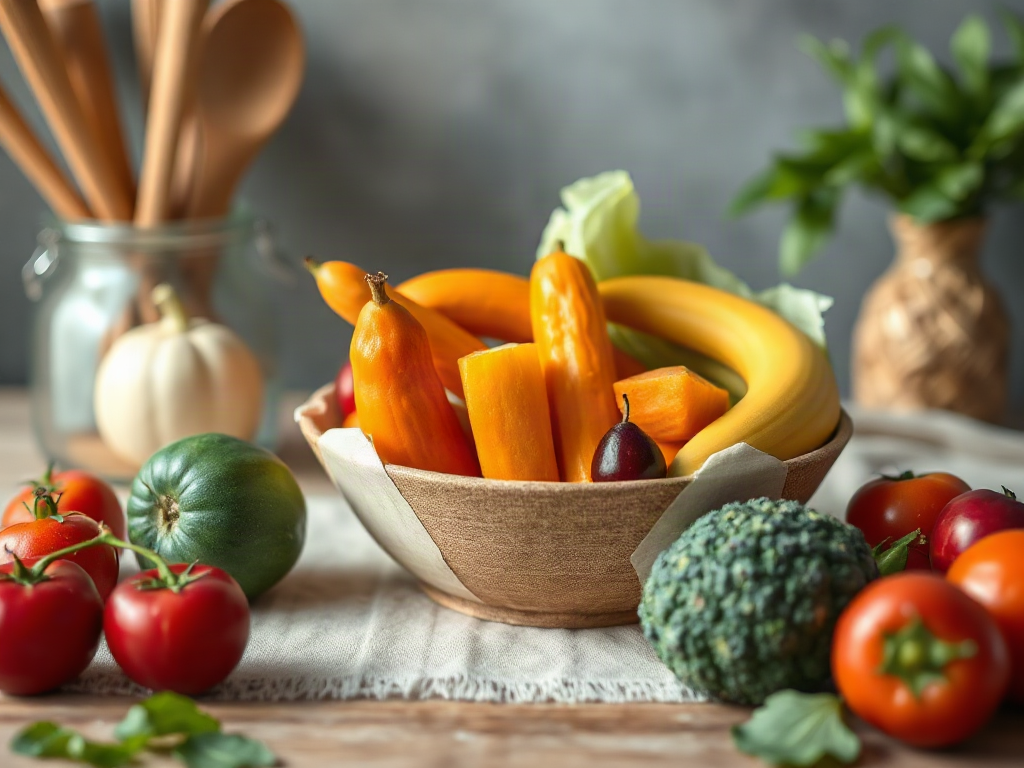
Why Appetite Loss Changes Produce Choices
Appetite loss changes the practical value of a food. A large raw salad may contain useful nutrients, yet its volume, chewing demand, and relatively low calorie density can make it difficult to finish. Someone eating only a few bites needs those bites to provide more than bulk. Fruit and vegetable nutrition for appetite loss should therefore be judged by tolerance, nutrient density, texture, and whether the food can be combined with enough energy and protein.
Appetite may decline because of medication effects, nausea, pain, constipation, infection, altered taste, stress, depression, dental problems, or an underlying illness. Produce does not treat those causes. It can, however, offer gentle options while the cause is being assessed. Ripe melon, a banana, cooked carrots, or a smooth soup may be more manageable than fibrous raw vegetables when chewing or digestion is difficult.
A common mistake is treating “healthy” as synonymous with “filling.” High-fiber produce can create fullness quickly, especially when eaten in a large portion, while watery fruits and vegetables may supply fewer calories than a person with poor intake needs. The better approach is to use modest portions and pair produce with yogurt, tofu, eggs, beans, cheese, nut butter, olive oil, or another tolerated food. A smoothie made with fruit and yogurt has a different nutritional role from fruit juice alone: it can provide protein and more staying power without requiring extensive chewing.
Use the fruit and vegetable nutrition for appetite loss topic as a decision lens rather than a rigid food list. If a food causes bloating, pain, coughing, or early fullness, its nutritional reputation does not make it the right choice today.
Fruit and Vegetable Options That Pack Nutrition Into Small Servings
Soft fruits and cooked vegetables are often the easiest starting points because they reduce chewing and can be served in small amounts. Bananas, ripe pears, peaches, mango, melon, applesauce, and stewed fruit offer different combinations of carbohydrate, water, potassium, and other micronutrients. Avocado is unusually energy-dense for a fruit and can be mashed onto toast, stirred into a soft grain bowl, or blended with yogurt. Portion size still matters: a small serving that is finished may be more useful than a large serving left untouched.
Vegetables become more practical when steaming, roasting, simmering, or pressure-cooking softens their structure. Carrots, squash, sweet potatoes, pumpkin, green beans, peeled zucchini, and tender spinach can be folded into soups, mashed dishes, or egg-based meals. Blending may help someone with fatigue or dental discomfort, but it does not automatically make a meal complete. A blended vegetable soup may need beans, lentils, silken tofu, milk, or a side of bread to provide more protein and energy.
Frozen and canned options can be useful when shopping or preparation is difficult. Frozen fruit and vegetables often require little chopping, while canned produce can be convenient when it is soft and ready to eat. Choose versions without added sugar when appropriate, and rinse canned vegetables if sodium is a concern. Fresh is not always superior if it spoils before it is used or demands more preparation than the person can manage.
Juice deserves a narrower role. It may be easier to drink than to chew, but it generally provides less fiber and may be less satisfying than whole fruit. For someone struggling to consume enough, a small amount can be incorporated into a smoothie, but relying on juice as the main produce source leaves fewer opportunities for texture, fiber, and accompanying nutrients. A practical shortlist includes:
- Mashed avocado with toast, cottage cheese, or a soft egg.
- Banana blended with yogurt, milk, or a tolerated non-dairy alternative.
- Pureed pumpkin or squash added to soup, oatmeal, or a soft grain.
- Cooked spinach mixed into eggs, beans, or a creamy grain dish.
These combinations matter because produce alone may not meet nutritional needs during prolonged appetite loss. The nutrition planning options for appetite loss should preserve variety without allowing fiber or volume to crowd out the rest of the meal.
Texture, Preparation, and Meal Timing
Texture can determine whether a nutritious food is actually eaten. Raw celery, salad greens, apple peel, and broccoli stems require more chewing and may be poorly tolerated by someone with mouth soreness, dental problems, fatigue, nausea, or swallowing concerns. Steaming, peeling, chopping finely, stewing, or blending changes the effort required without necessarily removing the food’s nutritional value. The safest texture depends on the person; coughing or choking during meals is not a problem to solve by trial and error.
Temperature and smell also influence appetite. Cold fruit, chilled yogurt smoothies, or a cool applesauce may be more acceptable when cooking odors trigger nausea. In another situation, a warm broth-based vegetable soup may be easier to tolerate than a cold meal. Strong spices can improve taste for some people but worsen nausea or mouth irritation for others. Small experiments are more useful than assuming one preparation works universally.
Meal timing should follow the person’s best appetite window rather than a strict large-meal schedule. Three small meals plus two or three snacks may be easier than breakfast, lunch, and dinner with large portions. A snack of banana with nut butter, avocado with crackers, or yogurt blended with berries can deliver produce without asking the person to face a full plate. Drinking large amounts immediately before eating may increase fullness, although hydration should not be deliberately restricted.
One weak assumption is that more fiber is always better during appetite loss. Fiber supports bowel health, but a sudden increase from raw produce, bran, beans, and large smoothies may worsen bloating or early fullness. Increase fiber gradually and notice whether symptoms improve or worsen. If constipation contributes to poor appetite, fluids and gentle activity may matter, but persistent constipation, vomiting, severe abdominal pain, or inability to keep fluids down requires professional assessment rather than more produce.
Try one change at a time for a day or two: soften the texture, reduce the portion, change the temperature, or pair the food with protein. Record what was eaten, symptoms, and the time of day. That simple pattern can reveal whether the barrier is smell, chewing, fullness, nausea, or a particular ingredient.
Building Balanced Mini-Meals and Recognizing Warning Signs
A balanced mini-meal combines a manageable produce portion with an energy source and, when possible, protein. This structure prevents the common error of serving a large bowl of fruit or vegetables as if volume alone will restore intake. Examples include oatmeal with mashed banana and nut butter, a small lentil and pumpkin soup with bread, yogurt with soft berries and granola if tolerated, or scrambled eggs with cooked spinach and avocado.
The best combination depends on symptoms and dietary restrictions. A person with nausea may prefer plain foods and small sips before trying richer pairings. Someone with difficulty chewing may need smooth or minced textures. A person managing kidney disease, diabetes, food allergies, or prescribed dietary limits should obtain individualized advice before substantially changing fruit, vegetable, potassium, carbohydrate, or fluid intake. Broad nutrition advice cannot replace a plan based on medical history.
Use this compact priority order:
- Address immediate tolerance: swallowing, nausea, pain, chewing, and hydration.
- Select a soft fruit or cooked vegetable in a portion the person can finish.
- Add protein and energy rather than serving produce by itself.
- Offer food during the most receptive part of the day.
- Expand variety only after intake is becoming steadier.
Signs the approach is working include finishing more of each serving, fewer unpleasant symptoms, better fluid intake, and gradually greater food variety. Signs it is failing include continued weight loss, repeated vomiting, worsening weakness, confusion, very dark urine, dizziness, inability to swallow safely, or eating almost nothing. Appetite loss that persists or accompanies unintentional weight loss should be discussed with a clinician because the underlying cause may need treatment. A dietitian can also adjust texture, calorie density, fiber, and nutrient targets without abandoning foods the person can tolerate.
Do not force a disliked food because it is nutrient-rich. Repeated pressure can make meals more stressful and may reduce intake further. Offer alternatives with similar roles: avocado instead of a large salad for energy density, cooked squash instead of raw vegetables for softness, or a smoothie instead of whole fruit when chewing is exhausting. The practical produce choices for appetite loss should remain flexible, symptom-aware, and focused on food that is actually consumed.
Frequently Asked Questions
What fruits are easiest to eat with low appetite?
Ripe bananas, melon, peaches, mango, applesauce, and stewed pears are often manageable because they are soft and require little chewing. Choose the texture and portion that causes the fewest symptoms.
Should vegetables be raw or cooked during appetite loss?
Cooked vegetables are often easier when chewing, fatigue, nausea, or bloating is present. Raw produce can remain appropriate if it is tolerated and does not create excessive fullness.
Can smoothies replace meals?
A smoothie can serve as a mini-meal when it includes more than fruit, such as yogurt, milk, tofu, nut butter, or another protein and energy source. Fruit juice alone is usually less complete.
Can too much produce worsen poor appetite?
Yes. Large portions, high fiber, and high water content can cause early fullness or bloating. Smaller servings paired with protein and energy may be more practical.
When should appetite loss be medically evaluated?
Seek medical advice for persistent appetite loss, unintentional weight loss, dehydration, repeated vomiting, severe pain, confusion, or difficulty swallowing. These signs may reflect a condition that food changes alone cannot address.
Conclusion
Produce can remain part of eating during appetite loss, but usefulness depends on what the person can comfortably finish. Begin with soft fruit, tender or blended vegetables, modest portions, and the time of day when appetite is strongest. Pair produce with protein and energy so a small serving does not displace the rest of the meal. Change texture, temperature, and preparation before assuming a food is unacceptable, and increase fiber gradually if bloating or early fullness occurs. Persistent symptoms, dehydration, swallowing problems, or unintended weight loss deserve medical attention. A flexible plan built around tolerance and balanced mini-meals is more realistic than insisting on large salads, raw snacks, or juice as a complete solution.