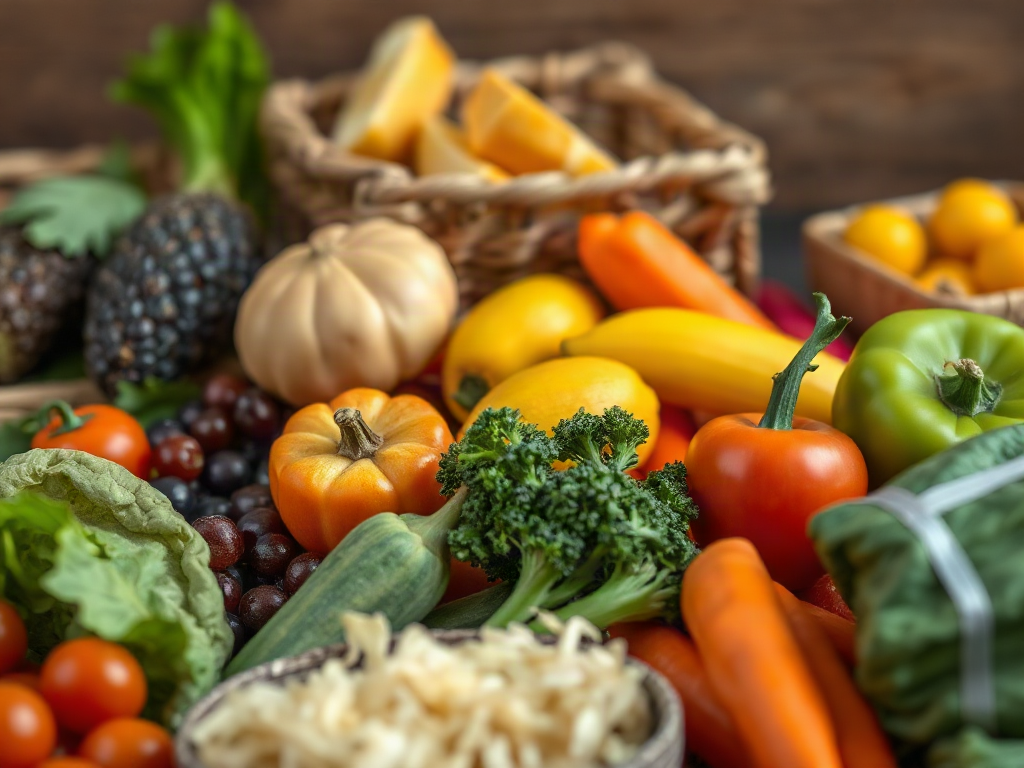
Organic produce choices for older adults with chewing difficulty should emphasize naturally soft foods and produce softened by steaming, roasting, stewing, or blending, while preserving useful nutrients and manageable textures. Ripe bananas, avocado, applesauce, cooked squash, tender green beans, peeled peaches, and well-cooked carrots are often easier than raw apples, celery, firm carrots, or thick leafy salads. Cutting food into small pieces does not make hard or fibrous produce safe to chew, so texture testing matters more than organic labeling. Introduce one preparation change at a time, offer moisture through yogurt, broth, or unsweetened sauce, and involve a dentist, clinician, or speech-language pathologist if coughing, choking, pocketing food, pain, or unexplained weight loss occurs.
How Chewing Difficulty Changes Produce Decisions
Chewing difficulty changes the priority from choosing produce by appearance or freshness alone to judging texture, moisture, fiber, and the effort needed to break food down. An older adult may tolerate a soft ripe pear but struggle with the same fruit when it is underripe and crisp. Dental pain, missing teeth, poorly fitting dentures, dry mouth, reduced jaw strength, or a swallowing problem can each alter what feels manageable.
Texture matters because tough skins, stringy fibers, seeds, and dry pieces may remain in the mouth after a bite seems small. Raw celery, cabbage slaw, firm apple wedges, and whole grape skins can demand more chewing than expected. Chopping them finely may reduce piece size without removing the resistance. By contrast, cooking can break down plant structure, and blending can create a uniform consistency, although a thin liquid may still be difficult for someone with swallowing impairment.
A useful first check is to ask what happens during and after eating. Does the person chew for a long time, avoid certain foods, keep food in the cheeks, cough, or report that food feels stuck? Those observations are more useful than assuming that all soft produce is automatically safe. The related organic produce choices for older adults chewing difficulty should be matched to the person’s actual eating pattern rather than to a generic soft-food list.
A common mistake is treating organic certification as a texture solution. Organic status concerns production standards; it does not make a raw carrot tender or a fruit easier to swallow. Choose organic when it fits the household’s preferences and budget, but use peeling, cooking, mashing, and moisture adjustment to address chewing demands.
Organic Produce Textures That Are Easier to Manage
Naturally soft or easily softened produce usually offers the best starting point. Ripe bananas, avocado, seedless watermelon, very ripe peaches or nectarines with the skin removed, canned fruit packed in water, applesauce, and ripe mango can work well when portions are small and the texture is moist. Soft fruit still needs inspection: fibrous mango strands, peach skin, pineapple, and large grapes may create more work than their softness suggests.
For vegetables, cooked winter squash, pumpkin, sweet potato, peeled zucchini, eggplant, well-cooked spinach, and tender green beans are practical options. Carrots and broccoli may be suitable after steaming until they mash easily, but lightly cooked vegetables that remain crisp can be frustrating or unsafe for someone with limited chewing ability. A fork should provide a meaningful test: the food should yield readily rather than skid across the plate or require repeated force.
Produce that commonly needs modification includes apples, pears, cucumber, tomatoes with tough skins, corn, raw bell pepper, leafy greens, and berries with many seeds. Stewing apples and pears, peeling cucumber, removing tomato skins and seeds when needed, and finely chopping cooked greens can make meals more manageable. Corn kernels may remain chewy even after cooking, so creamed corn or pureed corn may be a better choice for some people.
These choices should not become an unnecessarily narrow diet. Raw produce can provide crunch and variety for an adult who chews comfortably, while a person with pain or fatigue may need softer forms. The practical goal is not to eliminate every firm food without assessment; it is to preserve variety while removing the textures that cause trouble. A small serving of warm squash with mashed beans may be more useful than a raw salad that gets left untouched.
Watch for the common misconception that organic frozen produce is inferior to fresh produce. Frozen peas, chopped spinach, squash, and fruit can be convenient and consistent, and cooking may make them easier to manage. The deciding questions are texture, moisture, preparation, and whether the finished food is eaten, not whether it came from the fresh aisle.
Preparation Methods That Soften Without Losing Appeal
Steaming, simmering, roasting with moisture, braising, and pressure cooking can turn firm produce into food that breaks apart with little chewing. Steaming broccoli until the stems are tender, simmering peeled apples with a small amount of water, or roasting squash until it mashes easily changes the plant structure without requiring a complicated recipe. Cooking time should be guided by texture rather than a fixed clock because cut size and the produce’s maturity vary.
Blending and mashing are useful when chewing fatigue is pronounced, but uniform texture is only part of the decision. A thick vegetable puree may be easier to control than a watery soup, while a smoothie containing fibrous greens, seeds, or dry protein powder may be difficult for some people. Straining can remove seeds and strings, but it may also remove some pulp and reduce the meal’s substance. Adding yogurt, smooth nut butter when appropriate, beans, or a fortified ingredient can make a puree more filling, but allergies, medication interactions, and individual nutrition needs still matter.
Moisture improves comfort for many people with dry mouth or reduced chewing efficiency. Try unsweetened applesauce over cooked oatmeal, mashed avocado with soft beans, pureed vegetables stirred into soup, or tender fruit with plain yogurt. Avoid assuming that extra liquid always helps: coughing with thin drinks or a wet voice after swallowing may point to a swallowing concern that needs professional evaluation rather than more beverages.
A simple preparation sequence keeps the kitchen practical:
- Remove pits, tough skins, strings, seeds, and woody stems when they interfere with chewing.
- Cook until the produce yields easily to a fork, then cool it to a comfortable temperature.
- Cut or mash after cooking so the final texture can be judged accurately.
- Add moisture gradually and check whether the food remains cohesive rather than watery.
- Offer a small test portion before preparing a full meal.
Overcooking can create an unappealing smell, watery vegetables, or nutrient losses in cooking water, while undercooking leaves the original texture problem in place. The better compromise is often gentle cooking followed by immediate serving, with the cooking liquid incorporated into a puree or soup when appropriate. Texture-focused produce planning can also reduce food waste by using ripe fruit for compotes and slightly tired vegetables for soups instead of discarding them.
Building Meals and Recognizing When Help Is Needed
Soft produce works best when it is part of a complete meal rather than served as an isolated substitute for a salad. Pair mashed sweet potato with tender fish or beans, blend cooked vegetables into a lentil soup, or serve soft peaches with cottage cheese if dairy is tolerated. Combining produce with protein and a calorie source can make a small portion more satisfying, especially when chewing takes effort and appetite is limited.
Meal temperature and portion size can influence success. Small, moist bites may be easier than a large bowl of mixed textures. A plate containing crunchy raw vegetables, dry toast, and slippery fruit may be harder to manage than a meal with one consistent, soft texture. Some adults prefer foods kept separate because mixed textures are confusing; others find a sauce helpful. Ask the eater rather than assuming that a puree is automatically more appealing.
Signs that a texture plan is working include shorter chewing time, less food left in the mouth, improved willingness to eat, and no coughing or distress during meals. Signs that the approach is failing include repeated throat clearing, coughing, choking, food pocketing, a gurgly or wet voice, pain, fatigue, or ongoing weight loss. Those symptoms should not be managed solely by switching to organic or softer produce. A dentist can assess oral pain and dentures, while a clinician or speech-language pathologist can evaluate chewing and swallowing concerns.
Caregivers should avoid rushing, insisting on a food that causes pain, or disguising difficult textures without the person’s knowledge. A food diary can record the produce, preparation, texture, symptoms, and amount eaten, giving a healthcare professional useful information. It may also reveal a simple pattern, such as difficulty with skins, dry foods, or mixed dishes rather than all fruits and vegetables.
Food safety remains relevant when meals are softened in advance. Refrigerate prepared produce promptly, use clean utensils, and discard food that has been repeatedly exposed to the mouth. Canned and frozen choices can be practical, but check added sugar or sodium when those nutrients matter. Organic selection may be worthwhile within the household budget, yet a conventionally grown vegetable that is cooked and eaten is generally more useful than an organic item that remains too hard or is discarded.
For personalized texture recommendations, consult a dentist, registered dietitian, clinician, or speech-language pathologist. Official nutrition and food-safety information from the USDA and NIH can complement, but not replace, individualized assessment when chewing or swallowing symptoms are present.
Frequently Asked Questions
Which organic fruits are usually easiest to chew?
Ripe bananas, avocado, applesauce, soft canned peaches, ripe mango, and seedless watermelon are often easier than crisp apples or fibrous pineapple. Remove skins, pits, and seeds when they create difficulty.
Are raw vegetables appropriate for an older adult with chewing difficulty?
Some people can manage finely cut raw vegetables, but cooking is usually more reliable for firm or fibrous produce. Test a small portion and stop if chewing causes pain, fatigue, coughing, or food pocketing.
Does buying organic make produce safer to chew?
No. Organic labeling does not determine firmness, fiber, skin toughness, or swallowing suitability. Preparation and texture should guide the decision, with organic purchasing treated as a separate preference.
How can produce be softened without making every meal a puree?
Try peeling, stewing, steaming, braising, or finely chopping cooked produce. Soft fruit with yogurt, mashed vegetables, and tender vegetable soups can preserve recognizable flavors and shapes.
When should chewing difficulty be evaluated by a professional?
Seek evaluation for persistent pain, choking, coughing during meals, food remaining in the cheeks, a wet voice after swallowing, repeated chest symptoms, or unexplained weight loss.
Conclusion
Choosing produce for an older adult with chewing difficulty starts with texture, not the organic label. Favor ripe fruit, tender cooked vegetables, and moist preparations; remove skins, strings, pits, and seeds when they create resistance; and test the finished food with a fork and a small bite. Frozen and canned options may be practical when they provide a consistent, manageable texture. Keep meals varied by pairing soft produce with suitable protein and energy sources rather than relying on a limited fruit puree routine. Coughing, food pocketing, pain, fatigue, wet vocal quality, or weight loss calls for professional assessment instead of continued trial and error. A texture diary and gradual preparation changes can help identify what the person tolerates while preserving comfort, dignity, and enjoyment at meals.