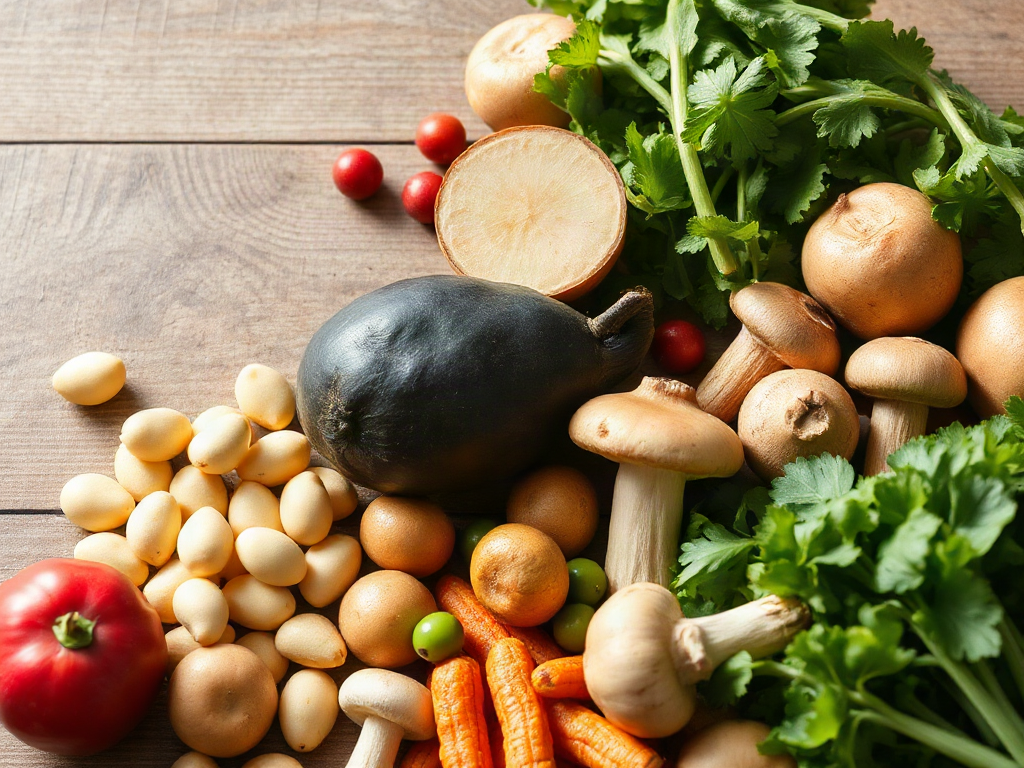
Organic produce choices for increasing choline intake are most useful when they center on soybeans, potatoes, cruciferous vegetables, mushrooms, and legumes, then combine those foods with other choline-rich options when dietary needs are higher. Choline occurs in smaller amounts across plant foods than in eggs, seafood, meat, and dairy, so produce alone may not reliably provide an entire day’s intake. Edamame, broccoli, cauliflower, shiitake mushrooms, and potatoes can contribute choline while also supplying fiber and other nutrients. Use cooked servings in meals, compare nutrition labels for packaged soy foods, and avoid assuming that organic certification increases choline content. Anyone with pregnancy-related nutrition needs, liver disease, or a restricted diet should discuss adequacy with a qualified clinician.
Where Plant Foods Fit in a Choline-Rich Diet
Plant foods can contribute meaningful choline, but they are usually supporting players rather than concentrated sources. Choline is a nutrient used in cell membranes, neurotransmitter production, lipid transport, and normal liver function. The body makes some choline, yet dietary intake still matters, and needs vary with age, pregnancy, lactation, and overall diet pattern.
The practical distinction is concentration. Eggs, fish, poultry, beef, and dairy generally provide more choline per typical serving than most fresh produce. That does not make produce irrelevant. A bowl containing edamame, cooked broccoli, mushrooms, and a potato can contribute more than a meal built around low-choline salad greens, while also adding potassium, folate, vitamin C, and fiber.
Organic certification describes production practices, not a guaranteed nutrient advantage. Organic broccoli is still broccoli nutritionally, and available choline can vary with cultivar, maturity, growing conditions, storage, and serving size. Choosing organic may reflect preferences about farming or pesticide exposure, but it should not be treated as a strategy that raises choline automatically.
A useful way to evaluate organic produce choices for increasing choline intake is to ask three questions: Is the food naturally more choline-dense than the alternatives on the plate? Will the serving be large enough to matter? Does the meal contain another reliable choline source? That approach avoids the common mistake of expecting a small garnish of parsley or lettuce to compensate for an otherwise low-choline pattern.
The Most Useful Produce Picks and How to Use Them
Edamame is one of the strongest produce-adjacent choices because immature soybeans combine choline with plant protein. Frozen shelled edamame is practical for grain bowls, soups, and stir-fries; it can be steamed and added to a meal without extensive preparation. Tofu and tempeh are processed soy foods rather than fresh produce, but they belong in the same planning conversation because they make a plant-centered choline contribution easier to repeat.
Potatoes can add choline in a familiar, affordable form, particularly when the whole potato is used. Roasted wedges, baked potatoes, or cooled potato salads can serve as a meal base. The nutritional tradeoff is preparation: a potato deep-fried or buried under large amounts of processed toppings offers a different overall profile from a baked potato paired with beans, vegetables, and a modest amount of sauce.
Cruciferous vegetables such as broccoli, cauliflower, Brussels sprouts, and cabbage provide smaller amounts but are useful because people can eat substantial cooked portions. Mushrooms, especially varieties such as shiitake, can add another plant source to soups, sauces, and savory grain dishes. Green peas also fit well, although they are commonly sold frozen and may be viewed as a vegetable-legume crossover rather than a fresh market item.
Lower-yield choices are not wasted choices. Spinach, kale, tomatoes, peppers, citrus, berries, and herbs bring other nutrients, but they should not be selected specifically as primary choline sources. A practical produce priority list looks like this:
- Choose often: edamame, green peas, potatoes, broccoli, cauliflower, Brussels sprouts, and mushrooms.
- Use as supporting ingredients: cabbage, corn, spinach, kale, tomatoes, and other vegetables.
- Pair deliberately: produce with eggs, fish, dairy, poultry, legumes, soy foods, or another suitable choline source when intake needs are higher.
Nutrition databases can help compare foods, but database values are estimates rather than guarantees for every crop or brand. The serving people actually eat matters more than a ranking based on an unusually small laboratory portion.
Building Meals That Contribute More Choline
Meal structure determines whether produce makes a noticeable contribution. A choline-aware plate usually needs a substantial anchor, not merely a few vegetables on the side. For a plant-forward breakfast, consider tofu scrambled with mushrooms and broccoli, or edamame mixed into a savory grain bowl. At lunch, a baked potato topped with beans, plain yogurt, or tofu can provide more nutritional substance than a potato eaten alone.
Dinner offers the easiest opportunity to combine several modest sources. A bowl with brown rice, edamame, roasted cauliflower, mushrooms, and a sesame dressing supplies multiple plant ingredients without depending on one supposedly “highest” vegetable. If animal foods fit the person’s diet, adding an egg, fish, or dairy component may make adequacy easier while the produce supplies color, texture, and complementary nutrients.
Cooking changes volume and texture, which affects intake even when the nutrient itself is not dramatically altered. A large raw broccoli salad may be difficult to eat, while a generous serving of steamed or roasted broccoli is more realistic. Overcooking can damage some heat-sensitive nutrients, but avoiding all cooked vegetables is not necessary for choline planning. The best method is the one that preserves palatability and makes regular servings practical.
Use this simple planning sequence when revising meals:
- Pick one substantial choline contributor, such as edamame, tofu, eggs, fish, beans, or dairy.
- Add two produce choices, with at least one from potatoes, cruciferous vegetables, peas, or mushrooms.
- Check whether the portion is realistic and whether the meal is varied enough to repeat.
- Review the full day rather than judging one salad, smoothie, or snack in isolation.
That last step matters because choline intake is cumulative. A person who eats soy at breakfast and legumes at lunch may need less emphasis on finding a single exceptional vegetable at dinner. Conversely, someone eating mostly fruit, leafy greens, and refined grains may need a more deliberate protein or soy addition. The internal planning link organic produce choices for increasing choline intake is most useful when it leads to this whole-day comparison rather than a narrow food ranking.
Organic Buying, Cooking, and Safety Decisions
Buying organic can fit a choline-focused eating pattern, but budget and availability should guide the decision. If organic edamame, broccoli, or potatoes are expensive, conventional versions can still contribute choline. Frozen vegetables are also legitimate choices: they may reduce waste, provide consistent access, and make it easier to eat a useful portion. Freshness and organic status should not displace the more important question of whether the food will actually be prepared and eaten.
Rinse fresh produce under running water and handle cut vegetables safely. Wash produce even when the peel will be removed, because handling can transfer surface contamination to the edible portion. Frozen packaged vegetables should be checked for added sauces or salt when those ingredients matter to the person’s diet. Canned beans and peas can be convenient, although draining and rinsing may reduce some added sodium.
Cooking method creates tradeoffs. Steaming or microwaving with a small amount of water can be convenient for broccoli and cauliflower. Roasting concentrates flavor and may make larger portions appealing, but oil and toppings add calories. Boiling potatoes is economical and versatile, while frying changes the meal’s fat and energy profile. No single technique makes a food a better choline source; the priority is a preparation that supports a repeatable, balanced meal.
A common misconception is that juicing improves nutrient intake because it allows more produce to be consumed. Juice removes much of the fiber and usually contributes little choline unless a specific ingredient is used in substantial quantity. Smoothies retain more of the whole food, but a fruit-heavy smoothie still may not provide much choline. Adding unsweetened soy milk, silken tofu, or a side of edamame can make the drink or meal more purposeful without claiming that produce alone meets every need.
When Produce Alone May Not Be Enough
People with higher choline requirements or limited food choices should not assume that a produce-only plan is adequate. Pregnancy and lactation are examples where nutrient targets change, and restrictive vegan, allergy-sensitive, or low-protein diets may require closer planning. Medical conditions and medications can also affect nutrition decisions, so a clinician or registered dietitian is the appropriate source for individualized advice.
The strongest plant-based approach usually combines produce with legumes and soy foods rather than relying on leafy greens. Lentils, kidney beans, chickpeas, tofu, tempeh, and edamame can make the day more substantial. Fortified foods may contribute as well, but labels differ, and fortification is not universal. Supplements should not be added casually simply because a food search produced a low number; dose, interactions, and individual needs deserve professional review.
Signs that a food strategy is working are practical: meals contain a dependable protein or soy anchor, produce portions are consistent, and the pattern remains enjoyable enough to sustain. Signs that it is failing include repeated reliance on garnishes, skipped meals, excessive dependence on juice, or an increasingly narrow list of acceptable foods. A written food record for several typical days can reveal whether the problem is the choice of produce, the serving size, or the absence of a concentrated source.
Choline is only one part of diet quality. A meal designed around it should still account for protein, energy needs, fiber tolerance, sodium, allergies, and cultural preferences. The linked topic organic produce choices for increasing choline intake should therefore be treated as a planning aid, not a treatment protocol or a promise that one crop will correct a deficiency.
Frequently Asked Questions
Which organic produce contains the most choline?
Edamame, green peas, potatoes, broccoli, cauliflower, Brussels sprouts, and mushrooms are practical plant choices. Their amounts are generally lower than those in eggs, seafood, meat, and dairy.
Does organic produce have more choline than conventional produce?
Organic certification does not guarantee higher choline content. Variety, growing conditions, storage, preparation, and serving size can influence the food’s measured nutrient value.
Can a vegan diet provide enough choline?
It may, but planning is usually needed. Soy foods, legumes, potatoes, peas, mushrooms, and cruciferous vegetables are more useful than relying mainly on fruit and salad greens.
Is raw produce better for choline?
Not automatically. Cooking can make larger portions easier to eat, and no universal rule makes raw vegetables superior for choline. Choose a safe preparation that preserves enjoyment and consistency.
Should I take a choline supplement?
Do not assume a supplement is necessary from a single food comparison. Review your full diet and personal circumstances with a qualified clinician, especially during pregnancy or when managing a medical condition.
Conclusion
A productive choline-focused shopping list does not need to be limited to one “superfood.” Prioritize edamame, peas, potatoes, mushrooms, broccoli, cauliflower, and related vegetables, then place them in meals with legumes, soy foods, eggs, fish, dairy, or other suitable contributors. Organic versions are a valid preference, but organic status should not outweigh affordability, safe handling, or the likelihood that the food will be eaten consistently. Compare the whole day rather than judging a garnish or juice, and use cooked or frozen options when they make useful portions easier. If pregnancy, lactation, dietary restriction, or a medical concern changes your needs, personalized advice is more reliable than trying to solve adequacy through produce alone.