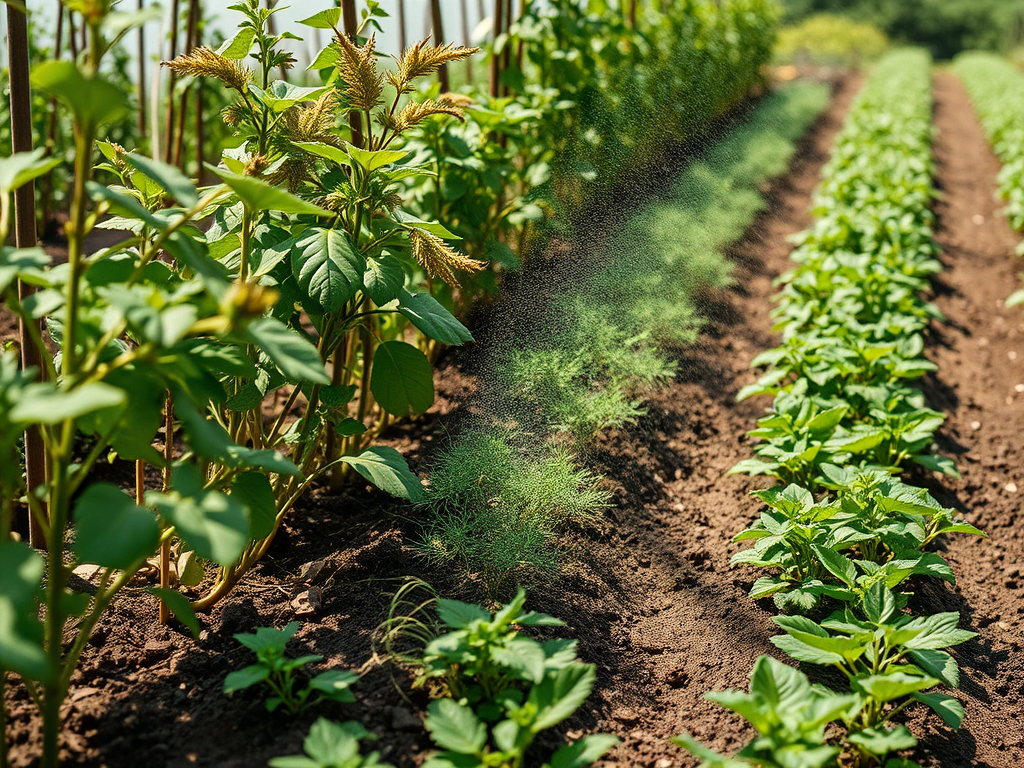
To avoid pesticides in organic farming, implement practices such as crop rotation, natural pest control methods, and the use of organic-approved products. These techniques help maintain soil health, promote biodiversity, and reduce reliance on synthetic chemicals. Additionally, utilizing companion planting can deter pests while enhancing crop yields, ensuring a more sustainable approach to farming without harmful pesticide residues.
Understanding Organic Farming Standards
Organic farming is governed by strict regulations that prohibit the use of synthetic pesticides and fertilizers. Understanding these standards is crucial for farmers who want to avoid pesticides effectively. The USDA National Organic Program (NOP) sets these regulations, ensuring that organic products are grown without harmful chemicals. Familiarizing oneself with these guidelines not only helps in compliance but also promotes sustainable farming practices.
Farmers should keep track of the materials they use in their farming processes. Substitutes for synthetic pesticides often include naturally derived substances, which are generally safer for the environment and human health. Regular training and education on organic standards can empower farmers to make informed decisions about pest management and crop production.
Understanding Organic Farming Standards matters because it turns avoid pesticides in organic farming from a broad idea into a decision the reader can actually apply. The practical difference usually shows up in the details: how much is needed, when the choice is made, what tradeoff is acceptable, and what sign shows the approach is working. For technology topics, the strongest advice connects the user goal, system constraint, maintenance burden, and measurable outcome.
A useful way to handle this section is to compare the normal baseline with the situation that creates extra demand. If organic is the baseline concern, then farming becomes the adjustment point and pesticides becomes the outcome to watch. That keeps the advice specific without forcing the reader into a rigid formula that may not fit their routine, budget, tolerance, schedule, or current level of experience.
The most common mistake is changing too many variables at once. A better approach is to choose one measurable adjustment, use it consistently long enough to see a pattern, and then refine the next step based on energy, comfort, performance, safety, or reliability. This makes the guidance easier to trust because the reader can connect the recommendation to what they observe rather than guessing from a generic checklist.
The practical takeaway is to make the section actionable: identify the main constraint, choose the smallest useful change, and compare the result against the goal. When the outcome improves, the reader can keep the approach. When it does not, the next change should target the most likely bottleneck rather than repeating the same step with more effort.
Natural Pest Control Methods
Utilizing natural pest control methods is an essential strategy in organic farming aimed at avoiding pesticides. These methods include biological controls, such as introducing beneficial insects that prey on harmful pests. For example, ladybugs can control aphid populations without the need for chemical interventions.
Additionally, employing physical barriers like row covers can protect crops from pests while allowing sunlight and moisture to penetrate. Organic farmers can also use traps and lures that attract pests away from crops. By diversifying pest management strategies, farmers can reduce their dependence on pesticides and enhance their crop resilience.
One common mistake is relying solely on one method of pest control. A diversified approach that combines several techniques will often yield better results and maintain ecological balance on the farm.
Natural Pest Control Methods matters because it turns avoid pesticides in organic farming from a broad idea into a decision the reader can actually apply. The practical difference usually shows up in the details: how much is needed, when the choice is made, what tradeoff is acceptable, and what sign shows the approach is working. For technology topics, the strongest advice connects the user goal, system constraint, maintenance burden, and measurable outcome.
A useful way to handle this section is to compare the normal baseline with the situation that creates extra demand. If pesticides is the baseline concern, then organic becomes the adjustment point and pest becomes the outcome to watch. That keeps the advice specific without forcing the reader into a rigid formula that may not fit their routine, budget, tolerance, schedule, or current level of experience.
The most common mistake is changing too many variables at once. A better approach is to choose one measurable adjustment, use it consistently long enough to see a pattern, and then refine the next step based on energy, comfort, performance, safety, or reliability. This makes the guidance easier to trust because the reader can connect the recommendation to what they observe rather than guessing from a generic checklist.
The practical takeaway is to make the section actionable: identify the main constraint, choose the smallest useful change, and compare the result against the goal. When the outcome improves, the reader can keep the approach. When it does not, the next change should target the most likely bottleneck rather than repeating the same step with more effort.
Soil Health and Crop Rotation
Soil health is fundamental in organic farming and can significantly affect pest populations. Healthy soil promotes strong plant growth, making crops more resistant to pests and diseases. Implementing crop rotation is a vital practice that helps maintain soil fertility and disrupt pest life cycles.
Crop rotation involves alternating the types of crops grown in a particular area from season to season. This practice not only enhances soil nutrients but also reduces the buildup of pests and diseases associated with specific crops. For instance, rotating legumes with grains can improve soil nitrogen levels while minimizing pest issues.
Farmers should also incorporate cover crops during off-seasons to protect and enrich the soil. These crops can prevent erosion, improve soil structure, and suppress weeds, further reducing the need for pesticides.
Soil Health and Crop Rotation matters because it turns avoid pesticides in organic farming from a broad idea into a decision the reader can actually apply. The practical difference usually shows up in the details: how much is needed, when the choice is made, what tradeoff is acceptable, and what sign shows the approach is working. For nutrition topics, the strongest advice connects portion size, food quality, timing, and recovery instead of treating every meal as a fixed serving.
A useful way to handle this section is to compare the normal baseline with the situation that creates extra demand. If soil is the baseline concern, then crops becomes the adjustment point and pesticides becomes the outcome to watch. That keeps the advice specific without forcing the reader into a rigid formula that may not fit their routine, budget, tolerance, schedule, or current level of experience.
The most common mistake is changing too many variables at once. A better approach is to choose one measurable adjustment, use it consistently long enough to see a pattern, and then refine the next step based on energy, comfort, performance, safety, or reliability. This makes the guidance easier to trust because the reader can connect the recommendation to what they observe rather than guessing from a generic checklist.
Companion Planting Techniques
Companion planting is another effective strategy to avoid pesticides in organic farming. This technique involves growing different plants in proximity to benefit each other. Certain plants can repel pests, while others can attract beneficial insects.
For example, planting marigolds alongside vegetables can deter nematodes and other pests. Similarly, basil is known to enhance the growth and flavor of tomatoes while repelling whiteflies. By strategically pairing plants, farmers can create a more resilient ecosystem that naturally reduces pest populations.
Farmers should experiment with various companion planting combinations to see what works best for their specific crops and local conditions. This trial-and-error approach can lead to discovering effective pest management solutions while enhancing biodiversity on the farm.
Companion Planting Techniques matters because it turns avoid pesticides in organic farming from a broad idea into a decision the reader can actually apply. The practical difference usually shows up in the details: how much is needed, when the choice is made, what tradeoff is acceptable, and what sign shows the approach is working. For gardening topics, the strongest advice connects soil conditions, plant needs, timing, and observable growth signals.
A useful way to handle this section is to compare the normal baseline with the situation that creates extra demand. If planting is the baseline concern, then avoid becomes the adjustment point and pesticides becomes the outcome to watch. That keeps the advice specific without forcing the reader into a rigid formula that may not fit their routine, budget, tolerance, schedule, or current level of experience.
The most common mistake is changing too many variables at once. A better approach is to choose one measurable adjustment, use it consistently long enough to see a pattern, and then refine the next step based on energy, comfort, performance, safety, or reliability. This makes the guidance easier to trust because the reader can connect the recommendation to what they observe rather than guessing from a generic checklist.
Frequently Asked Questions
What are the main benefits of organic farming?
Organic farming promotes biodiversity, improves soil health, and reduces chemical exposure for consumers and farmworkers, leading to a healthier ecosystem.
How can I implement crop rotation effectively?
To implement crop rotation effectively, plan a sequence of crops that differ in nutrient needs and pest susceptibility, ensuring each crop is rotated every season.
What are natural alternatives to synthetic pesticides?
Natural alternatives include neem oil, diatomaceous earth, and insecticidal soaps, which can effectively manage pests without the harmful effects of synthetic chemicals.
Can companion planting really help reduce pests?
Yes, companion planting can help reduce pests by attracting beneficial insects and repelling harmful ones, thus creating a more balanced ecosystem in the garden.
What is the role of beneficial insects in organic farming?
Beneficial insects play a crucial role in organic farming by preying on pests, pollinating plants, and contributing to the overall health of the ecosystem.
Conclusion
To effectively avoid pesticides in organic farming, it is essential to adopt a multifaceted approach that includes understanding organic standards, utilizing natural pest control methods, maintaining soil health through crop rotation, and applying companion planting techniques. By implementing these practices, farmers can not only ensure compliance with organic regulations but also foster a sustainable farming ecosystem that benefits both the environment and their crops. Prioritizing these strategies will lead to healthier produce and a more resilient agricultural system.