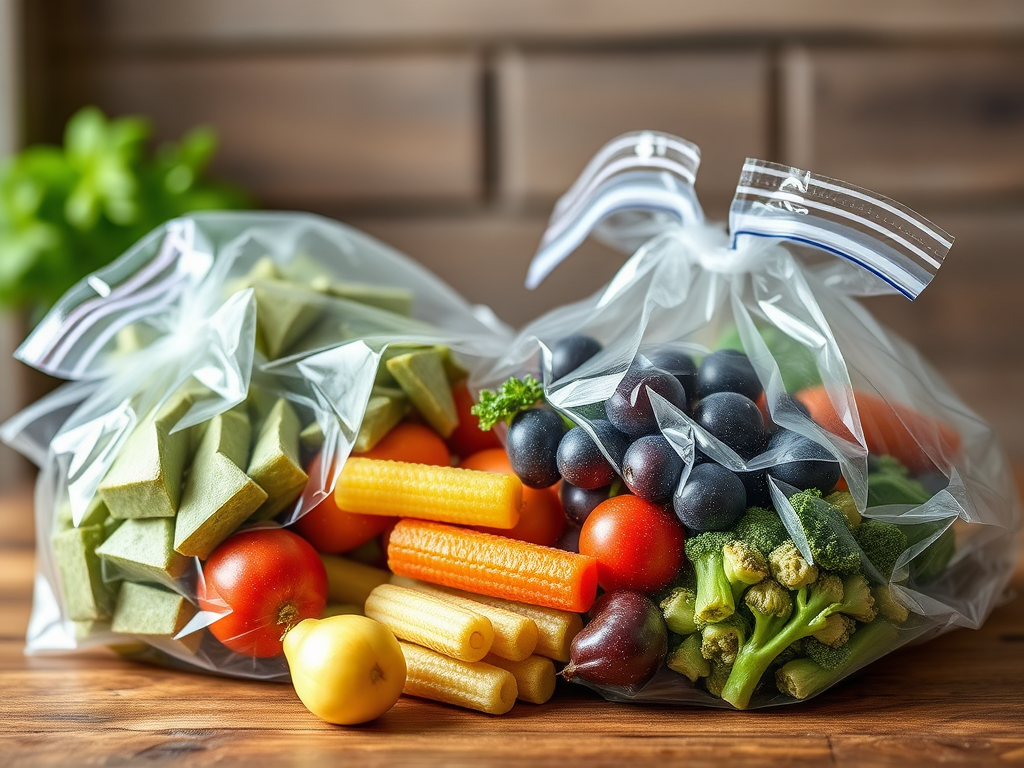
The nutritional differences in frozen organic produce compared to fresh options can be significant, primarily due to the freezing process that preserves vitamins and minerals. Frozen organic produce often retains higher levels of nutrients like vitamin C, folate, and antioxidants because they are typically harvested at peak ripeness and frozen quickly. While fresh produce can lose nutrients during transport and storage, frozen varieties can provide a more consistent nutrient profile. However, it's essential to check for added ingredients, as some frozen products may contain preservatives or sugars that can diminish their health benefits.
Understanding Freezing and Nutrient Preservation
Freezing is a preservation method that can significantly impact the nutritional quality of organic produce. When fruits and vegetables are harvested, they begin to lose nutrients over time due to enzymatic activity, exposure to light, and temperature fluctuations. However, freezing halts this process, locking in the nutrients at their peak levels. This process typically occurs shortly after harvest, ensuring that the produce retains its vitamins and minerals.
For instance, vegetables like spinach and broccoli are often blanched before freezing, which involves briefly boiling them to deactivate enzymes that can lead to nutrient loss. This method helps maintain the color, texture, and flavor of the vegetables while preserving their nutritional value. Studies suggest that frozen organic produce can retain up to 90% of its nutrients compared to fresh produce, which may lose up to 50% of its vitamins during transport and storage.
Understanding Freezing and Nutrient Preservation matters because it turns the nutritional differences in frozen organic produce from a broad idea into a decision the reader can actually apply. The practical difference usually shows up in the details: how much is needed, when the choice is made, what tradeoff is acceptable, and what sign shows the approach is working. For nutrition topics, the strongest advice connects portion size, food quality, timing, and recovery instead of treating every meal as a fixed serving.
A useful way to handle this section is to compare the normal baseline with the situation that creates extra demand. If produce is the baseline concern, then nutritional becomes the adjustment point and organic becomes the outcome to watch. That keeps the advice specific without forcing the reader into a rigid formula that may not fit their routine, budget, tolerance, schedule, or current level of experience.
The most common mistake is changing too many variables at once. A better approach is to choose one measurable adjustment, use it consistently long enough to see a pattern, and then refine the next step based on energy, comfort, performance, safety, or reliability. This makes the guidance easier to trust because the reader can connect the recommendation to what they observe rather than guessing from a generic checklist.
The practical takeaway is to make the section actionable: identify the main constraint, choose the smallest useful change, and compare the result against the goal. When the outcome improves, the reader can keep the approach. When it does not, the next change should target the most likely bottleneck rather than repeating the same step with more effort.
Comparative Nutritional Analysis
When comparing frozen organic produce with fresh options, it is essential to consider the specific nutrient profiles of each. Research indicates that certain nutrients, particularly vitamin C and some B vitamins, are better preserved in frozen produce. For example, frozen peas tend to have higher vitamin C levels than fresh peas that have been stored for several days.
However, it is important to note that not all nutrients behave the same way during the freezing process. Fat-soluble vitamins like vitamin A and E are less affected by freezing, while water-soluble vitamins may be more susceptible to loss during cooking. This means that how you prepare frozen organic produce can also impact its nutritional value. Steaming or microwaving frozen vegetables can help retain nutrients better than boiling.
Comparative Nutritional Analysis matters because it turns the nutritional differences in frozen organic produce from a broad idea into a decision the reader can actually apply. The practical difference usually shows up in the details: how much is needed, when the choice is made, what tradeoff is acceptable, and what sign shows the approach is working. For nutrition topics, the strongest advice connects portion size, food quality, timing, and recovery instead of treating every meal as a fixed serving.
A useful way to handle this section is to compare the normal baseline with the situation that creates extra demand. If frozen is the baseline concern, then produce becomes the adjustment point and nutritional becomes the outcome to watch. That keeps the advice specific without forcing the reader into a rigid formula that may not fit their routine, budget, tolerance, schedule, or current level of experience.
The most common mistake is changing too many variables at once. A better approach is to choose one measurable adjustment, use it consistently long enough to see a pattern, and then refine the next step based on energy, comfort, performance, safety, or reliability. This makes the guidance easier to trust because the reader can connect the recommendation to what they observe rather than guessing from a generic checklist.
The practical takeaway is to make the section actionable: identify the main constraint, choose the smallest useful change, and compare the result against the goal. When the outcome improves, the reader can keep the approach. When it does not, the next change should target the most likely bottleneck rather than repeating the same step with more effort.
Benefits of Frozen Organic Produce
There are several benefits to incorporating frozen organic produce into your diet. One of the most significant advantages is convenience. Frozen fruits and vegetables require no washing, peeling, or chopping, making them an excellent option for quick meal preparation. This ease of use can lead to increased consumption of vegetables, which is essential for maintaining a healthy diet.
Moreover, frozen organic produce is often more cost-effective than fresh produce, especially when certain fruits and vegetables are out of season. Buying in bulk and freezing at home can also help reduce food waste, as you can store items for longer periods without the risk of spoilage. Additionally, frozen produce can provide a more consistent flavor and texture, as they are harvested and frozen at their peak ripeness.
Benefits of Frozen Organic Produce matters because it turns the nutritional differences in frozen organic produce from a broad idea into a decision the reader can actually apply. The practical difference usually shows up in the details: how much is needed, when the choice is made, what tradeoff is acceptable, and what sign shows the approach is working. For nutrition topics, the strongest advice connects portion size, food quality, timing, and recovery instead of treating every meal as a fixed serving.
A useful way to handle this section is to compare the normal baseline with the situation that creates extra demand. If frozen is the baseline concern, then produce becomes the adjustment point and organic becomes the outcome to watch. That keeps the advice specific without forcing the reader into a rigid formula that may not fit their routine, budget, tolerance, schedule, or current level of experience.
The most common mistake is changing too many variables at once. A better approach is to choose one measurable adjustment, use it consistently long enough to see a pattern, and then refine the next step based on energy, comfort, performance, safety, or reliability. This makes the guidance easier to trust because the reader can connect the recommendation to what they observe rather than guessing from a generic checklist.
Common Misconceptions about Frozen Produce
Despite the many benefits, misconceptions about frozen organic produce persist. One common belief is that frozen fruits and vegetables are less nutritious than their fresh counterparts. However, as discussed, freezing can preserve nutrients effectively, and in some cases, frozen produce can be healthier than fresh produce that has lost nutrients during transport.
Another misconception is that frozen produce is always processed or contains additives. While some frozen products may have added sugars or preservatives, many brands offer organic options without any additives. Reading labels and choosing products with minimal ingredients can help ensure that you are selecting healthy options.
Common Misconceptions about Frozen Produce matters because it turns the nutritional differences in frozen organic produce from a broad idea into a decision the reader can actually apply. The practical difference usually shows up in the details: how much is needed, when the choice is made, what tradeoff is acceptable, and what sign shows the approach is working. For nutrition topics, the strongest advice connects portion size, food quality, timing, and recovery instead of treating every meal as a fixed serving.
A useful way to handle this section is to compare the normal baseline with the situation that creates extra demand. If frozen is the baseline concern, then produce becomes the adjustment point and organic becomes the outcome to watch. That keeps the advice specific without forcing the reader into a rigid formula that may not fit their routine, budget, tolerance, schedule, or current level of experience.
The most common mistake is changing too many variables at once. A better approach is to choose one measurable adjustment, use it consistently long enough to see a pattern, and then refine the next step based on energy, comfort, performance, safety, or reliability. This makes the guidance easier to trust because the reader can connect the recommendation to what they observe rather than guessing from a generic checklist.
Conclusion
Incorporating frozen organic produce into your diet can offer numerous nutritional benefits while providing convenience and cost savings. Understanding the nutritional differences between frozen and fresh options enables you to make informed choices that support your health. By prioritizing frozen organic produce, you can enjoy the advantages of peak nutrient retention, ease of preparation, and minimized food waste, making it a smart addition to any healthy eating plan.
Frequently Asked Questions
Is frozen organic produce as nutritious as fresh?
Yes, frozen organic produce can be as nutritious as fresh, often retaining more nutrients due to the quick freezing process that preserves vitamins and minerals.
What are the benefits of eating frozen organic produce?
Frozen organic produce is convenient, cost-effective, and can help reduce food waste while providing consistent flavor and texture.
Are there any additives in frozen organic produce?
Many frozen organic products have no additives, but it’s essential to read labels to ensure there are no added sugars or preservatives.
How should I prepare frozen organic vegetables to retain nutrients?
Steaming or microwaving frozen vegetables is recommended to retain their nutrients better than boiling.
Can frozen organic produce help with meal planning?
Yes, frozen organic produce can simplify meal planning by providing quick, ready-to-use ingredients that can reduce preparation time and food waste.