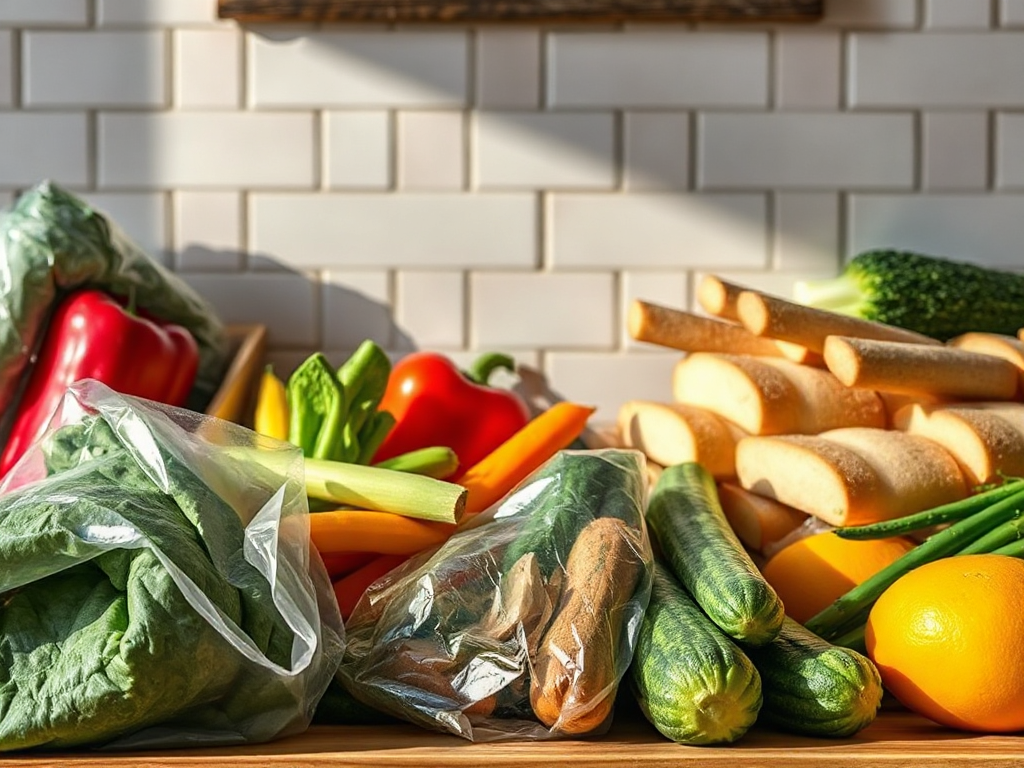
Prevent Waste Before It Becomes Scraps
The most effective way to manage organic food waste is to prevent edible food from becoming waste in the first place. Composting is useful for unavoidable peels, stems, coffee grounds, and spoiled food, but it does not recover the money, water, labor, or energy already invested in food that could have been eaten. A practical system therefore begins with purchasing and meal decisions, then moves to storage, reuse, donation, and composting.
Begin by examining where waste occurs rather than assuming every household needs the same solution. A family may discard half-used greens because meals are not planned around them, while a single person may lose food because packages are larger than weekly demand. Keep a short waste log for seven days. Record the item, approximate amount, and reason it was discarded: overbuying, poor storage, forgotten leftovers, cooking trimmings, or a quality concern. That record identifies the highest-value change.
Shopping with a flexible plan is more useful than buying a large quantity because an item appears inexpensive. Plan a few anchor meals, then leave room for foods that need using first. For example, delicate herbs, berries, cut lettuce, and ripe stone fruit should usually be assigned to early-week meals, while cabbage, carrots, onions, dried beans, and winter squash can wait longer under suitable storage. “Use by” and “best by” wording should not be treated as identical signals; follow package directions and assess food safety cautiously, especially for refrigerated ready-to-eat foods.
Portion control also prevents waste without making meals less satisfying. Serve a modest first portion and allow seconds, particularly when cooking for guests or children. Save vegetable trimmings that are genuinely useful, such as clean herb stems for stock, but do not preserve every scrap simply because it might have a theoretical use. A jar of unusable odds and ends that occupies freezer space is not waste prevention; it is delayed disposal.
- Buy the amount likely to be used before quality falls.
- Assign fragile ingredients to specific meals.
- Cook adaptable base foods that can serve more than one meal.
- Measure recurring scraps and change the purchase or portion causing them.
The common mistake is treating compost as permission to overbuy. Composting turns organic material into a useful soil amendment under suitable conditions, but it does not erase the upstream resource cost. Prioritize foods that are still edible, then direct unavoidable scraps into the cleanest available recovery route.
Store, Use, and Redirect Food at the Right Time
Storage determines whether organic food remains edible long enough to use. Spoilage accelerates when temperature, moisture, airflow, or ethylene exposure is poorly managed. The correct approach is not to refrigerate everything automatically. Some foods lose flavor or texture when chilled, while others deteriorate quickly at room temperature.
Keep leafy greens and herbs from sitting wet in a sealed container, since trapped moisture encourages decay. After washing, dry them thoroughly and use a breathable bag or container lined with a clean towel. Store potatoes, onions, and garlic in a cool, dry, dark location rather than a damp refrigerator drawer. Keep apples and bananas away from fragile produce when ripening speeds are a concern, and use the refrigerator to slow fruit that has reached the ripeness you want.
Food rotation is more reliable when the most perishable items are visible. Place foods needing immediate attention at the front of the refrigerator and label leftovers with the date prepared. A “use first” tray can hold an open tomato, cooked grains, soft fruit, or a partial container of greens. This small visual cue often works better than relying on memory, particularly in crowded refrigerators.
When quality is declining but the food remains suitable to eat, change its form. Wilted greens can be cooked into eggs, soup, or beans; soft fruit can be frozen for blended drinks or cooked applications; stale bread can become crumbs; and excess cooked grains can be portioned for later meals. These methods have limits. Moldy soft produce, food with an abnormal odor, or items held under questionable temperature conditions should not be rescued by cooking or freezing. When safety is uncertain, discard it and prevent a repeat through smaller purchases or improved storage.
Redirecting food can be appropriate when it is still wholesome but unlikely to be used. Share unopened items, offer surplus from a garden through a local community channel, or check whether a food rescue organization accepts the category and condition. Donation rules differ, so confirm local requirements rather than passing along food that another household cannot safely use. Compared with composting, redistribution preserves the food’s highest value, but it requires attention to timing, packaging, and recipient needs.
Linking storage decisions with how to deal with organic food waste effectively makes the process more precise: the question is not merely where to put scraps, but why the food became unavailable for eating and what change would prevent that outcome.
Build a Clean and Balanced Compost Routine
Composting is the right destination for unavoidable organic scraps when edible reuse, sharing, or local collection is not practical. A functioning compost system needs a combination of moisture, oxygen, microorganisms, and materials with different carbon and nitrogen characteristics. Food scraps are generally moist and nitrogen-rich; dry leaves, untreated shredded paper, small pieces of plain cardboard, and similar materials provide carbon and structure.
Home composting can use an outdoor bin, tumbler, or managed pile, but the equipment does not replace correct inputs. Add food scraps in small quantities and cover them with dry material. This reduces exposed food, limits odors, and improves airflow. Chop large pieces such as melon rinds or thick stems so they break down more readily. Stir or turn the pile when it becomes compacted or develops wet pockets, although frequent turning is not automatically better if it disrupts moisture balance.
A useful household routine begins with a small lidded container in the kitchen. Choose a washable container that is large enough for several meals but small enough to empty regularly. Line it only with a compostable bag if the receiving program accepts that material; some bags labeled compostable require industrial processing and do not break down reliably in backyard piles. Rinse the container after emptying it, and keep particularly wet scraps from sitting for many days.
Not every compost system accepts the same materials. Backyard systems may be unsuitable for meat, bones, dairy, oily foods, pet waste, or large amounts of cooked food because these inputs can attract animals or create anaerobic, foul-smelling conditions. A municipal organics service may accept some of these materials in a controlled facility, but local instructions govern. Check the program’s accepted-items list before adding packaging, certified compostable products, or food contaminated with liquids.
Finished compost should look dark and crumbly, with no strong rotten odor and few recognizable food pieces. A sour smell, persistent flies, or a dripping pile usually indicates excess moisture, insufficient dry material, poor aeration, or too much food added at once. The correction is usually to pause food additions, mix in dry carbon material, and improve airflow. Do not use unfinished or contaminated compost around edible crops simply because the pile has been sitting for a while; appearance and process conditions both matter.
For apartments or households without outdoor space, municipal collection, a community garden, or a neighborhood drop-off may be more realistic than forcing an indoor composting method to handle unsuitable volumes. Vermicomposting can work for selected kitchen scraps, but worms need controlled moisture, shade, and moderate feeding. The best system is the one that matches the household’s space, volume, accepted materials, and willingness to maintain it.
Avoid Odors, Pests, Contamination, and Failed Systems
Most food-waste systems fail because the stream is too wet, too exposed, too contaminated, or too ambitious for the household using it. A compost bin that smells like decay is not necessarily proof that composting is impossible; it is a sign that oxygen, moisture, or input balance needs attention. A collection container full of fruit flies often reflects warm scraps sitting uncovered, not an unavoidable feature of organic waste management.
Keep scraps covered and empty them before they become slimy. Freezing food scraps in a sealed container can reduce odor and insect activity until collection day, provided the container can be cleaned and the local service permits the resulting material. Avoid pouring cooking oil, sauces, or grease into compost or organics bins unless the program specifically allows them. Liquid makes the material heavier, less aerated, and more difficult to manage.
Contamination is especially damaging in municipal programs. Plastic produce stickers, twist ties, ordinary plastic bags, glass, and metal do not belong in an organics cart even when they are attached to food. “Biodegradable” is not a universal disposal instruction. Read the local authority’s accepted-items list, because facility equipment and processing conditions differ. When no clear guidance exists, keep the uncertain item out of the organics stream and seek clarification.
There is also a tradeoff between convenience and control. A sealed kitchen caddy is convenient but may conceal liquid buildup, while an open bowl is easy to monitor but can attract insects. A backyard pile offers control over the ingredients but requires space and maintenance. Municipal collection reduces home labor but may involve scheduled pickup and restrictions. Choose based on the failure you are most likely to experience, not on the system that looks most sophisticated.
Watch for practical signs that the approach is working: the kitchen container stays mostly dry, the compost pile has an earthy rather than rotten smell, the amount of edible food discarded falls, and the household knows what belongs in each stream. Signs of failure include recurring spoiled leftovers, frequent emergency grocery trips, wet compacted compost, or repeated contamination warnings. Correct one cause at a time so you can tell whether the change worked.
For a household deciding between options, use this order: prevent avoidable waste, eat or share safe surplus, freeze food that will soon decline, use an approved organics service when available, and compost only what the chosen system can process. That sequence keeps disposal from becoming the default solution.
A Household Plan That Makes Waste Reduction Stick
A workable plan assigns a small action to each stage of the food cycle. On shopping day, inspect the refrigerator and write down foods that need using. During preparation, keep edible portions separate from unavoidable trimmings. After meals, cool and store leftovers promptly according to safe food-handling practices, label them, and schedule when they will be eaten. At the end of the week, review what was discarded and adjust purchasing rather than simply adding more storage containers.
Use a priority system that reflects value and risk. Edible food close to its quality limit deserves attention before tough peels or coffee grounds. Foods that can be frozen should be portioned before they deteriorate, not after they become unusable. Scraps that cannot be eaten should be separated immediately from wrappers and other contaminants. This reduces the chance that one contaminated item will spoil an entire organics container.
A simple weekly checklist can remain visible near the refrigerator:
- Check the “use first” area before shopping.
- Prepare one meal that uses two or more aging ingredients.
- Freeze or share surplus before its quality drops.
- Empty and wash the kitchen scrap container.
- Add enough dry material to keep compost loose and covered.
- Review one repeated waste cause and change the next purchase.
Households should adjust the plan to their constraints. Someone with irregular work hours may benefit from frozen meal components and smaller produce quantities, while a gardener may generate more trimmings and need a larger carbon supply. People using a municipal service should keep the accepted-items guide accessible. The goal is not zero scraps at every meal; it is a steady reduction in avoidable waste and a clean destination for what remains.
Connect the routine with how to deal with organic food waste effectively by reviewing the system monthly. If food is still being discarded, change the buying pattern, storage location, package size, or cooking schedule before purchasing new equipment. If compost is failing, correct moisture and material balance before replacing the bin. Small operational changes usually outperform complicated systems that no one maintains.
Frequently Asked Questions
What is the first step in reducing organic food waste?
Track discarded items for one week and identify the biggest cause, such as overbuying, poor storage, forgotten leftovers, or oversized portions. Correct that cause before adding compost equipment.
Can all kitchen scraps go into a backyard compost pile?
No. Meat, dairy, bones, oily foods, pet waste, and cooked leftovers may attract pests or create odor problems. Follow the rules for your specific system or use an approved municipal program.
How can food scraps be kept from smelling before collection?
Use a lidded, washable container, avoid adding excess liquid, empty it regularly, and freeze scraps when collection is infrequent. Cover outdoor compost additions with dry leaves or shredded untreated cardboard.
Is freezing food waste better than composting it?
Freezing is mainly a temporary storage method that slows odors and insect activity. It is useful when scraps must wait for collection, but the material still needs to go to an accepted compost or organics system afterward.
What should be done with food that is still edible but unlikely to be used?
Use it in a planned meal, freeze it, or share it while quality and safety remain acceptable. Donation or community sharing may be suitable for unopened, wholesome items, subject to local requirements.
Conclusion
Effective organic food-waste management begins before the scraps reach a bin. Buy quantities that match actual use, store fragile foods deliberately, rotate leftovers, and redirect safe surplus through meals, freezing, or sharing. Composting then provides a responsible outlet for peels, stems, grounds, and other unavoidable material, but only when the system can accept the inputs and maintain suitable moisture and airflow. A clean container, a dry carbon supply, and a local acceptance guide prevent many common failures. Review the waste created each week and change the purchase, storage habit, or meal schedule behind it. That approach reduces avoidable disposal while keeping the remaining organic stream manageable, hygienic, and appropriate for home or municipal processing.