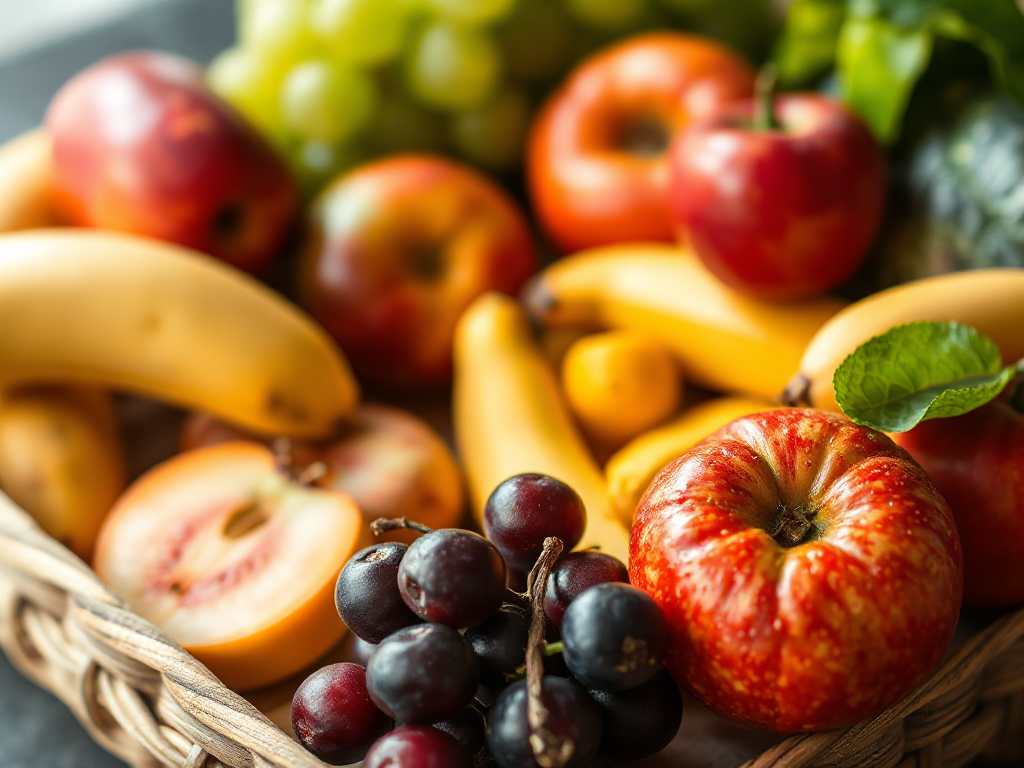
The nutritional value of organic versus non-organic fruits is usually similar for calories, fiber, vitamins, and minerals, while the clearest distinction involves farming methods and potential pesticide exposure. Fruit variety, ripeness, storage, soil conditions, and freshness can influence nutrient levels more than the organic label alone. Organic choices may reduce exposure to some synthetic pesticides, but they are not pesticide-free, and conventionally grown fruit still provides substantial nutritional value when washed and handled properly. Prioritize eating a wide range of affordable fruit, washing all produce under running water, and choosing organic selectively when a lower-exposure preference justifies the added cost.
What Nutrition Comparisons Actually Show
Organic and conventionally grown fruit both supply valuable carbohydrates, dietary fiber, water, vitamins, minerals, and plant compounds. An apple remains a source of fiber and vitamin C whether it carries an organic label or was grown with conventional methods. The label describes production standards, not a guaranteed nutrient profile.
Research comparing organic and non-organic crops has found that nutrient differences can vary by fruit, growing conditions, harvest timing, storage, and the methods used for comparison. Some analyses have reported higher concentrations of particular antioxidant compounds in certain organic crops, while other comparisons find little meaningful difference in common nutrients. Those findings do not support the broad claim that every organic fruit is more nutritious.
Fruit variety often matters more than production label. A serving of strawberries, oranges, kiwi, or guava provides a different nutrient pattern from a serving of grapes or watermelon. Citrus contributes vitamin C, berries provide anthocyanin-rich pigments, and dried fruit concentrates calories and sugar because water has been removed. Comparing an organic apple with a non-organic apple is useful, but comparing a fresh orange with a small portion of dried mango may matter more for the meal’s nutritional effect.
A common mistake is treating the word organic as a substitute for variety and portion awareness. Organic fruit juice, sweetened fruit products, and large amounts of dried fruit can still contribute substantial sugar with less fiber than whole fruit. For everyday eating, the practical priority is to consume whole fruit regularly, rotate varieties, and select the production method that fits your health preferences and budget. Readers researching the nutritional value of organic versus non-organic fruits should interpret modest nutrient differences in that larger dietary context.
Pesticide Exposure, Washing, and Food Safety
The strongest practical reason some shoppers choose organic fruit is the possibility of reducing exposure to certain synthetic pesticide residues. Organic farming can use approved pesticides, including naturally derived substances, so organic does not mean residue-free. Conventional farming also operates within regulatory systems intended to limit residues, and the presence of a detectable residue does not automatically mean a food is unsafe.
Exposure depends on the crop, the chemical used, application timing, residue behavior, and how much of the fruit a person eats. Peeling may reduce some residues on the surface, but it also removes fiber and compounds found in the skin. Washing fruit under clean running water can remove dirt and some surface residues; soap, detergent, and commercial produce washes are not appropriate substitutes for water because they can leave unwanted residues or damage the food.
Consider a family that buys berries, peaches, and apples each week. If organic berries are affordable but organic apples would force the family to buy less fruit overall, choosing organic berries and conventional apples may be a sensible compromise. The family should still rinse produce before eating, keep ready-to-eat fruit separate from raw foods that could contaminate it, and refrigerate cut fruit promptly. Organic status does not remove the need for ordinary food-safety habits.
Another weak assumption is that washing makes every fruit equivalent. Washing cannot remove chemicals that have moved into plant tissue, and it cannot correct bruising, mold, or poor storage. It is also not a reason to avoid conventional fruit altogether. A useful approach is to treat pesticide preference as one decision factor alongside price, freshness, availability, and dietary variety. People with occupational exposure, special medical concerns, or questions about a specific risk should seek individualized advice from a qualified clinician or public-health source rather than infer risk from a general shopping list.
Fruit Variety, Freshness, and Nutrient Retention
Freshness and handling can influence the nutrients delivered at the time of eating. Vitamin C and some other sensitive compounds may decline during prolonged storage, especially when produce is exposed to heat, air, or light. Frozen fruit can remain nutritionally useful because it is often processed relatively soon after harvest, while fresh fruit transported long distances may spend more time in storage. Organic and conventional fruit can both be excellent or disappointing depending on these conditions.
For example, frozen conventional blueberries may be a more practical choice than expensive organic berries that have become soft and moldy in the refrigerator. Frozen fruit works well in oatmeal, plain yogurt, or a smoothie, although a smoothie does not eliminate calories and should not be confused with a beverage that has the same eating experience as whole fruit. Fresh oranges, apples, pears, and bananas are convenient options when a household needs fruit that can withstand several days of storage.
The edible portion also affects the comparison. Apple skin contributes fiber and plant compounds, but it should be washed whether the apple is organic or conventional. Thick-skinned fruits such as bananas and avocados are often easier for shoppers to prioritize according to price because the peel is discarded, although handling still matters before cutting. Berries have delicate surfaces and are commonly eaten whole, so freshness, washing, and personal pesticide preferences may carry more weight for some households.
Buying only one kind of organic fruit can create a less varied diet than buying several conventional options. A better test is to examine the basket: does it contain different colors, whole rather than heavily processed forms, and fruit that will actually be eaten before spoiling? Nutritional value is lost when produce is purchased with good intentions but discarded. Plan portions around real use, freeze fruit that is ripening quickly, and use bruised sections promptly after removing damaged areas.
A Practical Way to Choose Organic or Conventional Fruit
A reliable shopping decision begins with the fruit’s role in the household, not with an assumption that one label is universally superior. Ask which fruits are eaten often, which are consumed with the skin, which are available in good condition, and how much the organic premium would change the rest of the grocery basket. This method keeps nutrition, exposure preference, and affordability in the same conversation.
Use a short priority check before buying:
- Keep variety first: choose several fruits that provide different textures, flavors, and nutrient profiles.
- Consider the edible surface: fruit eaten whole may receive more attention than fruit with a peel that is discarded, though all produce should be handled cleanly.
- Check freshness: firm, intact fruit that will be eaten soon may be a better purchase than costly produce nearing spoilage.
- Match the format to the meal: whole fruit supports chewing and fiber intake, while frozen fruit can reduce waste and extend availability.
- Set a realistic budget: do not let an organic preference reduce total fruit intake or crowd out other nutritious foods.
Suppose someone eats apples daily, buys berries for breakfast, and rarely eats peaches. They might choose organic apples if the skin and repeated consumption make that preference meaningful, buy frozen berries based on price and quality, and select conventional peaches when they are fresh and affordable. Another person may choose conventional fruit across the board because it is the only way to maintain a varied intake. Neither decision requires claiming that one category has universally better nutrition.
The common failure is using a rigid ranking that ignores context. A shopper may spend extra on organic fruit with no measurable improvement in the overall diet while buying fewer vegetables, legumes, or whole grains. Conversely, someone who strongly prefers organic production may reasonably accept a higher price when it fits their values and does not reduce dietary variety. A decision framework should guide priorities, not create guilt around safe, nutritious conventional choices.
Budget, Sustainability, and Real-World Tradeoffs
Price is not a minor detail because food affordability affects what people can consistently eat. Organic fruit may cost more because of production, certification, labor, supply, or distribution factors, but prices vary by season, retailer, region, and format. Conventional fruit may offer better value at one store, while organic fruit may be competitively priced at another. Comparing unit prices and checking frozen options can make the decision more precise.
Environmental considerations are also more complicated than a simple organic-versus-conventional score. Farming systems differ in pesticide practices, soil management, water use, yields, transport, packaging, and food waste. Organic methods can offer environmental advantages in some settings, but a spoiled organic punnet represents wasted land, labor, water, and money. Buying an amount the household will eat is a meaningful practical step regardless of label.
Seasonality can improve both value and quality. A seasonal fruit may be fresher and less expensive, while frozen or canned fruit can fill gaps when fresh choices are costly. Choose canned fruit packed in water or its own juice when possible, and check the ingredient list for added sugar. These forms are not nutritionally identical to fresh whole fruit, but they can support fruit intake when storage, mobility, or budget makes fresh produce difficult.
Readers should be cautious with absolute claims that organic fruit is always cleaner, more nutritious, or worth any price. Evidence about nutrient differences is mixed, and pesticide exposure is only one part of a food decision. Prioritize whole fruit, variety, safe handling, and consistent access; then use organic purchasing selectively if lower exposure or production values matter to you. That balanced approach gives the nutritional value of organic versus non-organic fruits a useful place in decision-making without turning the label into a health guarantee.
Frequently Asked Questions
Is organic fruit more nutritious than non-organic fruit?
Not consistently. Both types provide fiber, vitamins, minerals, and plant compounds, while differences vary by crop and growing conditions.
Does organic fruit contain pesticides?
Yes. Organic farming permits specific approved substances, so organic fruit is not necessarily pesticide-free.
Should conventional fruit be washed?
Yes. Rinse all whole fruit under running water before eating or cutting it, and avoid soap or detergent.
Which fruit should I buy organic?
Choose according to your budget and preferences, giving extra attention to fruit eaten whole, eaten frequently, or difficult for you to replace with another affordable option.
Is frozen fruit a good alternative to fresh organic fruit?
Frozen fruit can be a nutritious, lower-waste alternative, particularly when it contains no added sugar and is stored properly.
Conclusion
Organic and conventional fruits both have a place in a nutritious diet. The organic label may matter to shoppers seeking lower exposure to certain synthetic pesticides or supporting particular farming standards, but it does not guarantee more vitamins, minerals, or fiber. Fruit variety, freshness, whole-food form, safe washing, and affordability usually deserve equal or greater attention.
Make the choice practical: buy fruit your household will eat, compare fresh and frozen prices, rotate colors and varieties, and wash every option properly. If paying more for organic fruit fits your budget without reducing the amount or diversity of produce you buy, use that preference selectively. If conventional fruit is fresher or more affordable, it remains a valuable source of nutrition.