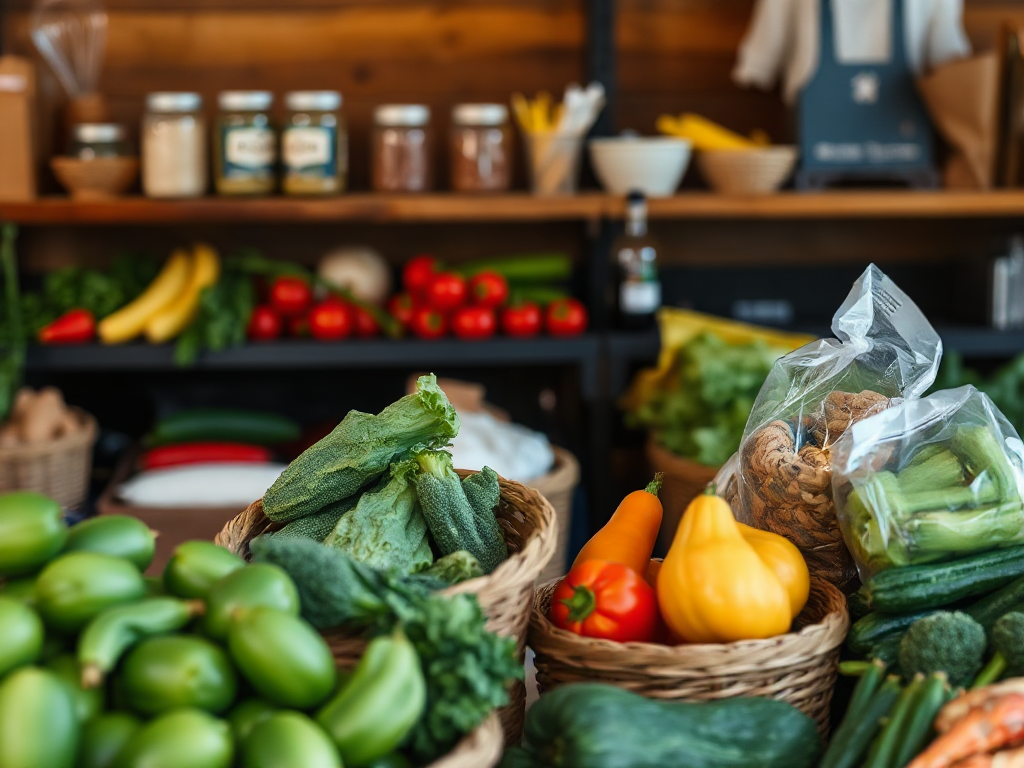
To ensure your organic food is fresh, prioritize buying from reputable sources, check for proper storage conditions, and inspect for signs of spoilage. Fresh organic produce should be free from blemishes and have vibrant colors. Additionally, understanding the harvest and delivery times can help you choose the freshest options available.
Understanding Freshness in Organic Foods
Freshness in organic foods is crucial for both quality and nutritional value. Organic produce is typically grown without synthetic pesticides or fertilizers, which means it can have a shorter shelf life compared to conventionally farmed items. The freshness of organic food is influenced by factors such as harvest time, transportation methods, and storage conditions. When purchasing organic produce, understanding the timeline from farm to table can help ensure you are getting the best quality.
For example, fruits and vegetables harvested at their peak ripeness will have better flavor and nutrients. When organic produce is transported, it should ideally be done quickly and under conditions that minimize damage. This means that buying from local farmers’ markets or community-supported agriculture (CSA) programs can often yield fresher options than those shipped long distances.
Understanding Freshness in Organic Foods matters because it turns ensure your organic food is fresh from a broad idea into a decision the reader can actually apply. The practical difference usually shows up in the details: how much is needed, when the choice is made, what tradeoff is acceptable, and what sign shows the approach is working. For nutrition topics, the strongest advice connects portion size, food quality, timing, and recovery instead of treating every meal as a fixed serving.
A useful way to handle this section is to compare the normal baseline with the situation that creates extra demand. If organic is the baseline concern, then ensure becomes the adjustment point and food becomes the outcome to watch. That keeps the advice specific without forcing the reader into a rigid formula that may not fit their routine, budget, tolerance, schedule, or current level of experience.
The most common mistake is changing too many variables at once. A better approach is to choose one measurable adjustment, use it consistently long enough to see a pattern, and then refine the next step based on energy, comfort, performance, safety, or reliability. This makes the guidance easier to trust because the reader can connect the recommendation to what they observe rather than guessing from a generic checklist.
The practical takeaway is to make the section actionable: identify the main constraint, choose the smallest useful change, and compare the result against the goal. When the outcome improves, the reader can keep the approach. When it does not, the next change should target the most likely bottleneck rather than repeating the same step with more effort.
Buying Tips for Fresh Organic Produce
When looking to purchase fresh organic food, it’s important to choose your sources wisely. Start by selecting reputable stores or markets known for their commitment to quality organic products. Look for organic certifications that assure you the food meets specific standards.
Here are some practical tips for buying fresh organic produce:
- Check for Local Options: Local farms or farmers’ markets often have the freshest produce since it is picked closer to your purchase time.
- Inspect Packaging: If you’re buying packaged organic foods, ensure the packaging is intact and check the expiration dates.
- Ask Questions: Don’t hesitate to ask store staff about the sourcing of their organic products, including when they were harvested.
Additionally, look for seasonal produce. Foods that are in season are not only fresher but also more flavorful and often more affordable. When browsing through organic options, prioritize those that are vibrant in color, firm to the touch, and free from blemishes.
Buying Tips for Fresh Organic Produce matters because it turns ensure your organic food is fresh from a broad idea into a decision the reader can actually apply. The practical difference usually shows up in the details: how much is needed, when the choice is made, what tradeoff is acceptable, and what sign shows the approach is working. For nutrition topics, the strongest advice connects portion size, food quality, timing, and recovery instead of treating every meal as a fixed serving.
A useful way to handle this section is to compare the normal baseline with the situation that creates extra demand. If organic is the baseline concern, then fresh becomes the adjustment point and food becomes the outcome to watch. That keeps the advice specific without forcing the reader into a rigid formula that may not fit their routine, budget, tolerance, schedule, or current level of experience.
Storage Techniques to Maintain Freshness
Proper storage is essential to maintain the freshness of organic foods. Different types of produce require different storage methods to keep them at their best. For instance, leafy greens should be stored in a crisper drawer with high humidity, while root vegetables prefer a cooler, dark place.
Here are some effective storage techniques:
- Refrigeration: Most perishable organic produce should be kept in the refrigerator. Use breathable bags for items like apples and carrots to maintain moisture without causing mold.
- Room Temperature: Some fruits, like bananas and avocados, should be stored at room temperature until ripe. Once ripe, you can refrigerate them to prolong freshness.
- Freezing: If you have excess organic produce, consider freezing it. Blanching vegetables before freezing can help preserve color and nutrients.
Understanding how to store each type of organic food can significantly extend its freshness, reducing waste and enhancing your meals.
Storage Techniques to Maintain Freshness matters because it turns ensure your organic food is fresh from a broad idea into a decision the reader can actually apply. The practical difference usually shows up in the details: how much is needed, when the choice is made, what tradeoff is acceptable, and what sign shows the approach is working. For nutrition topics, the strongest advice connects portion size, food quality, timing, and recovery instead of treating every meal as a fixed serving.
A useful way to handle this section is to compare the normal baseline with the situation that creates extra demand. If organic is the baseline concern, then storage becomes the adjustment point and freshness becomes the outcome to watch. That keeps the advice specific without forcing the reader into a rigid formula that may not fit their routine, budget, tolerance, schedule, or current level of experience.
Signs of Spoilage and How to Avoid It
Recognizing the signs of spoilage in organic foods is crucial to ensuring safety and quality. Unlike conventional produce, organic foods may not have preservatives, making them more susceptible to spoilage. Common signs include discoloration, unusual odors, and mold growth.
To avoid spoilage, regularly check your organic produce and remove any items that show signs of decay. For example, if you notice soft spots on a fruit, it’s best to consume it quickly or discard it to prevent it from affecting other items. Always wash your organic produce before consumption, as this can help remove any surface bacteria that may have developed.
Additionally, consider using your senses—sight, smell, and touch—when evaluating freshness. A slight change in texture or an off smell can indicate that the food is past its prime. Prioritize consuming organic foods that are more perishable first to maximize freshness.
Signs of Spoilage and How to Avoid It matters because it turns ensure your organic food is fresh from a broad idea into a decision the reader can actually prevent. The practical difference usually shows up in the details: how much is needed, when the choice is made, what tradeoff is acceptable, and what sign shows the approach is working. For nutrition topics, the strongest advice connects portion size, food quality, timing, and recovery instead of treating every meal as a fixed serving.
A useful way to handle this section is to compare the normal baseline with the situation that creates extra demand. If organic is the baseline concern, then signs becomes the adjustment point and spoilage becomes the outcome to watch. That keeps the advice specific without forcing the reader into a rigid formula that may not fit their routine, budget, tolerance, schedule, or current level of experience.
Frequently Asked Questions
How can I tell if my organic produce is fresh?
Fresh organic produce should be vibrant in color, firm to the touch, and free from blemishes or soft spots.
Is it safe to eat organic food after the expiration date?
While some organic foods may be safe to eat past their expiration date, it’s essential to inspect them for signs of spoilage before consuming.
What is the best way to store leafy greens?
Leafy greens should be stored in the refrigerator in a crisper drawer, ideally in a breathable bag to maintain humidity.
Can I freeze organic fruits and vegetables?
Yes, freezing is a great way to preserve organic fruits and vegetables. Blanching them before freezing can help maintain their quality.
Why are local organic foods often fresher?
Local organic foods are typically fresher because they are harvested closer to the time of sale, reducing transportation time and potential spoilage.
Conclusion
Ensuring your organic food is fresh involves a combination of smart purchasing, proper storage, and vigilant inspection for spoilage. By sourcing from reliable suppliers, understanding how to store different types of organic produce, and recognizing signs of freshness, you can significantly enhance the quality of your meals. Prioritizing these practices not only improves your culinary experience but also supports your health and sustainability goals.