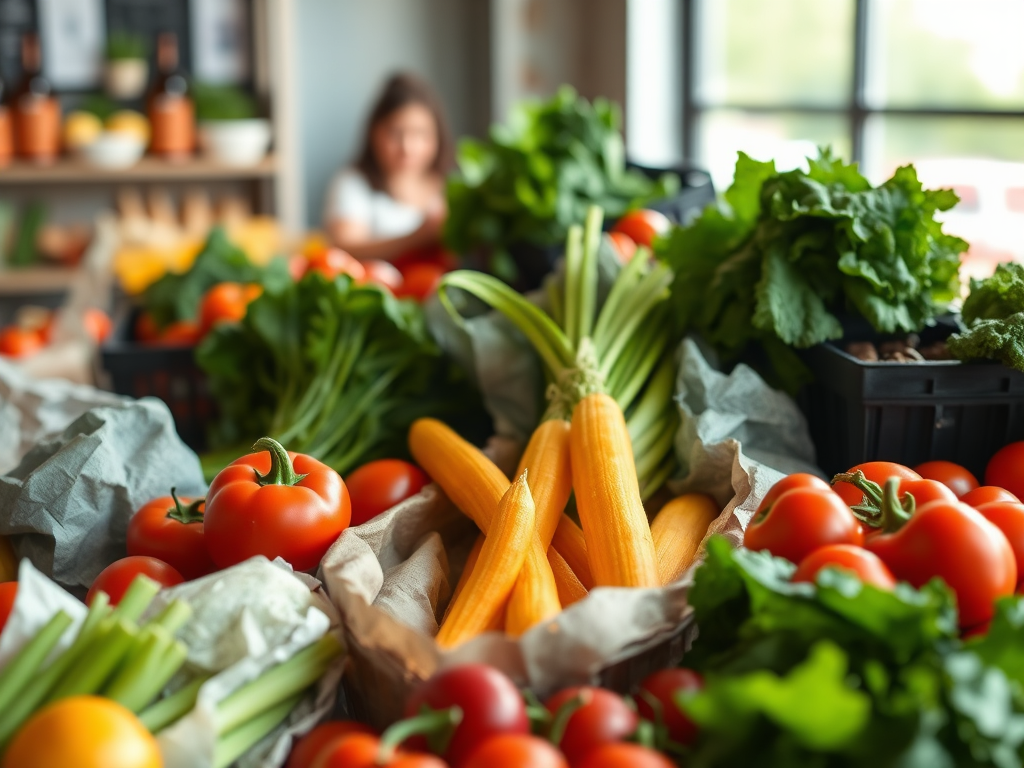
Organic vegetables tend to be more expensive due to higher production costs, limited supply, and rigorous certification processes. Farmers often incur additional expenses for organic fertilizers, pest control methods, and labor, which contribute to the overall price increase. Additionally, the demand for organic produce often outstrips supply, further driving up prices. Understanding these factors can help consumers make informed choices about their purchases.
Understanding Organic Farming Practices
Organic farming practices are fundamentally different from conventional methods, focusing on sustainability and environmental health. Farmers use natural fertilizers, crop rotation, and biological pest control methods instead of synthetic chemicals. This commitment to eco-friendly practices often results in lower yields compared to conventional farming, which can lead to increased prices for organic produce. The labor-intensive methods required for organic farming also contribute to higher costs, as these practices often necessitate more manual labor and careful management.
For example, organic farmers may need to hand-pick pests instead of using chemical pesticides, which can be time-consuming and labor-intensive. The reliance on natural processes also means that organic farmers may face greater risks from pests and diseases, potentially impacting their harvests. Consequently, these practices not only enhance the quality of the produce but also add to the overall cost consumers see at the market.
Understanding Organic Farming Practices matters because it turns organic vegetables can be more expensive from a broad idea into a decision the reader can actually apply. The practical difference usually shows up in the details: how much is needed, when the choice is made, what tradeoff is acceptable, and what sign shows the approach is working. For gardening topics, the strongest advice connects soil conditions, plant needs, timing, and observable growth signals.
A useful way to handle this section is to compare the normal baseline with the situation that creates extra demand. If organic is the baseline concern, then practices becomes the adjustment point and farming becomes the outcome to watch. That keeps the advice specific without forcing the reader into a rigid formula that may not fit their routine, budget, tolerance, schedule, or current level of experience.
The most common mistake is changing too many variables at once. A better approach is to choose one measurable adjustment, use it consistently long enough to see a pattern, and then refine the next step based on energy, comfort, performance, safety, or reliability. This makes the guidance easier to trust because the reader can connect the recommendation to what they observe rather than guessing from a generic checklist.
The practical takeaway is to make the section actionable: identify the main constraint, choose the smallest useful change, and compare the result against the goal. When the outcome improves, the reader can keep the approach. When it does not, the next change should target the most likely bottleneck rather than repeating the same step with more effort.
Cost Factors in Organic Vegetable Production
Several key cost factors contribute to the higher prices of organic vegetables. Firstly, organic certification entails a rigorous and often costly process that requires farmers to adhere to specific standards set by certifying bodies. This process includes regular inspections, documentation, and compliance with organic regulations, which can be financially burdensome for small-scale farmers.
Additionally, organic inputs, such as natural fertilizers and pest control solutions, are often more expensive than their synthetic counterparts. For instance, organic fertilizers derived from compost or manure may cost more than chemical fertilizers, impacting the overall production costs. Furthermore, organic farmers typically experience lower crop yields due to the strict regulations on pesticide use, which can result in less produce to sell and higher prices per unit.
Another significant cost factor is labor. Organic farming often requires more hands-on management, increasing labor costs. Farmers may need to employ additional workers for tasks like weeding and monitoring crops, which can contribute to the overall price of organic vegetables.
Cost Factors in Organic Vegetable Production matters because it turns organic vegetables can be more expensive from a broad idea into a decision the reader can actually apply. The practical difference usually shows up in the details: how much is needed, when the choice is made, what tradeoff is acceptable, and what sign shows the approach is working. For gardening topics, the strongest advice connects soil conditions, plant needs, timing, and observable growth signals.
A useful way to handle this section is to compare the normal baseline with the situation that creates extra demand. If organic is the baseline concern, then vegetables becomes the adjustment point and cost becomes the outcome to watch. That keeps the advice specific without forcing the reader into a rigid formula that may not fit their routine, budget, tolerance, schedule, or current level of experience.
The most common mistake is changing too many variables at once. A better approach is to choose one measurable adjustment, use it consistently long enough to see a pattern, and then refine the next step based on energy, comfort, performance, safety, or reliability. This makes the guidance easier to trust because the reader can connect the recommendation to what they observe rather than guessing from a generic checklist.
Supply and Demand Dynamics
The relationship between supply and demand plays a crucial role in the pricing of organic vegetables. As consumer interest in organic products continues to grow, the demand for organic vegetables often outpaces supply. This imbalance can lead to higher prices, especially when the market is unable to meet consumer expectations.
Local availability also factors into the pricing dynamics. In regions where organic farming is less common, consumers may face even higher prices due to transportation costs and limited access to local organic produce. Conversely, in areas with a higher concentration of organic farms, prices may be more competitive.
Moreover, seasonal variations can significantly impact the supply of organic vegetables. For instance, during off-peak seasons, the limited supply of fresh organic produce can lead to price hikes, as consumers are willing to pay a premium for organic options. Understanding these supply and demand dynamics can help consumers make informed purchasing decisions.
Supply and Demand Dynamics matters because it turns organic vegetables can be more expensive from a broad idea into a decision the reader can actually apply. The practical difference usually shows up in the details: how much is needed, when the choice is made, what tradeoff is acceptable, and what sign shows the approach is working. For technology topics, the strongest advice connects the user goal, system constraint, maintenance burden, and measurable outcome.
A useful way to handle this section is to compare the normal baseline with the situation that creates extra demand. If organic is the baseline concern, then supply becomes the adjustment point and vegetables becomes the outcome to watch. That keeps the advice specific without forcing the reader into a rigid formula that may not fit their routine, budget, tolerance, schedule, or current level of experience.
Consumer Perceptions and Willingness to Pay
Consumer perceptions of organic vegetables also influence pricing. Many consumers associate organic produce with higher quality, better taste, and enhanced nutritional value, which can justify the higher prices. Studies have shown that consumers are often willing to pay a premium for organic vegetables, viewing them as a healthier choice. This willingness to pay can create a favorable market for organic farmers, allowing them to maintain higher prices.
However, there are also misconceptions about organic produce that can affect consumer decisions. Some consumers may believe that all organic vegetables are significantly better than conventional options, which can lead to unrealistic expectations regarding price. Educating consumers about the nuances of organic farming and the factors contributing to higher prices can help them make more informed choices.
Consumer Perceptions and Willingness to Pay matters because it turns organic vegetables can be more expensive from a broad idea into a decision the reader can actually apply. The practical difference usually shows up in the details: how much is needed, when the choice is made, what tradeoff is acceptable, and what sign shows the approach is working. For nutrition topics, the strongest advice connects portion size, food quality, timing, and recovery instead of treating every meal as a fixed serving.
A useful way to handle this section is to compare the normal baseline with the situation that creates extra demand. If organic is the baseline concern, then vegetables becomes the adjustment point and consumers becomes the outcome to watch. That keeps the advice specific without forcing the reader into a rigid formula that may not fit their routine, budget, tolerance, schedule, or current level of experience.
The most common mistake is changing too many variables at once. A better approach is to choose one measurable adjustment, use it consistently long enough to see a pattern, and then refine the next step based on energy, comfort, performance, safety, or reliability. This makes the guidance easier to trust because the reader can connect the recommendation to what they observe rather than guessing from a generic checklist.
Frequently Asked Questions
Why are organic vegetables more expensive than conventional ones?
Organic vegetables are more expensive due to higher production costs, including organic certification, labor-intensive farming practices, and the use of natural fertilizers.
What factors contribute to the high cost of organic certification?
Organic certification involves rigorous standards, regular inspections, and documentation, all of which can be costly and time-consuming for farmers.
How does supply and demand affect organic vegetable prices?
When demand for organic vegetables exceeds supply, prices typically rise. Seasonal availability and local farming practices also influence pricing.
Are organic vegetables worth the extra cost?
Many consumers believe organic vegetables offer better quality and health benefits, making them worth the extra cost, though this can vary based on individual preferences.
What are some misconceptions about organic vegetables?
Some consumers assume that all organic vegetables are superior to conventional ones, which may not always be the case, as quality can vary among products.
Conclusion
Understanding why organic vegetables can be more expensive is crucial for consumers making informed decisions about their food purchases. Factors such as higher production costs, supply and demand dynamics, and consumer perceptions all play a role in determining the prices of organic produce. By recognizing these elements, consumers can better appreciate the value of organic vegetables and make choices that align with their health and environmental values.