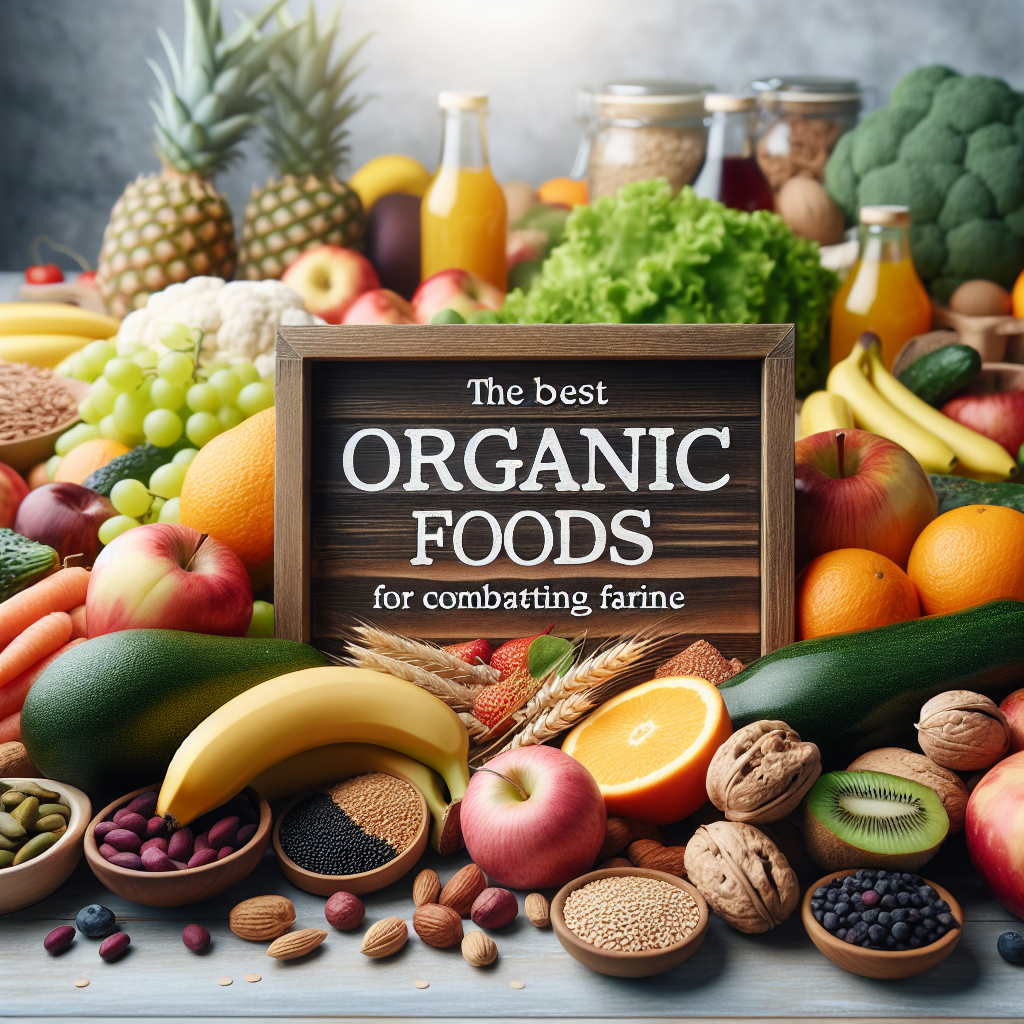
Organic foods that support digestive enzyme production are essential for maintaining a healthy digestive system. Foods like pineapple, papaya, and fermented products such as yogurt and kimchi are particularly beneficial.
Understanding the role of these foods is crucial for anyone looking to optimize their digestive health. By incorporating enzymes from natural sources, individuals can support their body’s ability to digest food more efficiently. Many people overlook the importance of enzyme-rich foods, often relying on supplements instead. Choosing whole, organic foods not only ensures the intake of these vital enzymes but also provides other essential nutrients.
Moreover, it’s important to consider that not all organic foods are created equal. The method of preparation and the freshness of the produce can significantly impact enzyme activity. For example, cooking can denature enzymes, so consuming these foods raw or lightly cooked is preferable. Additionally, individuals may need to experiment with different foods to find what works best for their digestive system.
==> Click Here for the best Certified Organic Product available - at a huge discount!
Pineapple: A Natural Enzyme Powerhouse
Pineapple is renowned for its high bromelain content, a proteolytic enzyme that aids in protein digestion. This enzyme not only helps break down proteins into amino acids but also has anti-inflammatory properties. Eating fresh pineapple can enhance your digestive health and provide a sweet, satisfying treat.
Integrating pineapple into your diet can be simple and enjoyable. Consider adding fresh pineapple chunks to smoothies, salads, or enjoying it as a standalone snack. However, it’s important to note that canned pineapple may not have the same enzyme activity due to processing. To reap maximum benefits, choose fresh, organic pineapple whenever possible.
Many people overlook the potential digestive benefits of pineapple, often associating it solely with its tropical flavor. However, consuming it regularly can lead to noticeable improvements in digestive comfort, particularly for those with protein-heavy diets. Prioritizing fresh pineapple can be an effective strategy for enhancing digestive enzyme production.
Papaya: The Digestive Aid
Papaya is another excellent organic food that supports digestive enzyme production, primarily due to its high papain content. This enzyme is particularly effective in breaking down proteins and can help alleviate digestive discomfort after meals.
Including papaya in your diet can be as easy as adding it to fruit salads, smoothies, or enjoying it as a dessert. It’s best consumed ripe for optimal enzyme activity. Like pineapple, papaya’s natural sweetness makes it a versatile ingredient that can enhance both sweet and savory dishes.
One common mistake is to consume papaya in its unripe state, which lacks the full potency of its digestive enzymes. Therefore, always choose fully ripened papayas to maximize digestive benefits. This simple adjustment can significantly impact your digestive health.
Fermented Foods: Probiotics and Enzymes
Fermented foods such as yogurt, kefir, kimchi, and sauerkraut are rich in probiotics and enzymes that greatly enhance digestive health. These foods not only introduce beneficial bacteria into the gut but also contain enzymes produced during fermentation that assist in food breakdown.
Incorporating a variety of fermented foods into your diet can promote a balanced gut microbiome, which is crucial for optimal digestion. For example, yogurt contains lactobacillus, which can help digest lactose and improve overall gut health. However, be cautious of added sugars in some commercial yogurts.
Many people fail to realize the profound impact that a diverse range of fermented foods can have on their digestion. Regular consumption can lead to improved nutrient absorption and overall digestive comfort. Start small by introducing one new fermented food each week to gauge how your body responds.
Other Beneficial Organic Foods
In addition to pineapple, papaya, and fermented foods, other organic choices can enhance digestive enzyme production. Foods like ginger, garlic, and bananas also support digestion. Ginger is known for its ability to soothe the stomach and improve digestion, while garlic has prebiotic properties that promote healthy gut bacteria.
Bananas, particularly when slightly green, contain resistant starch that acts as a prebiotic, fueling beneficial gut bacteria. Including these foods in your meals can provide a well-rounded approach to enhancing digestive health. Consider adding ginger to smoothies or meals, and enjoy bananas as a convenient snack.
It’s important to recognize that everyone’s digestive system is unique. Experimenting with different combinations of these foods can help identify what works best for your body. Prioritize organic options to avoid pesticides and maximize nutrient intake.

==> Need an Energy Boost? Click Here for the best Organic Product available - at a huge discount!
Further Reading
Authoritative Sources
- The Role of Enzymes in Digestive Health
ncbi.nlm.nih.govThis article discusses the importance of digestive enzymes and their impact on overall health
- Fermented Foods: Benefits and Types
healthline.comA comprehensive overview of various fermented foods and their health benefits
Frequently Asked Questions
What are digestive enzymes?
Digestive enzymes are proteins that help break down food into nutrients that the body can absorb, playing a crucial role in digestion.
How do organic foods enhance enzyme production?
Organic foods often contain higher levels of natural enzymes and nutrients that promote the body’s own production of digestive enzymes.
Can I get enough enzymes from my diet alone?
Yes, incorporating enzyme-rich foods like pineapple, papaya, and fermented products can provide sufficient enzymes for effective digestion.
Are there any side effects of consuming too many enzymes?
Excessive enzyme intake can lead to digestive discomfort; moderation is key when consuming enzyme-rich foods.
How can I include more enzyme-rich foods in my diet?
Start by adding fresh fruits like pineapple and papaya, and incorporating fermented foods such as yogurt and kimchi into your meals.
Conclusion
Incorporating organic foods that support digestive enzyme production into your diet can significantly enhance your digestive health. Key options include pineapple, papaya, and various fermented foods, each offering unique benefits. To optimize digestion, prioritize fresh, organic choices, and consider how preparation methods impact enzyme activity. By understanding and utilizing these foods effectively, you can improve your digestion and overall well-being.