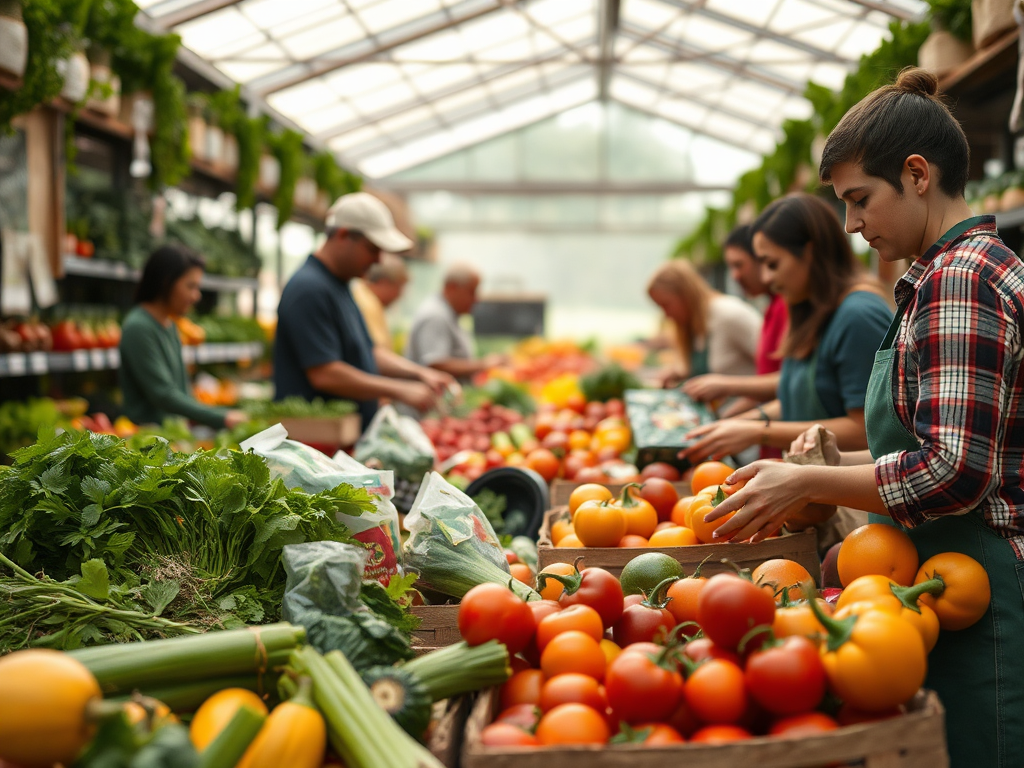
The benefits of local organic produce over imported include superior freshness, enhanced flavor, and reduced environmental impact. Local organic fruits and vegetables are harvested at peak ripeness, leading to better taste and higher nutritional value. Additionally, sourcing produce locally decreases the carbon footprint associated with long-distance transportation, supporting sustainable practices. Consumers also benefit from supporting local economies and farmers.
Nutritional Advantages of Local Organic Produce
Local organic produce often boasts higher nutritional content compared to imported options. This is primarily due to the shorter time between harvest and consumption, which allows fruits and vegetables to retain more vitamins and minerals. For instance, organic tomatoes picked at peak ripeness contain significantly more vitamin C than those harvested early for transport across long distances. Moreover, local farmers typically employ sustainable farming practices that preserve soil health, resulting in more nutrient-dense crops.
Many consumers underestimate the impact of freshness on nutrition. Studies indicate that organic produce, especially when consumed shortly after harvest, can significantly enhance nutrient absorption. Additionally, local organic farms often grow a variety of crops that are well-suited to the local climate, further optimizing the nutritional profile of the produce available to consumers.
Nutritional Advantages of Local Organic Produce matters because it turns the benefits of local organic produce over imported from a broad idea into a decision the reader can actually apply. The practical difference usually shows up in the details: how much is needed, when the choice is made, what tradeoff is acceptable, and what sign shows the approach is working. For nutrition topics, the strongest advice connects portion size, food quality, timing, and recovery instead of treating every meal as a fixed serving.
A useful way to handle this section is to compare the normal baseline with the situation that creates extra demand. If local is the baseline concern, then organic becomes the adjustment point and produce becomes the outcome to watch. That keeps the advice specific without forcing the reader into a rigid formula that may not fit their routine, budget, tolerance, schedule, or current level of experience.
The most common mistake is changing too many variables at once. A better approach is to choose one measurable adjustment, use it consistently long enough to see a pattern, and then refine the next step based on energy, comfort, performance, safety, or reliability. This makes the guidance easier to trust because the reader can connect the recommendation to what they observe rather than guessing from a generic checklist.
The practical takeaway is to make the section actionable: identify the main constraint, choose the smallest useful change, and compare the result against the goal. When the outcome improves, the reader can keep the approach. When it does not, the next change should target the most likely bottleneck rather than repeating the same step with more effort.
Flavor and Freshness: A Taste Comparison
Flavor, local organic produce has a clear advantage over imported varieties. Freshly harvested produce tends to be more flavorful because it is picked at the peak of ripeness. In contrast, imported fruits and vegetables are often harvested before they are fully ripe to withstand long transport times, resulting in diminished flavor. For example, locally sourced strawberries have been found to be sweeter and juicier than those that have been shipped from distant farms.
Furthermore, the variety of crops grown locally can lead to unique flavors that are not available in imported produce. Local farmers may cultivate heirloom varieties that are specifically adapted to the region’s climate, offering consumers a broader range of tastes and textures. This not only enhances the eating experience but also encourages biodiversity in agriculture, which is crucial for sustainable farming practices.
Flavor and Freshness: A Taste Comparison matters because it turns the benefits of local organic produce over imported from a broad idea into a decision the reader can actually apply. The practical difference usually shows up in the details: how much is needed, when the choice is made, what tradeoff is acceptable, and what sign shows the approach is working. For gardening topics, the strongest advice connects soil conditions, plant needs, timing, and observable growth signals.
A useful way to handle this section is to compare the normal baseline with the situation that creates extra demand. If produce is the baseline concern, then imported becomes the adjustment point and local becomes the outcome to watch. That keeps the advice specific without forcing the reader into a rigid formula that may not fit their routine, budget, tolerance, schedule, or current level of experience.
The most common mistake is changing too many variables at once. A better approach is to choose one measurable adjustment, use it consistently long enough to see a pattern, and then refine the next step based on energy, comfort, performance, safety, or reliability. This makes the guidance easier to trust because the reader can connect the recommendation to what they observe rather than guessing from a generic checklist.
The practical takeaway is to make the section actionable: identify the main constraint, choose the smallest useful change, and compare the result against the goal. When the outcome improves, the reader can keep the approach. When it does not, the next change should target the most likely bottleneck rather than repeating the same step with more effort.
Environmental Benefits of Sourcing Locally
Sourcing organic produce locally significantly reduces the environmental impact associated with food transportation. Imported produce often travels thousands of miles, contributing to greenhouse gas emissions through transportation. By choosing local organic options, consumers can help decrease their carbon footprint. This is especially important in the context of climate change, where every small effort counts.
Additionally, local organic farms tend to utilize sustainable practices that promote soil health, reduce pesticide use, and conserve water. These methods not only benefit the environment but also ensure that local ecosystems remain healthy and productive. For example, many local farmers practice crop rotation and organic pest management, which help maintain the ecological balance in their farming systems.
Environmental Benefits of Sourcing Locally matters because it turns the benefits of local organic produce over imported from a broad idea into a decision the reader can actually apply. The practical difference usually shows up in the details: how much is needed, when the choice is made, what tradeoff is acceptable, and what sign shows the approach is working. For nutrition topics, the strongest advice connects portion size, food quality, timing, and recovery instead of treating every meal as a fixed serving.
A useful way to handle this section is to compare the normal baseline with the situation that creates extra demand. If local is the baseline concern, then organic becomes the adjustment point and produce becomes the outcome to watch. That keeps the advice specific without forcing the reader into a rigid formula that may not fit their routine, budget, tolerance, schedule, or current level of experience.
The most common mistake is changing too many variables at once. A better approach is to choose one measurable adjustment, use it consistently long enough to see a pattern, and then refine the next step based on energy, comfort, performance, safety, or reliability. This makes the guidance easier to trust because the reader can connect the recommendation to what they observe rather than guessing from a generic checklist.
Supporting Local Economies and Communities
Buying local organic produce supports community economies by keeping money within the local area. When consumers purchase from local farmers, they contribute to job creation and the sustainability of local farms. This, in turn, fosters a sense of community and encourages social responsibility among consumers.
Moreover, supporting local agriculture can lead to stronger relationships between consumers and producers. Farmers’ markets and community-supported agriculture (CSA) programs allow consumers to connect with the people who grow their food, fostering trust and transparency in food sourcing. This direct relationship can enhance consumer awareness about agricultural practices and empower them to make informed choices about their diets.
Supporting Local Economies and Communities matters because it turns the benefits of local organic produce over imported from a broad idea into a decision the reader can actually apply. The practical difference usually shows up in the details: how much is needed, when the choice is made, what tradeoff is acceptable, and what sign shows the approach is working. For nutrition topics, the strongest advice connects portion size, food quality, timing, and recovery instead of treating every meal as a fixed serving.
A useful way to handle this section is to compare the normal baseline with the situation that creates extra demand. If local is the baseline concern, then consumers becomes the adjustment point and organic becomes the outcome to watch. That keeps the advice specific without forcing the reader into a rigid formula that may not fit their routine, budget, tolerance, schedule, or current level of experience.
The most common mistake is changing too many variables at once. A better approach is to choose one measurable adjustment, use it consistently long enough to see a pattern, and then refine the next step based on energy, comfort, performance, safety, or reliability. This makes the guidance easier to trust because the reader can connect the recommendation to what they observe rather than guessing from a generic checklist.
Frequently Asked Questions
What are the main benefits of local organic produce?
Local organic produce offers superior freshness, enhanced flavor, and nutritional advantages, while also reducing environmental impact.
How does local produce support the environment?
Local produce reduces transportation emissions and promotes sustainable farming practices that protect soil health and biodiversity.
Why is local organic produce often more flavorful?
Local organic produce is typically harvested at peak ripeness, resulting in better flavor compared to imported produce, which is often picked early.
How does buying local organic help the economy?
Purchasing local organic produce supports local farmers, creates jobs, and keeps money within the community, fostering economic growth.
What types of crops are typically grown locally?
Local farmers often grow a variety of crops suited to the regional climate, including unique heirloom varieties that may not be available in stores.
Conclusion
Choosing local organic produce over imported options significantly enhances the nutritional quality, flavor, and environmental sustainability of your diet. By supporting local farmers, you not only enjoy fresher and tastier options but also contribute to the well-being of your community and the environment. Prioritizing local purchases can lead to a more resilient food system and a healthier planet.