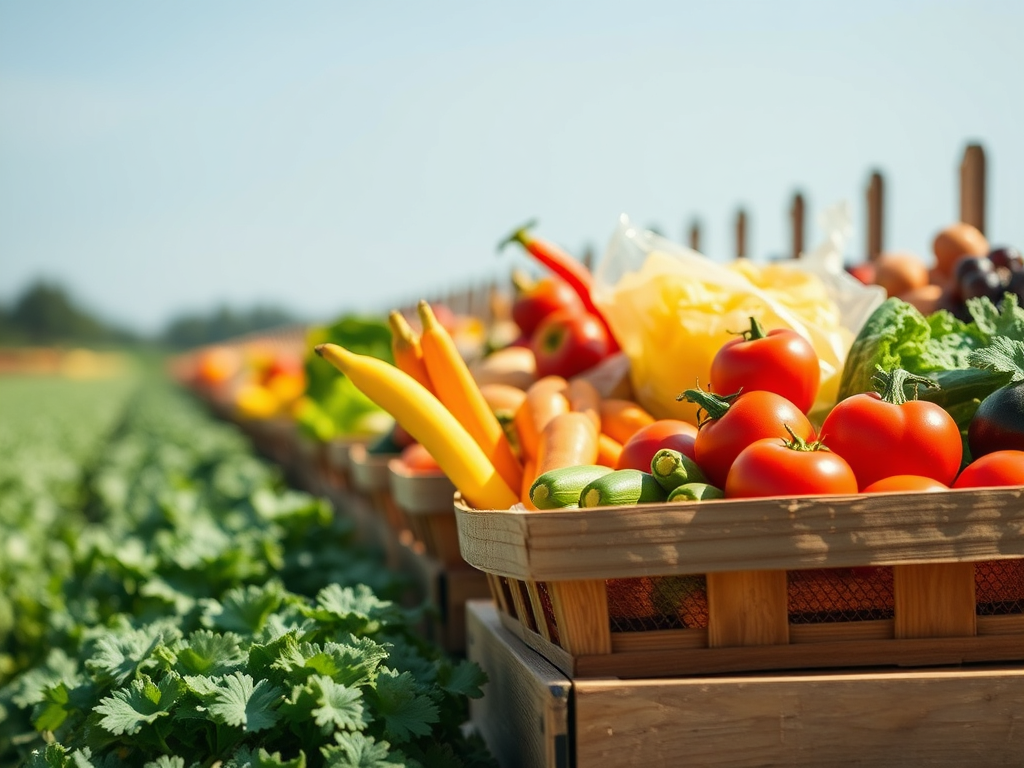
The effects of seasonal changes on organic food availability directly impact the types and quantities of produce accessible throughout the year. Seasonal variations influence crop cycles, which dictate when certain organic foods are harvested. These changes can lead to fluctuations in market supply and prices, affecting consumer access to fresh organic produce. Additionally, understanding these seasonal patterns helps consumers plan their purchases to obtain the freshest and most affordable organic options.
The Importance of Seasonal Awareness in Organic Farming
Seasonal changes play a crucial role in organic food availability, as they directly influence agricultural practices and crop yields. Farmers depend on seasonal patterns to determine planting and harvesting schedules, which in turn affects the types of organic produce available at any given time. Understanding these seasonal changes helps consumers make informed purchasing decisions and supports local agricultural economies.
For instance, organic fruits and vegetables thrive during specific seasons, and consumers can benefit from purchasing these products when they are at their peak freshness and nutritional value. Additionally, being aware of seasonal availability encourages consumers to explore diverse foods, promoting a varied and healthy diet.
The Importance of Seasonal Awareness in Organic Farming matters because it turns the effects of seasonal changes on organic food availability from a broad idea into a decision the reader can actually apply. The practical difference usually shows up in the details: how much is needed, when the choice is made, what tradeoff is acceptable, and what sign shows the approach is working. For nutrition topics, the strongest advice connects portion size, food quality, timing, and recovery instead of treating every meal as a fixed serving.
A useful way to handle this section is to compare the normal baseline with the situation that creates extra demand. If seasonal is the baseline concern, then organic becomes the adjustment point and changes becomes the outcome to watch. That keeps the advice specific without forcing the reader into a rigid formula that may not fit their routine, budget, tolerance, schedule, or current level of experience.
The most common mistake is changing too many variables at once. A better approach is to choose one measurable adjustment, use it consistently long enough to see a pattern, and then refine the next step based on energy, comfort, performance, safety, or reliability. This makes the guidance easier to trust because the reader can connect the recommendation to what they observe rather than guessing from a generic checklist.
Crop Cycles and Their Impact on Availability
Crop cycles are significantly affected by seasonal changes, with different crops requiring specific conditions for optimal growth. For example, cool-season crops like lettuce, spinach, and peas are typically planted in early spring and harvested by late spring or early summer. Conversely, warm-season crops such as tomatoes, peppers, and squash thrive in the summer months.
These cycles impact not only the types of organic foods available but also their quality and prices. When crops are in season, consumers can expect fresher produce at lower prices due to higher supply. In contrast, out-of-season produce may be imported or stored, leading to higher costs and potentially reduced quality.
Farmers often plan their crop rotations based on these seasonal patterns to maximize yield and sustainability. For example, rotating crops can improve soil health and reduce pest pressures, ultimately contributing to a more stable supply of organic food.
Crop Cycles and Their Impact on Availability matters because it turns the effects of seasonal changes on organic food availability from a broad idea into a decision the reader can actually apply. The practical difference usually shows up in the details: how much is needed, when the choice is made, what tradeoff is acceptable, and what sign shows the approach is working. For nutrition topics, the strongest advice connects portion size, food quality, timing, and recovery instead of treating every meal as a fixed serving.
A useful way to handle this section is to compare the normal baseline with the situation that creates extra demand. If crops is the baseline concern, then seasonal becomes the adjustment point and organic becomes the outcome to watch. That keeps the advice specific without forcing the reader into a rigid formula that may not fit their routine, budget, tolerance, schedule, or current level of experience.
The most common mistake is changing too many variables at once. A better approach is to choose one measurable adjustment, use it consistently long enough to see a pattern, and then refine the next step based on energy, comfort, performance, safety, or reliability. This makes the guidance easier to trust because the reader can connect the recommendation to what they observe rather than guessing from a generic checklist.
The practical takeaway is to make the section actionable: identify the main constraint, choose the smallest useful change, and compare the result against the goal. When the outcome improves, the reader can keep the approach. When it does not, the next change should target the most likely bottleneck rather than repeating the same step with more effort.
Market Fluctuations and Consumer Behavior
As the seasons change, so do market dynamics for organic food. Seasonal availability impacts not only the supply of organic produce but also consumer demand. During peak harvest seasons, there is typically an abundance of fresh organic foods, leading to lower prices. Conversely, during off-seasons, prices may rise due to scarcity.
Consumer behavior is influenced by these fluctuations; many people prefer to buy seasonal produce to support local farmers and enjoy fresher options. Additionally, understanding market trends can help consumers plan their meals and budgets more effectively. For instance, buying in bulk during peak seasons and preserving foods through freezing or canning can help mitigate costs during off-seasons.
Market Fluctuations and Consumer Behavior matters because it turns the effects of seasonal changes on organic food availability from a broad idea into a decision the reader can actually apply. The practical difference usually shows up in the details: how much is needed, when the choice is made, what tradeoff is acceptable, and what sign shows the approach is working. For nutrition topics, the strongest advice connects portion size, food quality, timing, and recovery instead of treating every meal as a fixed serving.
A useful way to handle this section is to compare the normal baseline with the situation that creates extra demand. If organic is the baseline concern, then seasonal becomes the adjustment point and market becomes the outcome to watch. That keeps the advice specific without forcing the reader into a rigid formula that may not fit their routine, budget, tolerance, schedule, or current level of experience.
The most common mistake is changing too many variables at once. A better approach is to choose one measurable adjustment, use it consistently long enough to see a pattern, and then refine the next step based on energy, comfort, performance, safety, or reliability. This makes the guidance easier to trust because the reader can connect the recommendation to what they observe rather than guessing from a generic checklist.
Practical Strategies for Consumers
To navigate the effects of seasonal changes on organic food availability, consumers can adopt several practical strategies. First, staying informed about local growing seasons can help individuals make better decisions about when to purchase specific organic foods. This knowledge can lead to fresher produce and better prices.
Another effective approach is to shop at local farmers’ markets, where seasonal produce is often more readily available. Engaging with local farmers can also provide insights into upcoming crops and seasonal specialties.
Lastly, consumers can consider joining a Community Supported Agriculture (CSA) program, which allows them to receive regular deliveries of seasonal organic produce directly from local farms. This not only supports local agriculture but also encourages consumers to try new foods they may not have otherwise considered.
Practical Strategies for Consumers matters because it turns the effects of seasonal changes on organic food availability from a broad idea into a decision the reader can actually apply. The practical difference usually shows up in the details: how much is needed, when the choice is made, what tradeoff is acceptable, and what sign shows the approach is working. For nutrition topics, the strongest advice connects portion size, food quality, timing, and recovery instead of treating every meal as a fixed serving.
A useful way to handle this section is to compare the normal baseline with the situation that creates extra demand. If seasonal is the baseline concern, then organic becomes the adjustment point and local becomes the outcome to watch. That keeps the advice specific without forcing the reader into a rigid formula that may not fit their routine, budget, tolerance, schedule, or current level of experience.
The most common mistake is changing too many variables at once. A better approach is to choose one measurable adjustment, use it consistently long enough to see a pattern, and then refine the next step based on energy, comfort, performance, safety, or reliability. This makes the guidance easier to trust because the reader can connect the recommendation to what they observe rather than guessing from a generic checklist.
Frequently Asked Questions
How do seasonal changes affect the nutritional value of organic produce?
Seasonal changes can influence the nutritional value of organic produce, as fruits and vegetables harvested at their peak ripeness typically offer higher nutrient content compared to those harvested early or late in the growing season.
What are the benefits of buying seasonal organic foods?
Buying seasonal organic foods often means fresher produce, better flavor, and lower prices due to higher availability. It also supports local farmers and reduces the carbon footprint associated with transporting out-of-season produce.
How can I find out what organic foods are in season?
Local agricultural extensions, farmers' markets, and online resources can provide information about seasonal organic foods in your area. Many regions have seasonal charts that outline when specific crops are typically harvested.
Are there any drawbacks to eating only seasonal foods?
While eating seasonal foods has many benefits, it can limit variety in your diet during certain times of the year. To mitigate this, consider preserving seasonal produce through canning or freezing.
What role do climate changes play in seasonal organic food availability?
Climate changes can disrupt traditional growing seasons, leading to shifts in crop cycles and availability. Farmers may need to adapt their practices to cope with these changes, which can impact the consistency of organic food supply.
Conclusion
Understanding the effects of seasonal changes on organic food availability is essential for making informed purchasing decisions. By being aware of crop cycles and market fluctuations, consumers can enjoy fresher, more affordable organic produce while supporting local agriculture. Implementing practical strategies such as shopping at farmers’ markets and participating in CSA programs can further enhance your experience with seasonal organic foods. Prioritizing seasonal produce not only benefits your health but also contributes to the sustainability of the food system.