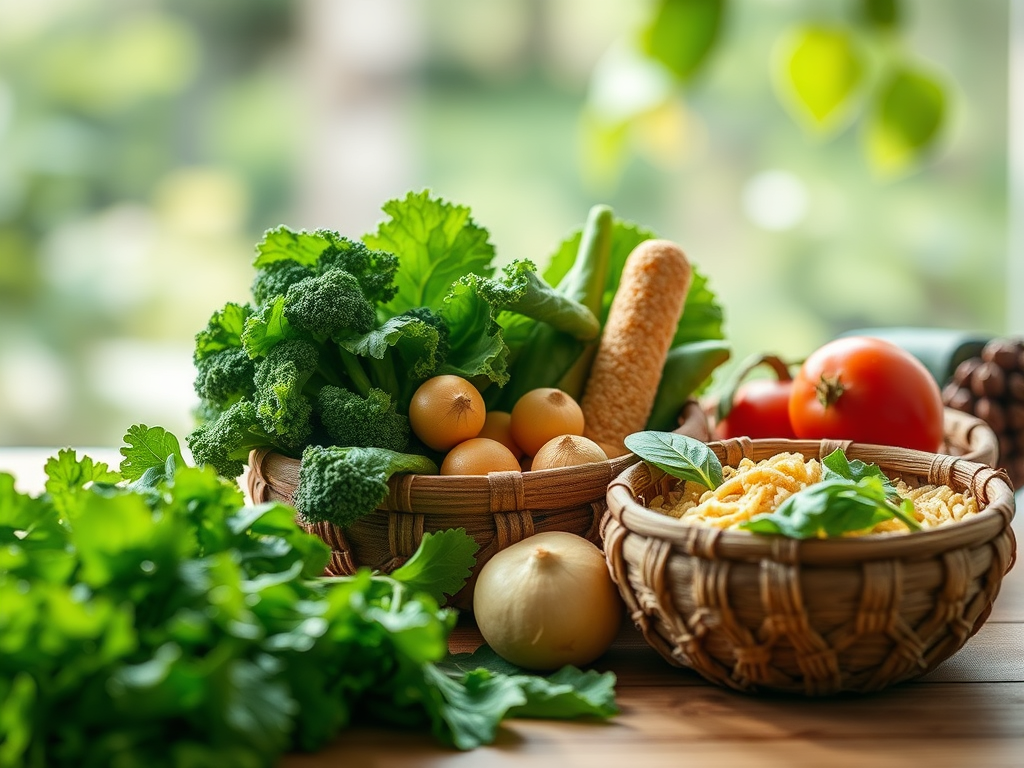
The role of organic foods in gut health is significant, as they often contain higher levels of nutrients and fewer harmful chemicals than conventional foods. Organic foods can support a healthy gut microbiome due to their rich content of fiber, antioxidants, and probiotics, which promote digestion and overall gut function. Choosing organic options may also reduce exposure to pesticides and additives that can disrupt gut health, making them a beneficial choice for maintaining digestive wellness.
Understanding Gut Health and Its Importance
Gut health is a crucial aspect of overall well-being, affecting digestion, immunity, and even mental health. The gut microbiome, which consists of trillions of microorganisms, plays a vital role in breaking down food, synthesizing vitamins, and protecting against pathogens. A balanced microbiome is linked to reduced inflammation, improved digestion, and enhanced nutrient absorption.
Organic foods are often richer in beneficial compounds that promote gut health, such as dietary fiber, which aids in digestion and regulates bowel movements. Additionally, the absence of synthetic pesticides and fertilizers in organic farming may contribute to a healthier gut microbiome.
Understanding Gut Health and Its Importance matters because it turns the role of organic foods in gut health from a broad idea into a decision the reader can actually apply. The practical difference usually shows up in the details: how much is needed, when the choice is made, what tradeoff is acceptable, and what sign shows the approach is working. For nutrition topics, the strongest advice connects portion size, food quality, timing, and recovery instead of treating every meal as a fixed serving.
A useful way to handle this section is to compare the normal baseline with the situation that creates extra demand. If health is the baseline concern, then organic becomes the adjustment point and role becomes the outcome to watch. That keeps the advice specific without forcing the reader into a rigid formula that may not fit their routine, budget, tolerance, schedule, or current level of experience.
The most common mistake is changing too many variables at once. A better approach is to choose one measurable adjustment, use it consistently long enough to see a pattern, and then refine the next step based on energy, comfort, performance, safety, or reliability. This makes the guidance easier to trust because the reader can connect the recommendation to what they observe rather than guessing from a generic checklist.
The practical takeaway is to make the section actionable: identify the main constraint, choose the smallest useful change, and compare the result against the goal. When the outcome improves, the reader can keep the approach. When it does not, the next change should target the most likely bottleneck rather than repeating the same step with more effort.
Nutritional Benefits of Organic Foods
Organic foods are known for their potential nutritional advantages. Research suggests that organic produce may contain higher levels of vitamins, minerals, and antioxidants compared to conventionally grown counterparts. For instance, studies have shown that organic fruits and vegetables can have up to 50% more antioxidants, which help combat oxidative stress and promote gut health.
Furthermore, organic dairy products and meats often come from animals raised without antibiotics or growth hormones, ensuring a cleaner source of protein and fats. These nutrients are essential for maintaining a healthy gut lining and supporting the microbiome.
Incorporating a variety of organic foods, such as leafy greens, berries, and whole grains, can provide the necessary nutrients for optimal gut function. This diversity not only supports gut health but also enhances overall nutrition.
Nutritional Benefits of Organic Foods matters because it turns the role of organic foods in gut health from a broad idea into a decision the reader can actually apply. The practical difference usually shows up in the details: how much is needed, when the choice is made, what tradeoff is acceptable, and what sign shows the approach is working. For nutrition topics, the strongest advice connects portion size, food quality, timing, and recovery instead of treating every meal as a fixed serving.
A useful way to handle this section is to compare the normal baseline with the situation that creates extra demand. If organic is the baseline concern, then foods becomes the adjustment point and health becomes the outcome to watch. That keeps the advice specific without forcing the reader into a rigid formula that may not fit their routine, budget, tolerance, schedule, or current level of experience.
The most common mistake is changing too many variables at once. A better approach is to choose one measurable adjustment, use it consistently long enough to see a pattern, and then refine the next step based on energy, comfort, performance, safety, or reliability. This makes the guidance easier to trust because the reader can connect the recommendation to what they observe rather than guessing from a generic checklist.
The practical takeaway is to make the section actionable: identify the main constraint, choose the smallest useful change, and compare the result against the goal. When the outcome improves, the reader can keep the approach. When it does not, the next change should target the most likely bottleneck rather than repeating the same step with more effort.
Impact of Pesticides and Additives on Gut Health
Conventional farming practices often involve the use of synthetic pesticides and additives that can negatively impact gut health. These chemicals may disrupt the gut microbiome, leading to dysbiosis, which is an imbalance of gut bacteria associated with various health issues, including digestive disorders, allergies, and autoimmune diseases.
Research indicates that exposure to pesticides can alter gut microbiota composition, reducing the diversity of beneficial bacteria. This alteration can impair digestion and nutrient absorption, making it essential to consider the source of food. Organic foods, being free from these harmful substances, provide a safer alternative that supports gut health.
Impact of Pesticides and Additives on Gut Health matters because it turns the role of organic foods in gut health from a broad idea into a decision the reader can actually apply. The practical difference usually shows up in the details: how much is needed, when the choice is made, what tradeoff is acceptable, and what sign shows the approach is working. For nutrition topics, the strongest advice connects portion size, food quality, timing, and recovery instead of treating every meal as a fixed serving.
A useful way to handle this section is to compare the normal baseline with the situation that creates extra demand. If health is the baseline concern, then organic becomes the adjustment point and foods becomes the outcome to watch. That keeps the advice specific without forcing the reader into a rigid formula that may not fit their routine, budget, tolerance, schedule, or current level of experience.
Choosing Organic: Practical Tips
When selecting organic foods, it’s important to prioritize items that are most likely to be contaminated with pesticides. The Environmental Working Group (EWG) publishes a list of produce known as the “Dirty Dozen,” which highlights fruits and vegetables with the highest pesticide residues. Opting for organic versions of these items can significantly reduce chemical exposure.
Additionally, consider purchasing organic grains, legumes, and dairy products, as these can also contribute to a balanced diet and support gut health. Reading labels and understanding certification standards can also help ensure that the products you choose are genuinely organic.
Choosing Organic: Practical Tips matters because it turns the role of organic foods in gut health from a broad idea into a decision the reader can actually apply. The practical difference usually shows up in the details: how much is needed, when the choice is made, what tradeoff is acceptable, and what sign shows the approach is working. For nutrition topics, the strongest advice connects portion size, food quality, timing, and recovery instead of treating every meal as a fixed serving.
A useful way to handle this section is to compare the normal baseline with the situation that creates extra demand. If organic is the baseline concern, then foods becomes the adjustment point and health becomes the outcome to watch. That keeps the advice specific without forcing the reader into a rigid formula that may not fit their routine, budget, tolerance, schedule, or current level of experience.
The most common mistake is changing too many variables at once. A better approach is to choose one measurable adjustment, use it consistently long enough to see a pattern, and then refine the next step based on energy, comfort, performance, safety, or reliability. This makes the guidance easier to trust because the reader can connect the recommendation to what they observe rather than guessing from a generic checklist.
Frequently Asked Questions
What are the main benefits of organic foods for gut health?
Organic foods provide higher levels of nutrients, antioxidants, and fiber while avoiding harmful pesticides, supporting a balanced gut microbiome.
How do pesticides affect gut health?
Pesticides can disrupt gut microbiota, leading to dysbiosis, which may result in digestive issues and other health problems.
Are all organic foods healthier than conventional ones?
While organic foods generally have fewer chemicals, the nutritional content can vary; it's essential to choose a diverse range of organic options.
Can organic foods help with digestive issues?
Yes, organic foods rich in fiber and nutrients can promote better digestion and support gut health, which may alleviate some digestive issues.
How can I incorporate more organic foods into my diet?
Start by prioritizing organic versions of the Dirty Dozen, experimenting with organic grains, and shopping at local farmers' markets.
Conclusion
Prioritizing organic foods can significantly enhance gut health by providing essential nutrients while minimizing exposure to harmful chemicals. By understanding the benefits of organic produce, dairy, and meats, consumers can make informed choices that support their digestive wellness. Incorporating a variety of organic foods into your diet not only benefits your gut but also promotes overall health. To maximize these benefits, focus on selecting organic options for the most pesticide-laden foods and explore local organic products whenever possible.