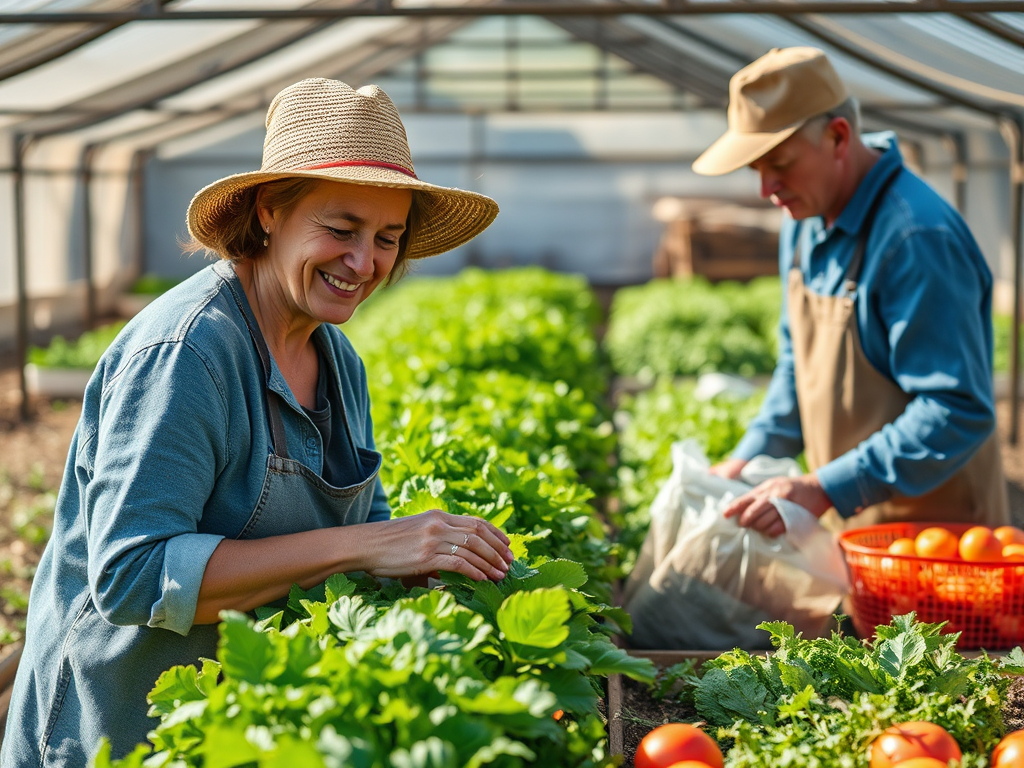
The Impact of Organic Farming on Local Economies: Benefits and Challenges is best handled by matching the recommendation to the main goal, practical constraint, timing, tradeoffs, and signs of progress. Start with the clearest need, choose one practical adjustment, and measure whether it improves the result before changing anything else. A stronger approach compares the most reliable option with the easiest shortcut, then uses the reader’s actual response to decide what comes next. This keeps the guidance useful, specific, and easier to apply without turning the article into a generic checklist.
Economic Growth Through Organic Farming
Organic farming significantly contributes to local economies by driving economic growth. This growth is primarily achieved through the increased demand for organic products, which often results in higher prices compared to conventional goods. Farmers can benefit from this price premium, leading to increased revenues and investments in their operations. For instance, a local organic farm that transitions from conventional practices can see a substantial increase in profitability, which in turn can be reinvested into the community.
Moreover, the organic sector attracts consumers who are willing to pay more for sustainably produced food. This trend encourages the establishment of farmers’ markets, organic co-ops, and local food systems that facilitate direct sales between farmers and consumers. Such systems not only create a vibrant local food economy but also keep more money circulating within the community, enhancing overall economic stability.
Economic Growth Through Organic Farming matters because it turns the impact of organic farming on local economies from a broad idea into a decision the reader can actually apply. The practical difference usually shows up in the details: how much is needed, when the choice is made, what tradeoff is acceptable, and what sign shows the approach is working. For nutrition topics, the strongest advice connects portion size, food quality, timing, and recovery instead of treating every meal as a fixed serving.
A useful way to handle this section is to compare the normal baseline with the situation that creates extra demand. If organic is the baseline concern, then local becomes the adjustment point and farming becomes the outcome to watch. That keeps the advice specific without forcing the reader into a rigid formula that may not fit their routine, budget, tolerance, schedule, or current level of experience.
The most common mistake is changing too many variables at once. A better approach is to choose one measurable adjustment, use it consistently long enough to see a pattern, and then refine the next step based on energy, comfort, performance, safety, or reliability. This makes the guidance easier to trust because the reader can connect the recommendation to what they observe rather than guessing from a generic checklist.
The practical takeaway is to make the section actionable: identify the main constraint, choose the smallest useful change, and compare the result against the goal. When the outcome improves, the reader can keep the approach. When it does not, the next change should target the most likely bottleneck rather than repeating the same step with more effort.
Job Creation and Local Employment
One of the most tangible benefits of organic farming is job creation. Organic farms tend to require more labor than conventional farms, particularly during the harvesting and processing seasons. This increased labor demand can lead to job opportunities for local residents, particularly in rural areas where employment options may be limited. For example, a mid-sized organic farm might employ seasonal workers for planting and harvesting, thus providing vital income for families in the area.
Additionally, as organic farming practices grow, there is a corresponding increase in demand for supporting services such as organic certification, agricultural consulting, and distribution networks. These ancillary jobs further contribute to local employment, creating a ripple effect that can enhance the economic landscape of the community.
Job Creation and Local Employment matters because it turns the impact of organic farming on local economies from a broad idea into a decision the reader can actually apply. The practical difference usually shows up in the details: how much is needed, when the choice is made, what tradeoff is acceptable, and what sign shows the approach is working. For gardening topics, the strongest advice connects soil conditions, plant needs, timing, and observable growth signals.
A useful way to handle this section is to compare the normal baseline with the situation that creates extra demand. If organic is the baseline concern, then local becomes the adjustment point and farming becomes the outcome to watch. That keeps the advice specific without forcing the reader into a rigid formula that may not fit their routine, budget, tolerance, schedule, or current level of experience.
The most common mistake is changing too many variables at once. A better approach is to choose one measurable adjustment, use it consistently long enough to see a pattern, and then refine the next step based on energy, comfort, performance, safety, or reliability. This makes the guidance easier to trust because the reader can connect the recommendation to what they observe rather than guessing from a generic checklist.
Supporting Local Businesses
Organic farming not only creates jobs but also supports local businesses. When farmers purchase supplies such as seeds, fertilizers, and equipment from local suppliers, they help sustain those businesses. This local purchasing power can significantly impact the overall health of the community’s economy. Furthermore, organic farms often collaborate with local restaurants and retailers to promote their products, creating mutually beneficial relationships that enhance visibility and sales for both parties.
For instance, an organic farm that partners with a local restaurant can create a farm-to-table experience that attracts customers looking for fresh, locally sourced ingredients. This not only benefits the farm but also boosts the restaurant’s appeal, leading to increased patronage and economic activity in the area.
Supporting Local Businesses matters because it turns the impact of organic farming on local economies from a broad idea into a decision the reader can actually apply. The practical difference usually shows up in the details: how much is needed, when the choice is made, what tradeoff is acceptable, and what sign shows the approach is working. For gardening topics, the strongest advice connects soil conditions, plant needs, timing, and observable growth signals.
A useful way to handle this section is to compare the normal baseline with the situation that creates extra demand. If local is the baseline concern, then organic becomes the adjustment point and impact becomes the outcome to watch. That keeps the advice specific without forcing the reader into a rigid formula that may not fit their routine, budget, tolerance, schedule, or current level of experience.
The most common mistake is changing too many variables at once. A better approach is to choose one measurable adjustment, use it consistently long enough to see a pattern, and then refine the next step based on energy, comfort, performance, safety, or reliability. This makes the guidance easier to trust because the reader can connect the recommendation to what they observe rather than guessing from a generic checklist.
Challenges Facing Organic Farmers
Despite the numerous benefits, organic farming also presents challenges that can impact local economies. One of the primary obstacles is the higher cost of organic inputs and certification processes. Organic farmers often face significant upfront costs for transitioning from conventional practices, which can deter new entrants into the market. Additionally, organic produce may require more labor-intensive practices, which further increases operational costs.
Market access is another challenge. While consumer demand for organic products is growing, competition from larger agricultural firms can make it difficult for small organic farmers to secure shelf space in supermarkets or access broader markets. This limitation can restrict their ability to expand and thrive economically. Strategies such as forming cooperatives or joining local food networks can help mitigate these challenges by providing organic farmers with better market access and shared resources.
Challenges Facing Organic Farmers matters because it turns the impact of organic farming on local economies from a broad idea into a decision the reader can actually apply. The practical difference usually shows up in the details: how much is needed, when the choice is made, what tradeoff is acceptable, and what sign shows the approach is working. For nutrition topics, the strongest advice connects portion size, food quality, timing, and recovery instead of treating every meal as a fixed serving.
A useful way to handle this section is to compare the normal baseline with the situation that creates extra demand. If organic is the baseline concern, then local becomes the adjustment point and challenges becomes the outcome to watch. That keeps the advice specific without forcing the reader into a rigid formula that may not fit their routine, budget, tolerance, schedule, or current level of experience.
Frequently Asked Questions
How does organic farming impact local economies?
Organic farming boosts local economies by creating jobs, increasing local business revenues, and enhancing community resilience through sustainable practices.
What are the economic benefits of organic farming?
Economic benefits include higher market prices for organic products, job creation, and increased support for local businesses through local purchasing.
What challenges do organic farmers face?
Challenges include higher production costs, market access issues, and the complexities of organic certification, which can hinder growth.
How can local economies support organic farmers?
Local economies can support organic farmers by promoting farmers' markets, providing grants or incentives, and encouraging local purchasing from organic farms.
What role do consumers play in supporting organic farming?
Consumers play a crucial role by choosing organic products, which drives demand and encourages more farmers to adopt organic practices.
Conclusion
Organic farming presents a unique opportunity for local economies to thrive through job creation, increased local business support, and sustainable practices. However, the challenges of higher costs and market access must be navigated carefully. Communities that prioritize organic farming can enhance their economic resilience while promoting environmental sustainability. Engaging with local farmers, supporting farmers’ markets, and advocating for policies that benefit organic agriculture are practical steps individuals and communities can take to foster a thriving organic economy.