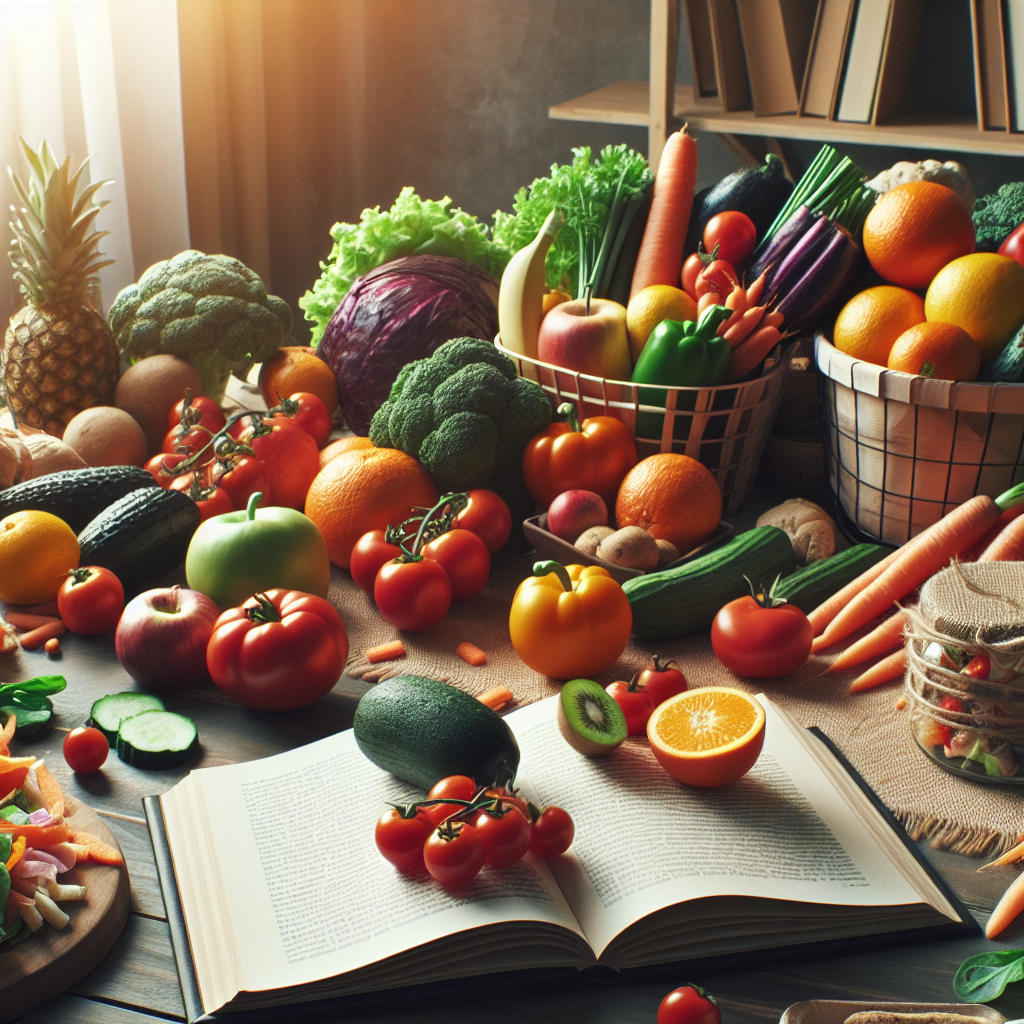
A vegetarian diet for managing cholesterol levels naturally focuses on incorporating a variety of plant-based foods that are rich in fiber, healthy fats, and antioxidants. This approach emphasizes the consumption of fruits, vegetables, whole grains, legumes, nuts, and seeds, all of which can significantly lower LDL cholesterol and promote overall heart health.
Prioritizing whole, minimally processed foods is essential when adopting this dietary pattern. Foods such as oats, barley, and beans are particularly effective due to their high soluble fiber content, which helps reduce cholesterol absorption in the bloodstream. Additionally, incorporating healthy fats from sources like avocados, olive oil, and nuts can improve lipid profiles and support heart health. It’s also important to limit the intake of processed foods and saturated fats commonly found in certain dairy products and baked goods.
A common mistake when transitioning to a vegetarian diet is overlooking the importance of balance and variety. Simply removing meat from meals does not guarantee a healthy diet; it is crucial to ensure that all essential nutrients are included. For instance, vegetarians should pay attention to protein intake, as well as key nutrients like vitamin B12, iron, and omega-3 fatty acids. Consulting with a nutritionist can help tailor a vegetarian plan that meets individual health needs.
==> Click Here for the best Certified Organic Product available - at a huge discount!
Key Foods for Lowering Cholesterol
Incorporating specific foods into a vegetarian diet can significantly impact cholesterol levels. Foods high in soluble fiber, such as oats, beans, and lentils, are particularly effective at lowering LDL cholesterol. These foods work by binding to cholesterol in the digestive system, preventing its absorption into the bloodstream.
Additionally, fruits like apples, citrus, and berries provide pectin, a type of soluble fiber that aids in cholesterol management. Nuts and seeds, particularly walnuts and flaxseeds, are excellent sources of healthy fats and omega-3 fatty acids, which can also help reduce cholesterol levels. It’s important to consume these foods regularly and replace unhealthy snacks with these nutritious options to see tangible results.
Furthermore, integrating whole grains into meals can be beneficial. Quinoa, brown rice, and whole-grain bread not only provide fiber but also essential nutrients that support overall health. Prioritizing these foods while minimizing the intake of refined carbohydrates and sugars is crucial for optimizing cholesterol levels.
Effective Strategies for Implementation
To effectively manage cholesterol levels through a vegetarian diet, meal planning and preparation are key strategies. Planning meals ahead of time ensures that healthy options are readily available and reduces the likelihood of reaching for unhealthy convenience foods. Batch cooking and preparing snacks in advance can make healthy eating more manageable.
Additionally, experimenting with new recipes can keep meals interesting and enjoyable. Incorporating a variety of herbs and spices can enhance flavor without adding unhealthy fats or sugars. Using cooking methods such as steaming, roasting, and grilling can also preserve the nutrients in foods while making them more palatable.
Maintaining a food diary can help track dietary choices and identify patterns that may affect cholesterol levels. This practice allows individuals to adjust their diets as needed and stay accountable to their health goals. Regularly reviewing and adjusting the diet based on personal preferences and nutritional needs is essential for long-term success.
Common Mistakes to Avoid
One of the most significant mistakes people make when adopting a vegetarian diet for cholesterol management is relying too heavily on processed vegetarian products. While these can be convenient, many are high in unhealthy fats, sugars, and sodium, which can counteract the benefits of a plant-based diet. Reading labels and choosing whole foods over processed alternatives is vital.
Another common pitfall is neglecting protein sources. Many individuals assume they will get enough protein from grains and vegetables alone, but it’s essential to include diverse sources such as legumes, tofu, and tempeh. This ensures adequate intake of all essential amino acids and supports overall health while managing cholesterol levels.
Lastly, failing to monitor portions can lead to unintentional weight gain, which negatively affects cholesterol levels. Practicing mindful eating and paying attention to portion sizes can help maintain a healthy weight while following a vegetarian diet.
Long-Term Benefits and Considerations
Adopting a vegetarian diet for managing cholesterol levels naturally can lead to numerous long-term health benefits beyond just improved cholesterol profiles. A well-balanced vegetarian diet is often associated with a lower risk of heart disease, hypertension, and type 2 diabetes. These benefits stem from the high intake of fruits, vegetables, and whole grains, which are rich in vitamins, minerals, and antioxidants.
However, it is essential to remain vigilant about potential nutrient deficiencies, particularly in vitamin B12, iron, and omega-3 fatty acids. Regularly incorporating fortified foods or supplements as needed can help mitigate these risks. Consulting with a healthcare provider for personalized guidance can ensure a balanced approach to nutrition while managing cholesterol levels.
In summary, a vegetarian diet can be a powerful tool for naturally managing cholesterol levels. By focusing on whole, nutrient-dense foods and avoiding processed options, individuals can achieve better health outcomes while enjoying a diverse and satisfying diet.

==> Need an Energy Boost? Click Here for the best Organic Product available - at a huge discount!
Further Reading
A well-informed approach to vegetarian nutrition can maximize the health benefits associated with managing cholesterol levels. For more detailed insights, consider exploring reputable resources such as nutrition journals, health organizations, and dietary guidelines.
Further Reading
Authoritative Sources
- MedlinePlus
medlineplus.govConsumer-friendly medical and health information from the U.S. National Library of Medicine.
- National Institutes of Health
nih.govResearch-based health information and links to authoritative medical resources.
- Centers for Disease Control and Prevention
cdc.govOfficial public health guidance, prevention resources, and topic-specific recommendations.
- Mayo Clinic
mayoclinic.orgTrusted clinical guidance, symptom explainers, and treatment overviews.
- World Health Organization
who.intGlobal health guidance, fact sheets, and evidence-based public health information.
Frequently Asked Questions
What are the best foods for lowering cholesterol on a vegetarian diet?
Foods high in soluble fiber, such as oats, beans, fruits, nuts, and seeds, are among the best for lowering cholesterol.
Can a vegetarian diet provide enough protein?
Yes, by including diverse sources like legumes, tofu, tempeh, and whole grains, a vegetarian diet can meet protein needs.
How quickly can I see results from dietary changes?
Results can vary, but many individuals notice improvements in cholesterol levels within a few weeks to a few months of dietary changes.
Are there any risks associated with a vegetarian diet?
Potential risks include nutrient deficiencies in B12, iron, and omega-3 fatty acids, but these can be managed with careful planning.
Should I consult a nutritionist when switching to a vegetarian diet?
Consulting a nutritionist can provide personalized guidance and help ensure a balanced vegetarian diet that meets your health goals.
Conclusion
In conclusion, a vegetarian diet for managing cholesterol levels naturally offers a practical and effective approach to improving heart health. By focusing on whole, nutrient-rich foods and avoiding processed options, individuals can achieve significant health benefits while ensuring a balanced intake of essential nutrients. It’s crucial to remain aware of potential pitfalls, such as relying on processed vegetarian foods or neglecting protein sources. With careful planning and the right strategies, adopting this dietary pattern can lead to long-term health improvements and enhanced well-being.