Understanding the causes of systemic inflammation is crucial for anyone looking to improve their health. Chronic inflammation can arise from factors such as diet, stress, lack of physical activity, and environmental toxins. A vegetarian diet can address many of these triggers by eliminating processed foods high in sugars and unhealthy fats while introducing a wealth of nutrients that support immune function and decrease inflammatory responses. Prioritizing whole, unprocessed foods over refined options is a fundamental step in this nutritional approach.
One common mistake when adopting a vegetarian diet is assuming that simply eliminating meat is sufficient for reducing inflammation. It is equally important to focus on the quality and variety of plant-based foods consumed. A diet rich in colorful fruits and vegetables, healthy fats from sources like avocados and nuts, and whole grains can provide the necessary nutrients to enhance anti-inflammatory pathways. Individuals should also be aware of potential nutrient deficiencies, such as vitamin B12 and iron, which can occur in vegetarian diets. Therefore, planning meals thoughtfully and considering fortified foods or supplements is vital for maintaining balanced nutrition.
Key Anti-Inflammatory Foods
Incorporating specific foods into your vegetarian diet can enhance its anti-inflammatory effects. Key foods include:
- Berries: Rich in antioxidants and vitamins that combat oxidative stress.
- Leafy Greens: Spinach, kale, and Swiss chard provide vitamins and minerals that support immune function.
- Fatty Fish Alternatives: While not vegetarian, consider algae-based supplements for omega-3s.
- Nuts and Seeds: Sources of healthy fats and proteins that help reduce inflammation.
- Whole Grains: Brown rice, quinoa, and oats provide fiber and essential nutrients.
These foods not only provide essential nutrients but also work synergistically to lower inflammation markers in the body. Prioritizing a diverse array of these options can lead to better health outcomes and enhanced vitality.
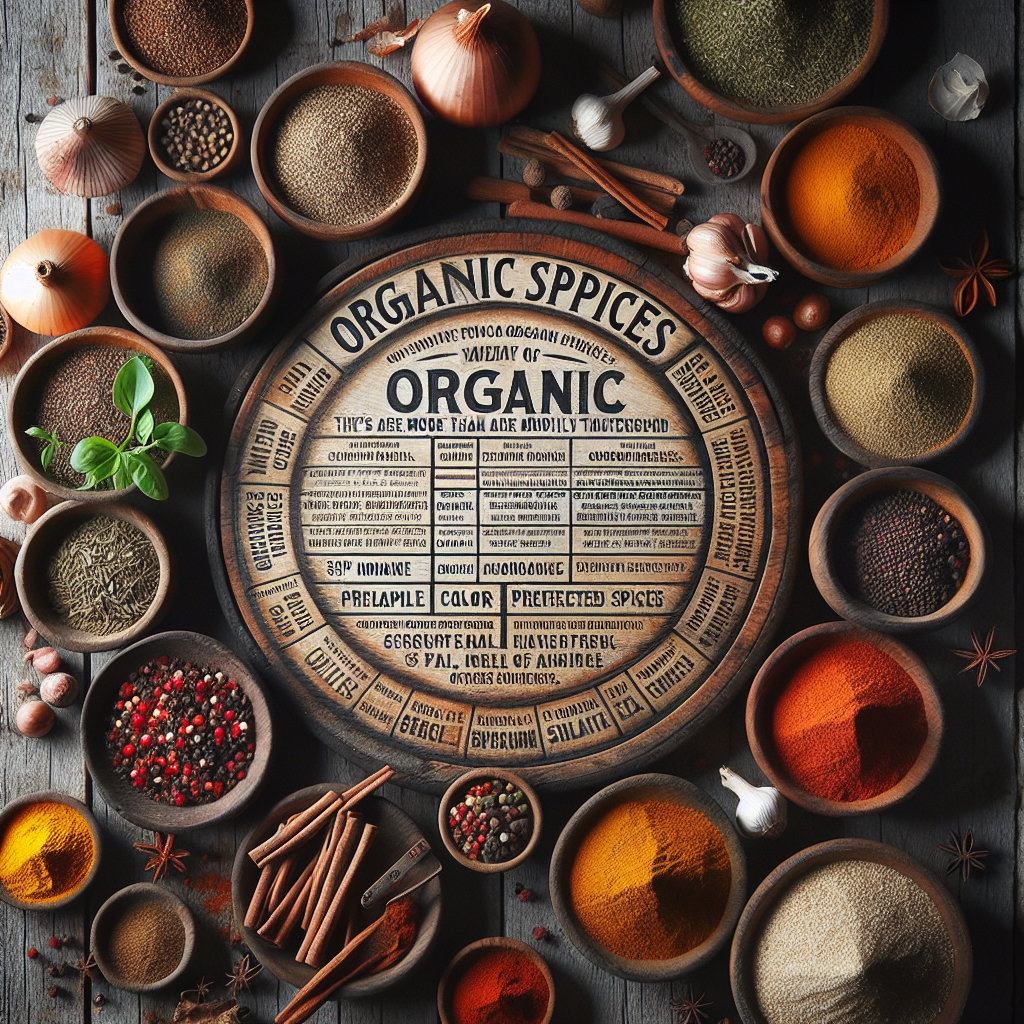
Moreover, cooking methods can influence the anti-inflammatory properties of these foods. For instance, steaming vegetables retains more nutrients compared to boiling, and using herbs and spices like turmeric and ginger can further amplify anti-inflammatory effects. Understanding how to prepare and combine these foods can maximize their health benefits.
Meal Planning for Inflammation Reduction
Effective meal planning is crucial for consistently reducing systemic inflammation through a vegetarian diet. Start by creating a balanced weekly meal plan that includes a variety of anti-inflammatory foods. Aim for meals that combine protein sources, healthy fats, and plenty of vegetables. For example, a quinoa salad with mixed greens, cherry tomatoes, avocados, and a lemon-tahini dressing can be both nutritious and satisfying.
Incorporating snacks that align with this approach is also important. Opt for raw nuts, vegetable sticks with hummus, or fruit smoothies made with spinach and nut butter. These choices not only curb hunger but also support your anti-inflammatory goals.
Many individuals struggle with meal prep due to time constraints. To address this, consider batch cooking grains and legumes at the beginning of the week. This strategy allows for quick meal assembly and ensures that healthy options are readily available. Preparing meals in advance can help avoid the temptation of unhealthy convenience foods that may exacerbate inflammation.
Common Mistakes to Avoid
Transitioning to a vegetarian diet can present several pitfalls that may hinder its anti-inflammatory potential. One common mistake is relying heavily on processed vegetarian alternatives, such as meat substitutes that are high in sodium and preservatives. While these products may offer convenience, they often lack the nutrients found in whole foods and can contribute to inflammation.
Another mistake is neglecting adequate protein intake. While plant-based sources like legumes and nuts are excellent, some individuals may not consume enough variety to meet their protein needs. It’s essential to combine different protein sources to ensure all essential amino acids are consumed.
In closing, many people overlook the importance of hydration. Dehydration can lead to increased inflammation in the body. Therefore, drinking plenty of water, herbal teas, and incorporating hydrating fruits and vegetables into meals should be a priority.
Further Reading
For more in-depth information on the vegetarian nutrition approach for reducing systemic inflammation, consider exploring authoritative resources that focus on plant-based diets and their health benefits. Reliable sources like the American Dietetic Association or the Academy of Nutrition and Dietetics provide extensive research and guidelines on vegetarian nutrition.
Further Reading
Authoritative Sources
- MedlinePlus
medlineplus.govConsumer-friendly medical and health information from the U.S. National Library of Medicine.
- National Institutes of Health
nih.govResearch-based health information and links to authoritative medical resources.
- Centers for Disease Control and Prevention
cdc.govOfficial public health guidance, prevention resources, and topic-specific recommendations.
- Mayo Clinic
mayoclinic.orgTrusted clinical guidance, symptom explainers, and treatment overviews.
- World Health Organization
who.intGlobal health guidance, fact sheets, and evidence-based public health information.
Frequently Asked Questions
What are the best vegetarian foods for reducing inflammation?
Foods rich in antioxidants, like berries, leafy greens, nuts, and whole grains, are among the best vegetarian options for reducing inflammation.
Can a vegetarian diet provide enough protein?
Yes, a well-planned vegetarian diet can provide sufficient protein through sources like legumes, nuts, seeds, and whole grains.
How quickly can I see results from a vegetarian diet?
Many people report improvements in inflammation markers within a few weeks of adopting a vegetarian diet focused on whole foods.
Are there any supplements needed on a vegetarian diet?
Some individuals may need to supplement with vitamin B12, iron, or omega-3 fatty acids, especially if they don’t consume fortified foods.
What lifestyle changes complement a vegetarian diet for inflammation reduction?
Incorporating regular physical activity, stress management techniques, and adequate sleep are essential lifestyle changes that complement a vegetarian diet in reducing inflammation.
Conclusion
Adopting a vegetarian nutrition approach for reducing systemic inflammation can significantly improve your health. By focusing on a diverse array of nutrient-rich foods, individuals can effectively lower inflammation levels and enhance their overall well-being. Prioritizing whole, unprocessed foods, planning balanced meals, and avoiding common dietary pitfalls are essential strategies for success. As you transition to this lifestyle, remember to stay informed and adjust your diet to ensure it meets your nutritional needs while promoting health.