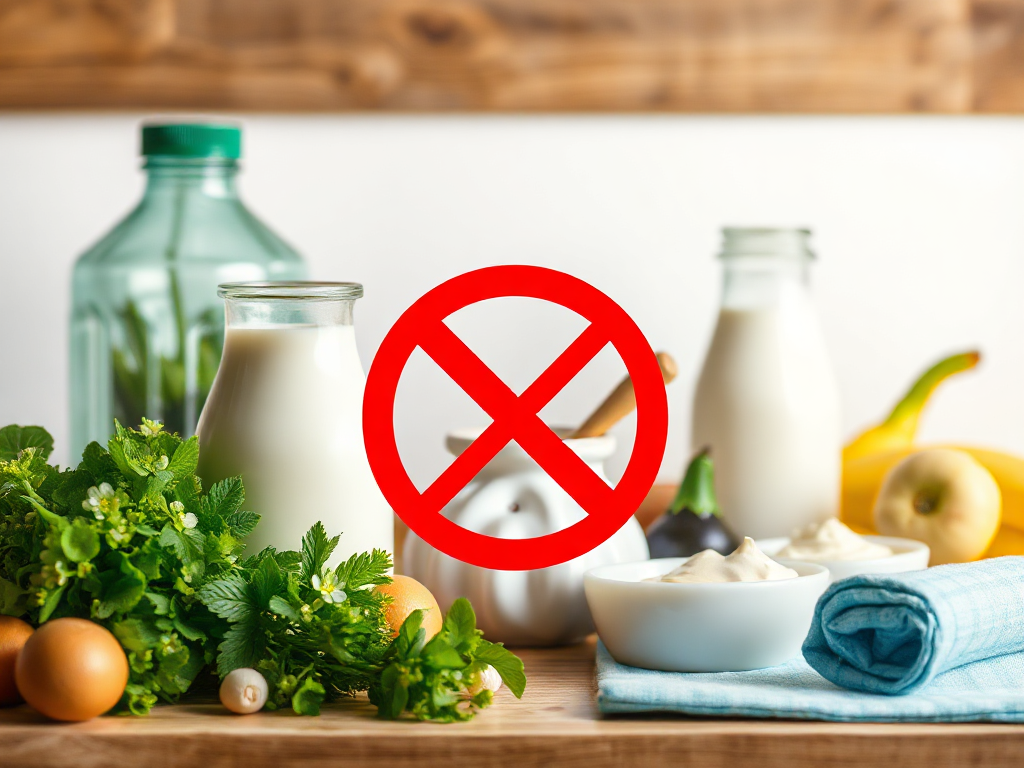
Organic dairy may not suit everyone due to individual health conditions and dietary choices. For example, lactose intolerance can cause discomfort for those consuming organic dairy, as it still contains lactose, leading to digestive issues. Additionally, individuals following a vegan diet completely avoid dairy products for ethical and health reasons, opting instead for plant-based alternatives like almond or soy milk. Allergies to dairy proteins, such as casein or whey, can also necessitate avoiding organic dairy, prompting the need for alternative nutritional sources. Understanding these factors is essential for making informed dietary decisions.
Lactose Intolerance and Organic Dairy
Lactose intolerance is a common condition where the body lacks the enzyme lactase, needed to digest lactose found in dairy products. This can lead to symptoms like bloating, gas, and diarrhea when consuming organic dairy, even though it is often perceived as healthier. Many people mistake organic dairy for being easier to digest, but the lactose content remains the same. For those who are lactose intolerant, opting for lactose-free organic dairy products or alternatives is crucial.
While organic dairy might be produced without antibiotics and hormones, it does not eliminate lactose. Therefore, individuals with lactose intolerance should consider alternatives such as almond milk, soy milk, or coconut milk, which provide similar nutritional benefits without the discomfort associated with lactose. Understanding personal tolerance levels is essential when considering organic dairy.
Dietary Restrictions: Veganism and Beyond
For many, dietary choices are guided by ethical or health reasons, leading to a complete avoidance of animal products, including organic dairy. Vegans, for instance, choose plant-based alternatives not only for health benefits but also for ethical considerations regarding animal welfare. This choice can make it challenging to incorporate organic dairy into their diet.
Furthermore, some individuals may adopt a vegetarian diet that excludes dairy due to personal beliefs or health issues. In such cases, plant-based options like cashew cheese or oat milk can serve as nutritious substitutes. It is important for those with dietary restrictions to explore various alternatives to ensure they meet their nutritional needs without compromising their values.
Allergies and Sensitivities to Dairy
Dairy allergies, which can manifest as reactions to proteins like casein and whey, can be serious and require strict avoidance of all dairy products, including organic options. Symptoms may include hives, swelling, and even gastrointestinal distress. Unlike lactose intolerance, dairy allergies can provoke severe reactions, making it vital for affected individuals to read labels carefully and seek alternatives.
For those with dairy allergies, numerous alternatives are available that can provide similar nutritional profiles. Options such as hemp milk, rice milk, and various nut-based cheeses can be nutritious substitutes. It’s essential for anyone with a dairy allergy to work closely with a healthcare provider or nutritionist to ensure they are receiving adequate nutrients while avoiding allergens.
Nutritional Alternatives to Organic Dairy
Exploring alternatives to organic dairy not only benefits those with intolerances or allergies but can also cater to individuals seeking diverse nutrition sources. Plant-based options can be rich in nutrients, offering vitamins and minerals often found in dairy. For example, fortified almond or soy milk can provide calcium and vitamin D, essential for bone health.
Moreover, incorporating a variety of foods such as leafy greens, nuts, and seeds can enhance calcium intake. For those looking to replace dairy in their diet, it is beneficial to focus on whole foods that provide essential nutrients without the drawbacks associated with organic dairy. This approach allows for a balanced diet that meets individual health needs and preferences.
Frequently Asked Questions
What are the main reasons organic dairy may not suit everyone?
Organic dairy may not suit everyone due to lactose intolerance, dietary restrictions such as veganism, and allergies to dairy proteins.
Are there lactose-free options available for those who want organic dairy?
Yes, there are lactose-free organic dairy products available that can be suitable for those with lactose intolerance.
What are some common alternatives to organic dairy?
Common alternatives include almond milk, soy milk, coconut milk, and various nut-based cheeses.
How can those with dairy allergies find suitable replacements?
Those with dairy allergies can find suitable replacements such as hemp milk, rice milk, and plant-based cheeses, ensuring they avoid allergens.
Is organic dairy considered healthier than conventional dairy?
While organic dairy is often produced without antibiotics and hormones, it may not be inherently healthier for everyone, especially those with specific dietary needs.