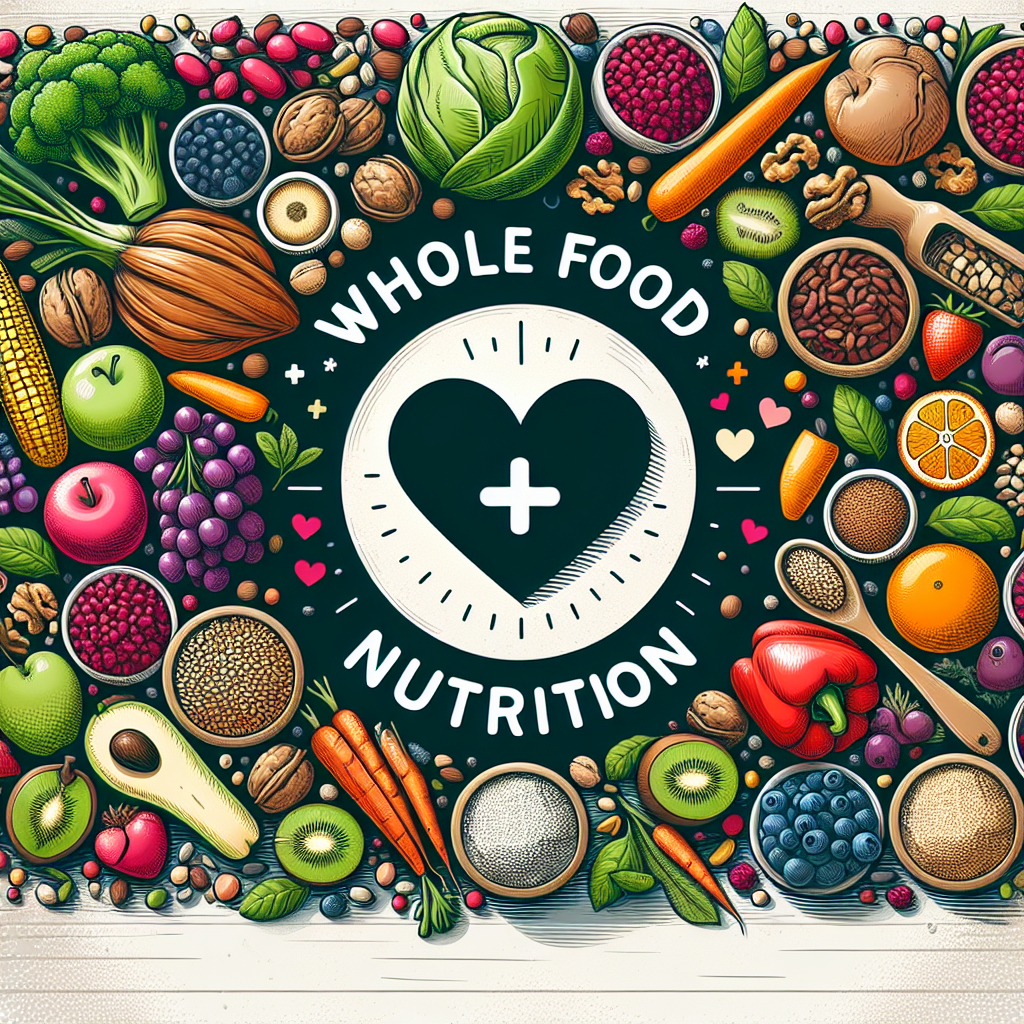
Organic nutrition is integral to maintaining healthy skin as we age. By focusing on organic foods, we not only avoid harmful chemicals but also nourish our bodies with powerful nutrients that can enhance skin health. The connection between what we eat and how our skin ages is profound, with organic fruits, vegetables, and healthy fats playing a pivotal role in this process.
As we navigate the complexities of skincare and aging, many individuals make the mistake of relying solely on topical treatments. While creams and serums have their place, the foundation of healthy skin begins with our diet. Understanding the types of nutrients that support skin vitality is crucial for making informed dietary choices that can lead to long-term benefits.
The Role of Antioxidants in Skin Health
Antioxidants are crucial in the fight against skin aging. They combat free radicals generated by environmental stressors, such as UV exposure and pollution, which can lead to premature aging. Organic fruits and vegetables, especially berries, leafy greens, and nuts, are rich in antioxidants like vitamins C and E, which help neutralize these harmful molecules.
Making an effort to include a variety of colorful organic produce in your diet not only enhances your overall health but also provides your skin with the tools it needs to repair and rejuvenate. Many people overlook the importance of sourcing organic produce, assuming that all fruits and vegetables offer the same benefits. However, choosing organic can significantly reduce exposure to pesticides and chemicals that may undermine skin health.
Essential Fatty Acids for Skin Elasticity
Essential fatty acids, particularly omega-3 and omega-6, play a significant role in maintaining skin elasticity and hydration. Organic sources of these fatty acids, such as flaxseeds, walnuts, and fatty fish, can help strengthen the skin’s barrier, preventing moisture loss.
Incorporating these healthy fats into your diet can be transformative. Many individuals mistakenly believe that all fats are bad for skin health, leading them to avoid them entirely. In reality, the right types of fats are vital for keeping skin plump and youthful. It’s essential to find a balance, ensuring that your diet includes these beneficial fats while minimizing saturated and trans fats.
Hydration and Its Impact on Aging Skin
Hydration is another key factor in skin aging. Organic foods with high water content, such as cucumbers, tomatoes, and watermelon, can contribute to overall hydration levels. Staying hydrated helps maintain skin elasticity and reduces the appearance of fine lines.
While many people recognize the importance of drinking water, they often overlook the hydration benefits of certain foods. A well-rounded diet that emphasizes hydrating organic fruits and vegetables can help create a more effective approach to skin care. Neglecting this aspect can lead to dry, dull skin that accelerates the aging process.
Common Pitfalls in Dietary Choices
Despite the clear benefits of organic nutrition for skin aging, many individuals fall into common dietary traps. Relying too heavily on processed foods, which often lack essential nutrients, can hinder skin health. Additionally, misconceptions about organic foods being too expensive can lead to avoidance of beneficial options.
To make informed choices, consider focusing on whole, minimally processed organic foods. Prioritize nutrient density over quantity, and be aware of the trade-offs involved in your dietary choices. It’s not just about eating less; it’s about eating better. Understanding these pitfalls can help you navigate your dietary path more effectively.
Further Reading
Authoritative Sources
- Discovering the link between nutrition and skin aging – PMC
pmc.ncbi.nlm.nih.govVitamins, carotenoids, tocopherols, flavonoids and a variety of plant extracts have been reported to possess potent anti-oxidant properties.
- The Role of Nutrition in Skin Health
integrishealth.orgVitamin A: Essential for skin repair and maintenance, vitamin A promotes cell turnover and helps prevent signs of aging. Sources include sweet …
- Dietary phytochemicals alleviate the premature skin aging
sciencedirect.comPolyphenols can aid in the maintenance of collagen levels in the skin, thereby reducing the signs of premature skin aging and promoting healthy skin function ( …
- 9 Superfoods to Keep Your Skin Smooth and Wrinkle-Free
aarp.orgOver time your skin loses its ability to fight off free radicals. Learn how to eat an anti-inflammatory diet to keep your skin healthy as you …
- The Role of Nutrition in Skin Health Local Superfoods and …
dermatologyseattle.comNutrition supports the skin's barrier function, cell regeneration, and protection from oxidative stress caused by UV exposure and pollution.
- The Power of Functional Nutrition in Aging and Skin Health:
luminateclinic.comBoost collagen production, helping your skin stay firm and wrinkle-free. · Support cell turnover, promoting a fresh, even complexion. · Reduce …
- Can your diet slow skin aging? New review reveals what …
news-medical.netThey concluded that foods rich in antioxidants can slow the process of skin aging, while diets high in refined sugars and trans fats accelerate it.
Frequently Asked Questions
What are the best organic foods for skin health?
Foods rich in antioxidants like berries, healthy fats from avocados and nuts, and hydrating vegetables like cucumbers are excellent choices.
How does hydration affect skin aging?
Proper hydration maintains skin elasticity and reduces the appearance of fine lines, making it crucial for youthful skin.
Can organic food really make a difference?
Yes, organic foods are often free from harmful pesticides and chemicals, supporting overall health and skin vitality.
What role do essential fatty acids play in skin health?
Essential fatty acids help strengthen the skin barrier, improve hydration, and maintain elasticity, crucial for aging skin.
Are there any dietary pitfalls to avoid for better skin?
Avoiding processed foods and focusing on nutrient-dense organic options can significantly enhance skin health.
Conclusion
Incorporating organic nutrition into your daily routine is a powerful tool in combatting the effects of skin aging. By prioritizing antioxidant-rich foods, essential fatty acids, and proper hydration, you can enhance your skin’s resilience and vitality. Make mindful dietary choices that focus on whole, organic foods, and avoid common pitfalls to achieve the healthiest skin possible.