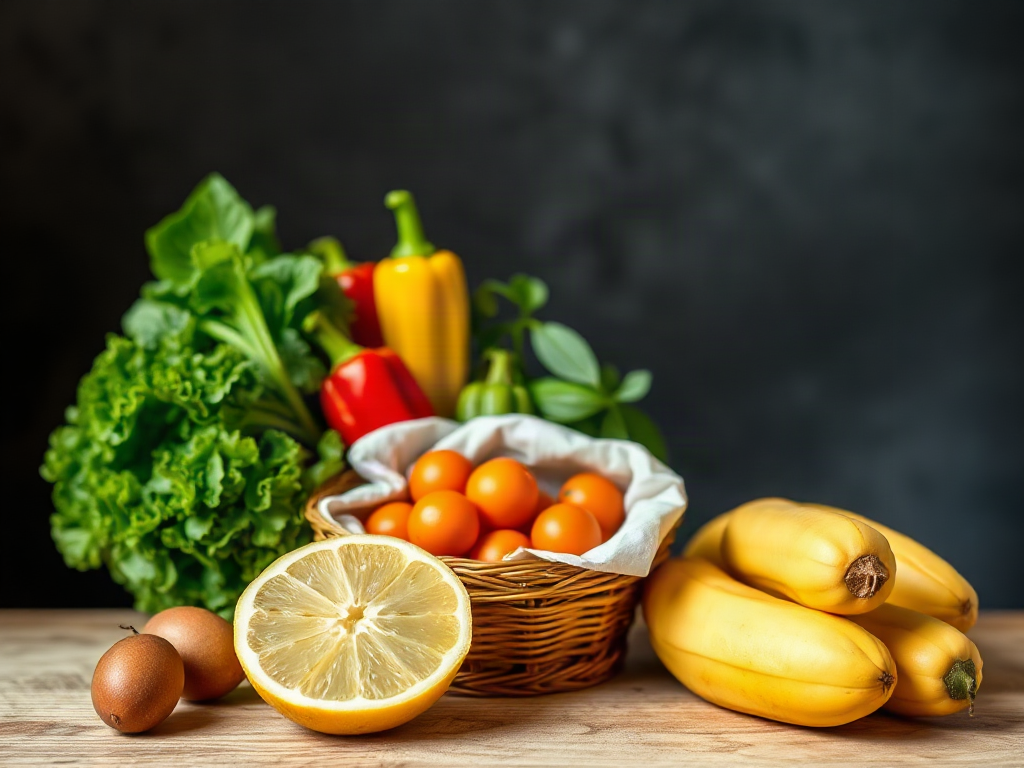
Measuring produce variety by weekly color count means recording the distinct natural colors of fruits and vegetables you eat during seven days, then reviewing both color range and ingredient repetition. Count red, orange, yellow, green, blue, purple, white, and brown foods as visual categories, but do not treat color alone as a nutrient score. A useful record names the actual items, separates fresh produce from juice or highly processed products, and notes whether the same food supplied several meals. The method can reveal narrow shopping habits, encourage seasonal variety, and expose gaps that a simple serving total misses. Use it as a flexible planning prompt, not a medical test or rigid diet rule.
What a Weekly Color Count Actually Measures
A weekly color count is a simple way to observe the visual range of fruits and vegetables in your routine. The goal is not to assign a health score to a plate; it is to make repetition visible. Someone may eat vegetables every day but rely almost entirely on green lettuce, cucumbers, and peas. Another person may eat fewer total servings yet include leafy greens, tomatoes, carrots, berries, cauliflower, and purple cabbage. Color counting can distinguish those patterns more clearly than a single daily produce total.
Plant pigments often occur alongside different types of naturally occurring compounds. Red foods such as tomatoes and watermelon contain different pigment families from orange carrots or purple eggplant, while green foods include leafy vegetables, herbs, peas, and broccoli with their own nutritional profiles. The relationship is not precise enough to say that one color guarantees a particular nutrient or benefit. White onions, mushrooms, garlic, and cauliflower should not be dismissed simply because they are less vivid.
The strongest use of this method is behavioral. A seven-day record can show whether your produce choices are broad or narrow, whether convenience determines most selections, and whether seasonal availability changes the pattern. It also creates a practical bridge to measuring produce variety by weekly color count without requiring nutrient software or exact weighing.
Color count has limits. A smoothie containing several brightly colored ingredients may look varied on paper while providing little chewing and repeating the same produce combination each morning. Likewise, a soup can contain several colors but only a small amount of each. Treat the count as a screening tool for variety, then check the actual ingredients, portions, preparation, and frequency before drawing conclusions.
How to Record Colors Without Distorting the Result
Accurate tracking begins with a consistent definition of what counts. Record recognizable fruit and vegetable ingredients eaten during the week, including fresh, frozen, canned, and cooked forms when they remain identifiable. A red pepper, frozen blueberries, canned pumpkin, roasted beets, and steamed broccoli can all qualify. Juice may be logged separately because it changes the eating experience and may not provide the same fullness as whole produce.
Use the food’s dominant natural color rather than the color of a sauce, seasoning, or packaging. Tomato sauce can count as a red produce item, but a small amount spread across a pizza should not be treated as equivalent to a bowl of tomatoes. Mixed dishes deserve a note beside the ingredient list. If a chili contains tomatoes, corn, kidney beans, and peppers, record the produce ingredients you can reasonably identify rather than counting the finished dish as one color.
A useful record has three columns: the food, its color category, and the number of separate eating occasions. The third column prevents a common error: mistaking repeated use for additional variety. Eating spinach in four meals demonstrates consistency, but it does not add four new foods. Conversely, using spinach, kale, broccoli, and green beans creates more green-food diversity even though the color category remains the same.
- Count colors: red, orange, yellow, green, blue, purple, white, and brown can serve as practical categories.
- Count foods: note distinct ingredients within each category.
- Mark repeats: identify foods used on multiple days so variety is not overstated.
- Separate formats: distinguish whole pieces, cooked dishes, smoothies, juice, and heavily processed products.
Do not chase perfect classification. A bell pepper that appears orange-red or a potato with yellow flesh does not need an argument. Choose one category, apply the same choice throughout the week, and focus on the pattern. The method becomes less useful when recording takes longer than meal planning or when minor color differences receive more attention than adding a genuinely different ingredient.
Interpreting Variety, Repetition, and Nutrient Tradeoffs
A higher number of colors can suggest a broader produce pattern, but it does not prove nutritional adequacy. Color variety and food variety overlap without being identical. Blueberries and purple grapes may occupy different food entries while offering similar roles in a person’s routine; green kale and green peas share a color but differ in texture, plant part, and nutrient composition. Interpretation should therefore use three measures together: color categories, distinct produce items, and repeated staples.
Consider two weekly records. Record A includes green lettuce, cucumber, and celery every day, plus occasional apples. Record B includes spinach, broccoli, oranges, carrots, tomatoes, mushrooms, berries, cabbage, and squash across several meals. Record B has a wider color range and a broader ingredient mix, but Record A is not worthless. The better next step for Record A is not to abandon familiar foods; it is to add one contrasting item that fits the person’s budget, cooking skill, and storage space.
Preparation creates another tradeoff. Frozen vegetables can make variety easier during a busy week and may be more practical than buying delicate fresh items that spoil quickly. Canned produce can also fit a useful rotation, especially when rinsing or draining is appropriate for the product. On the other hand, sweetened fruit products, fried vegetable snacks, and produce-heavy packaged foods may not serve the same role as minimally processed ingredients. Color counting should sit beside, not replace, attention to added sugar, sodium, cooking fats, and overall meal composition.
Weak assumptions usually appear in three forms:
- “More colors always means better eating.” A colorful dessert or juice drink does not automatically equal a varied whole-food pattern.
- “Pale foods do not matter.” Cauliflower, onions, garlic, mushrooms, and potatoes can contribute useful variety even when they do not brighten a plate.
- “A high count fixes an unbalanced meal.” Produce variety does not replace adequate protein, fiber-rich grains, or suitable sources of dietary fat.
Use the results diagnostically. If one color dominates because it reflects a favorite vegetable, keep it and add a different plant family or preparation. If blue and purple foods are rare, frozen berries, plums, purple cabbage, or eggplant may be convenient additions. If the count looks impressive but most entries appear in one blended drink, broaden the textures and eating occasions.
Turning the Count Into a Realistic Shopping Plan
The count becomes useful when it changes the next shopping decision, not when it becomes a weekly performance test. Review the previous seven days and identify the smallest practical gap. A household with plenty of green and red foods may need one orange item and one pale vegetable, while a household with good color spread but repeated ingredients may benefit from swapping a familiar item for a different member of the same category.
Build the plan around durability and use. Choose one long-lasting item, one frozen option, one quick-prep item, and one food that fits a planned meal. For example, carrots can cover the durable slot, frozen blueberries the freezer slot, prewashed greens the quick-prep slot, and cauliflower the dinner slot. This approach is more reliable than buying eight ambitious ingredients that compete for attention and spoil before they are used.
Budget and access should shape the target. A broad count does not require exotic produce, specialty markets, or year-round freshness. Store brands, frozen vegetables, seasonal items, canned options, and economical staples can all support variety. If a food is expensive, difficult to store, or unsuitable for the household’s cooking equipment, it is a poor recommendation even if it adds a missing color.
Use a short decision sequence at the end of each week:
- List the color categories and distinct items that appeared.
- Mark foods repeated on at least two days.
- Choose one missing or underused color that has a realistic source.
- Pair it with a meal already likely to happen.
- Check whether the new item was eaten, wasted, or replaced, then adjust the next purchase.
Signs the approach is working include fewer accidental repeats, better use of frozen or shelf-stable ingredients, and a growing list of foods your household actually enjoys. Signs it is failing include discarded produce, anxious scorekeeping, or buying unfamiliar items without a preparation plan. In that situation, reduce the target and return to measuring produce variety by weekly color count as an observation method rather than a rule.
For meal planning, pair the color review with texture and form: raw, roasted, steamed, blended, and fermented foods create different experiences. A varied color chart paired with one texture at every meal may feel less satisfying than a slightly smaller chart with crisp, tender, and hearty options. Practical nutrition decisions work best when variety is repeatable.
For broader context, consult the USDA’s MyPlate resources and university extension materials on incorporating fruits and vegetables into meals. These sources can complement a personal color count with guidance on overall food-group balance, preparation, and realistic meal planning.
Frequently Asked Questions
How many colors should appear in a week?
There is no universally required number. Use the count to notice a narrow pattern and aim for gradual expansion rather than a rigid weekly quota.
Should different shades of green count separately?
Usually, keep shades within one green category and count the distinct foods separately. Spinach, peas, broccoli, and green beans still represent different ingredients.
Do frozen and canned items count?
Yes, if the fruit or vegetable remains identifiable. Record preparation and product details separately when added sugar, sauces, or substantial processing changes the comparison.
Can a smoothie create an artificially high color count?
It can make variety look broader than it is if the same blend repeats daily. Track the ingredients, frequency, and whether whole produce also appears in meals.
What should I do if one color dominates my week?
Keep the foods you enjoy, then add one contrasting item that fits your budget, storage, and cooking routine. A small sustainable change is more useful than an ambitious unused purchase.
Conclusion
A weekly color count works best as a mirror for shopping and eating habits. Record identifiable fruits and vegetables, count distinct foods as well as color categories, and mark repeated staples so a colorful record does not exaggerate variety. Interpret the result alongside preparation method, texture, meal balance, budget, storage, and actual enjoyment. The next useful action is usually modest: select one underrepresented color, attach it to a meal you already make, and review whether it was eaten rather than wasted. Keep pale foods in the rotation, use frozen or canned options when they improve consistency, and avoid treating the count as a nutrient score or medical measure. A flexible record can guide more varied choices without turning meals into a grading exercise.