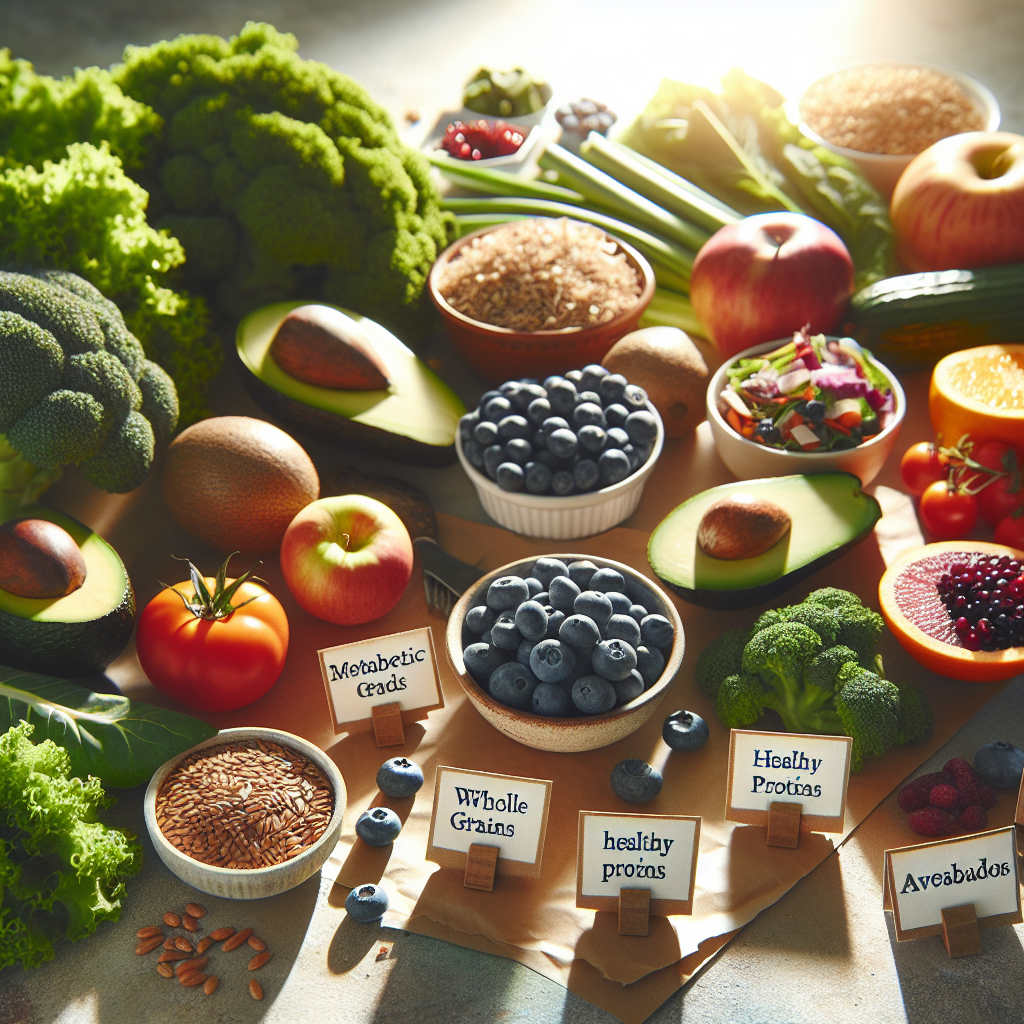
Understanding the unique properties of organic foods is crucial for effective weight management. Unlike conventional products, organic foods are grown without synthetic fertilizers and pesticides, which can lead to better nutrient profiles. These foods tend to be higher in antioxidants and beneficial compounds that can enhance metabolic health and reduce inflammation. Prioritizing organic options can help individuals avoid harmful chemicals that may disrupt hormonal balance and metabolism.
Nutritional Advantages of Organic Foods
Organic foods are often richer in essential nutrients compared to their conventional counterparts. This nutrient density is vital for maintaining energy levels and metabolic function, which are crucial for weight management. Studies suggest that organic produce can contain higher levels of vitamins, minerals, and antioxidants, contributing to better overall health.
Choosing organic foods may lead to improved satiety, helping individuals feel full longer and reducing the likelihood of overeating. For instance, organic fruits and vegetables typically have a more robust flavor and texture, encouraging increased consumption of these healthy food groups. Integrating a variety of organic foods into daily meals can create a more satisfying and nutritious diet.
How Organic Foods Influence Appetite Control
The composition of organic foods can play a significant role in appetite regulation. Many organic products have lower sugar and higher fiber content, which are important for stabilizing blood sugar levels. Stable blood sugar can prevent spikes and crashes that often lead to cravings and overeating.
Incorporating organic whole grains and legumes into meals can enhance fullness due to their fiber content. This not only helps in curbing hunger but also promotes digestive health. Additionally, the absence of artificial additives in organic foods means that consumers are less likely to experience the negative side effects often associated with processed foods, such as increased cravings.
Practical Organic Food Choices for Weight Management
When aiming for effective weight management, it’s important to select the right organic foods. Focus on incorporating a variety of organic vegetables like leafy greens, cruciferous vegetables, and root vegetables, which are low in calories but high in nutrients.
Organic fruits, particularly berries, are excellent choices due to their high antioxidant content and low glycemic index. For proteins, consider organic poultry, fish, and plant-based options like beans and lentils. These choices align well with a balanced diet that supports weight management. Planning meals around these organic options can lead to healthier eating habits and better weight outcomes.
Further Reading
Authoritative Sources
- USDA Organic Standards
usda.govThis resource provides comprehensive information on organic food standards and their benefits
- Health Benefits of Organic Foods
ncbi.nlm.nih.govA research article outlining the health advantages of consuming organic foods
Frequently Asked Questions
What are the main benefits of organic foods for weight management?
Organic foods are typically lower in harmful chemicals, higher in nutrients, and can help regulate appetite, making them beneficial for weight management.
Can organic foods help with weight loss?
Yes, organic foods can support weight loss by promoting healthier eating habits and reducing the intake of processed ingredients.
Are organic foods more expensive?
Organic foods often come at a premium due to the costs associated with organic farming practices, but they can be worth the investment for health benefits.
How do I incorporate organic foods into my diet?
Start by replacing conventional fruits and vegetables with organic options, and gradually include organic grains and proteins into your meals.
Is organic food safer than conventional food?
Organic food is generally considered safer due to the absence of synthetic pesticides and fertilizers, reducing exposure to harmful chemicals.
Conclusion
Incorporating organic foods into your diet can significantly enhance your natural weight management efforts. By focusing on nutrient-dense options, you can improve your overall health while effectively regulating appetite. Prioritize organic fruits, vegetables, whole grains, and lean proteins to create a balanced eating plan that supports your weight goals. Making conscious choices about the food you consume will not only benefit your weight management journey but also your long-term health.