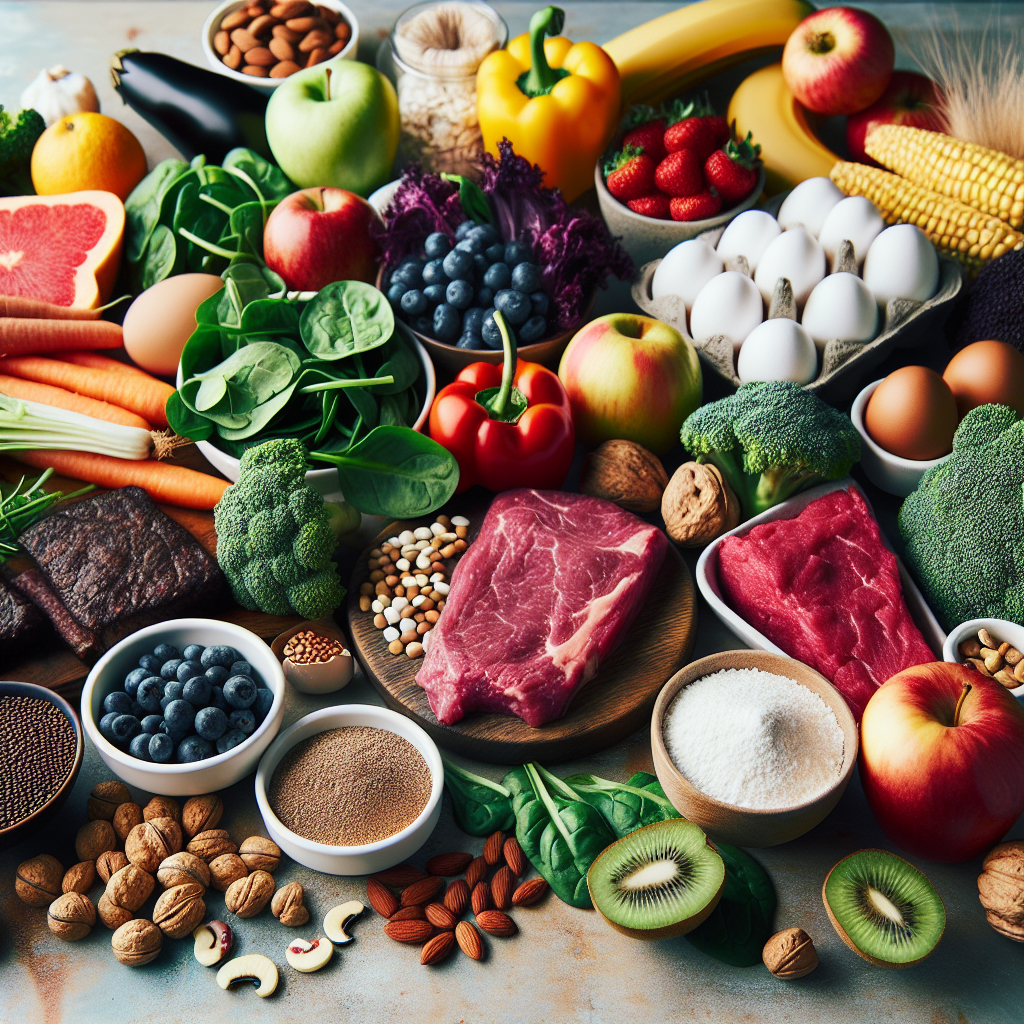
Incorporating organic foods into your diet can lead to immediate benefits, such as improved digestion and increased energy. Many people mistakenly believe that organic foods are only beneficial in the long term; however, the quality of nutrients found in organic produce can positively impact your health almost instantly. It’s essential to prioritize fresh, seasonal, and local organic options to maximize these benefits.
The Nutritional Edge of Organic Foods
Organic foods often contain higher levels of essential nutrients compared to their conventionally grown counterparts. This is largely due to the farming practices that prioritize soil health and biodiversity. Studies have shown that organic fruits and vegetables can have more vitamins, minerals, and antioxidants, which can enhance your immune system and overall vitality.
When considering organic options, it’s crucial to focus on a variety of colorful fruits and vegetables. These provide a broader spectrum of nutrients, which can be particularly beneficial for immediate energy boosts and overall health improvements. Prioritize consuming organic produce that is in season to ensure maximum freshness and nutrient density.
How Organic Eating Affects Mental Clarity
The link between diet and mental health is significant, and organic eating can play a pivotal role in enhancing cognitive function. The absence of synthetic pesticides and chemicals in organic foods means you’re less likely to consume neurotoxins that can impair brain function.
To improve mental clarity, focus on including organic foods rich in omega-3 fatty acids, such as flaxseeds and walnuts, alongside leafy greens and berries. These foods not only nourish the brain but also help stabilize mood and reduce anxiety. Avoiding processed foods is equally important, as they often contain additives that can negatively impact your mental health.
Practical Steps to Transition to Organic Eating
Transitioning to organic eating doesn’t have to be overwhelming. Start by swapping out a few items in your grocery list for organic alternatives. Focus on the ‘Dirty Dozen’—the fruits and vegetables most likely to contain pesticide residues—and choose organic versions of these first.
As you become more comfortable with organic products, gradually increase your organic purchases. Consider joining a local farm co-op or community-supported agriculture (CSA) program to gain access to fresh, organic produce while supporting local farmers. This not only enhances your diet but also fosters community connections.
Common Pitfalls in Organic Eating
Despite the benefits, there are common pitfalls to avoid when adopting an organic diet. One major mistake is assuming that all organic products are healthy. For instance, organic snacks and processed foods can still be high in sugar and unhealthy fats.
To navigate this, always check ingredient labels and focus on whole foods rather than processed options. Additionally, be mindful of your budget; organic foods can be more expensive. Consider prioritizing organic purchases for the most contaminated items and balancing your diet with affordable organic options.
Further Reading
Authoritative Sources
- MedlinePlus
medlineplus.govConsumer-friendly medical and health information from the U.S. National Library of Medicine.
- National Institutes of Health
nih.govResearch-based health information and links to authoritative medical resources.
- Centers for Disease Control and Prevention
cdc.govOfficial public health guidance, prevention resources, and topic-specific recommendations.
- Mayo Clinic
mayoclinic.orgTrusted clinical guidance, symptom explainers, and treatment overviews.
- World Health Organization
who.intGlobal health guidance, fact sheets, and evidence-based public health information.
Frequently Asked Questions
What are the immediate benefits of organic eating?
Immediate benefits include improved digestion, increased energy levels, and enhanced mental clarity due to the absence of harmful chemicals.
Are organic foods more nutritious?
Yes, organic foods often contain higher levels of vitamins, minerals, and antioxidants compared to conventionally grown foods.
How can I start eating organic on a budget?
Start by purchasing organic versions of the ‘Dirty Dozen’ and consider joining a local CSA for better prices on fresh produce.
Do organic foods affect mental health?
Yes, organic foods can enhance mental clarity and mood by reducing exposure to neurotoxins found in conventionally grown foods.
Is all organic food healthy?
No, some organic processed foods can still be high in sugars and unhealthy fats; always check labels.