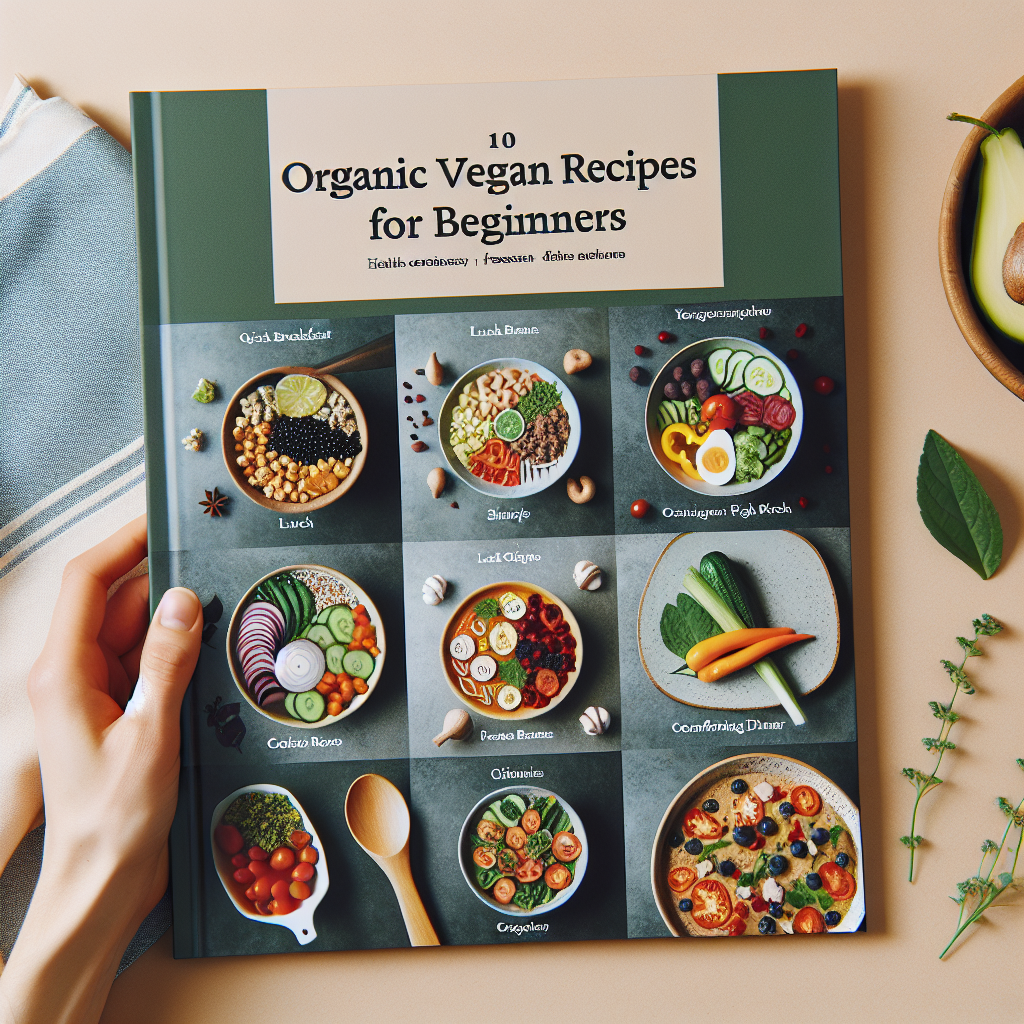
Incorporating these organic foods into your daily diet not only aids in maintaining joint health but also enhances your overall well-being. It’s important to focus on nutrient density rather than just calorie intake. Many people overlook the importance of specific nutrients, such as vitamin K and omega-3s, which are crucial for joint health. Prioritizing these foods can lead to better outcomes in managing joint pain and inflammation.
Many individuals mistakenly believe that joint health is solely dependent on exercise or medication. While these factors are important, diet plays a crucial role as well. Consuming a variety of organic foods that are rich in anti-inflammatory properties can significantly influence joint health. Additionally, understanding the potential pitfalls, such as relying too heavily on processed foods, can help in making better dietary choices.
Key Organic Foods for Joint Health
Some of the best organic foods that support joint health include leafy greens like kale and spinach, berries, nuts, and seeds. Leafy greens are high in vitamin K, which is essential for bone health and may reduce inflammation. Berries, particularly blueberries, are rich in antioxidants that combat oxidative stress and inflammation, while nuts and seeds provide healthy fats and additional anti-inflammatory properties.
Including a variety of these foods in your diet is crucial for maximizing their benefits. For example, pairing berries with nuts can create a powerful snack that not only tastes good but also supports joint health. Additionally, diversifying your intake helps ensure that you receive a broad spectrum of nutrients necessary for maintaining joint function.
It’s also important to be mindful of how these foods are prepared. Overcooking vegetables can diminish their nutrient content, so opting for steaming or raw preparations can help retain their health benefits. Furthermore, being aware of portion sizes and the balance of food types can enhance overall dietary effectiveness.
The Role of Antioxidants
Antioxidants play a critical role in reducing inflammation related to joint pain. Organic foods high in antioxidants, such as colorful fruits and vegetables, can significantly contribute to joint health. These compounds help neutralize free radicals in the body, which are known to cause cellular damage and exacerbate inflammation.
When selecting antioxidant-rich foods, aim for a rainbow of colors on your plate. Brightly colored fruits and vegetables, such as bell peppers, carrots, and cherries, contain a variety of antioxidants that work synergistically to promote health. Incorporating these foods into your meals not only enhances flavor but also boosts your intake of essential nutrients.
Many people underestimate the power of antioxidants and may not consume enough of these foods. A common mistake is relying solely on supplements rather than obtaining antioxidants from whole food sources. Whole foods provide a combination of nutrients that work together, which is often more effective than isolated supplements.
Incorporating Omega-3 Fatty Acids
Omega-3 fatty acids are essential for reducing inflammation and are particularly beneficial for joint health. Organic sources of omega-3s include fatty fish like salmon and mackerel, as well as plant-based options such as flaxseeds and chia seeds. These fatty acids can help lower the production of inflammatory compounds in the body.
Incorporating omega-3s into your diet can be straightforward. Aim to consume fatty fish at least twice a week or include flaxseeds in smoothies and baked goods. If you prefer plant-based sources, chia seeds can be added to yogurt or oatmeal for a nutrient boost.
A common mistake is not balancing omega-3 intake with omega-6 fatty acids, which are prevalent in many processed foods. Striking a balance between these fatty acids can help reduce inflammation and promote overall health. Prioritizing omega-3-rich foods is a smart approach to enhancing joint health.
Common Mistakes to Avoid
When seeking to improve joint health through diet, there are several common pitfalls to avoid. One major mistake is neglecting hydration. Water plays a vital role in joint lubrication and overall health. Ensure you are drinking enough fluids throughout the day to support joint function.
Another mistake is consuming excessive amounts of processed foods, which can lead to increased inflammation. Focusing on whole, organic foods is essential for promoting joint health. Additionally, many individuals fail to consider food pairings that enhance nutrient absorption. For example, pairing vitamin C-rich foods with iron sources can improve iron absorption.
Understanding these common mistakes can help you make more informed dietary choices. Prioritizing hydration, avoiding processed foods, and considering food pairings can significantly impact your joint health journey.
Further Reading
Authoritative Sources
- Nutritional Interventions for Osteoarthritis
ncbi.nlm.nih.govThis resource provides insights into how nutrition can influence joint health, particularly for those suffering from osteoarthritis
- Foods That Fight Inflammation
arthritis.orgA comprehensive guide to foods that can help combat inflammation, with practical tips on incorporating them into your diet
Frequently Asked Questions
What are the best organic foods for joint health?
Leafy greens, berries, nuts, and fatty fish are among the best organic foods for supporting joint health due to their anti-inflammatory properties.
How do antioxidants help joint health?
Antioxidants help reduce oxidative stress and inflammation, which can alleviate joint pain and improve mobility.
Can omega-3 fatty acids improve joint health?
Yes, omega-3 fatty acids found in fatty fish and flaxseeds can reduce inflammation and may improve joint function.
What mistakes should I avoid for better joint health?
Avoid excessive processed foods, neglecting hydration, and failing to consider food pairings that enhance nutrient absorption.
How can I incorporate more organic foods into my diet?
Focus on meal planning, shop at local farmers’ markets, and try new recipes that highlight organic fruits and vegetables.
Conclusion
Incorporating organic foods that support joint health naturally is a strategic approach to managing inflammation and pain. Prioritize nutrient-rich options like leafy greens, berries, and omega-3 fatty acids for optimal benefits. Additionally, be mindful of common mistakes such as neglecting hydration and relying on processed foods. By focusing on whole, organic foods and understanding their impact on joint health, you can make informed dietary choices that improve your overall quality of life.