Understanding the risks associated with food additives is crucial for making informed dietary choices. Many food additives, including artificial colors, flavors, and preservatives, have been linked to various health concerns, such as allergies, hyperactivity in children, and other long-term health issues. By embracing organic eating, individuals can minimize their exposure to these additives, thus promoting better health outcomes.
A common mistake many consumers make is assuming that all organic foods are free from additives. While organic regulations prohibit the use of many synthetic additives, some organic products may still contain natural preservatives or processing aids. Therefore, it is essential to read labels carefully and be aware of any ingredients that may not align with a clean eating philosophy.
Understanding Food Additives
Food additives are substances added to food products to enhance flavor, appearance, or preservation. Common examples include artificial sweeteners, preservatives, and colorants. While some additives are deemed safe by regulatory agencies, the long-term effects of many synthetic chemicals remain uncertain. Consumers who are concerned about these risks often turn to organic options, which are less likely to contain harmful additives.
One important factor to consider is that certain additives can cause adverse reactions in sensitive individuals. For example, artificial colors and preservatives have been associated with allergies and hyperactivity in children. By choosing organic foods, individuals can reduce their exposure to these potentially harmful substances and make safer dietary choices.
Moreover, understanding the labeling of food products is crucial. Many manufacturers may use terms like ‘natural flavoring’ or ‘coloring’ without disclosing the specific ingredients. Consumers should familiarize themselves with common additives and their potential effects to make informed choices that align with their health goals.
Benefits of Organic Eating
Choosing organic foods has several benefits, particularly in reducing exposure to food additives. Organic products are grown without synthetic pesticides and fertilizers, which can contribute to a healthier diet. Additionally, organic farming practices promote biodiversity and sustainability, making them a better choice for the environment.
Another significant advantage of organic eating is the potential for higher nutrient density. Studies have shown that organic produce often contains higher levels of certain nutrients, such as antioxidants and vitamins, compared to conventionally grown counterparts. This nutrient boost can enhance overall health and well-being.
Furthermore, organic eating fosters a connection to local farmers and promotes community-supported agriculture. By purchasing organic products, consumers can support sustainable farming practices and contribute to the local economy, which can lead to a healthier food system overall.
Practical Steps for Reducing Exposure
To effectively reduce exposure to food additives through organic eating, consumers can take several practical steps. First, prioritize purchasing certified organic products, which are regulated and must meet strict standards regarding additives and pesticides. This ensures a higher likelihood of avoiding harmful substances.
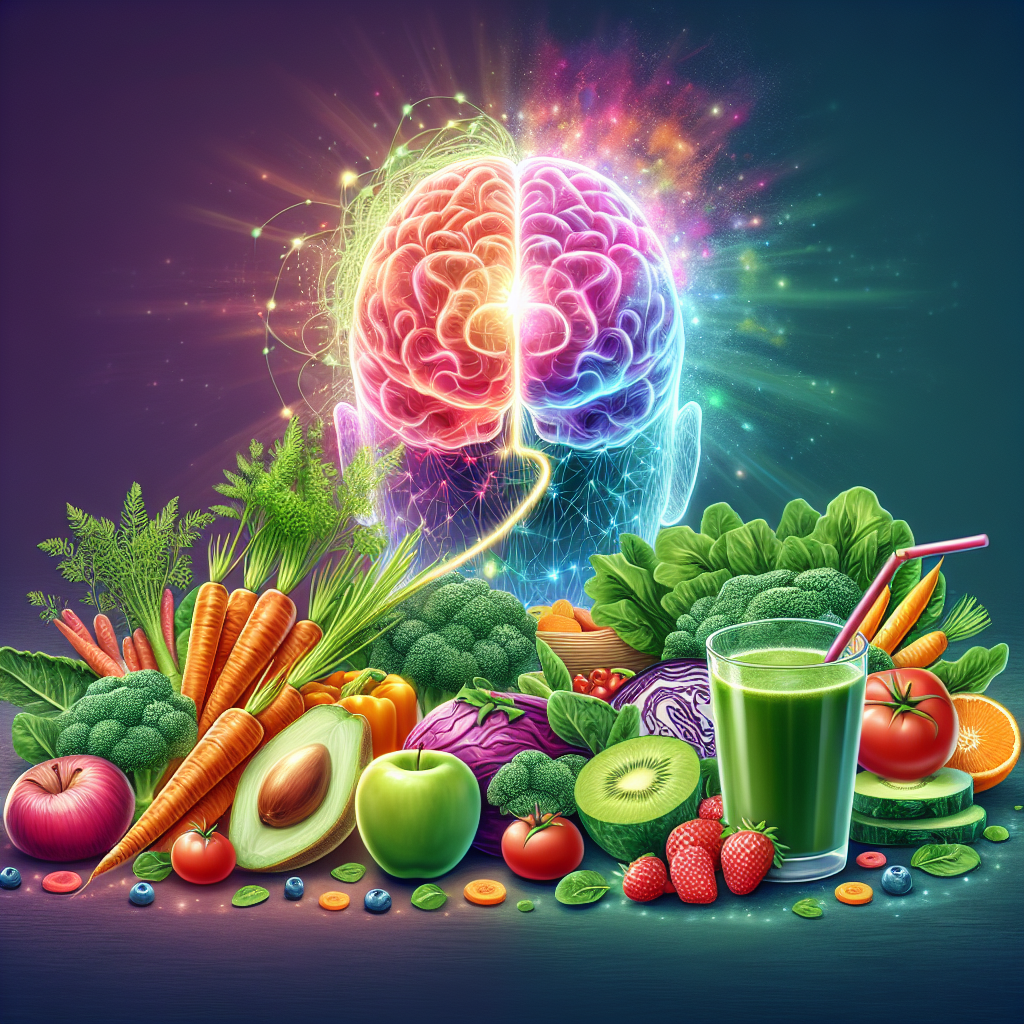
Another effective strategy is to focus on whole, minimally processed foods, such as fruits, vegetables, grains, and legumes. These foods are less likely to contain additives and provide essential nutrients necessary for optimal health. Meal planning and preparation at home can also minimize reliance on processed foods, further reducing exposure to additives.
Additionally, reading ingredient labels is crucial. Look for products that contain short ingredient lists with recognizable items, and avoid those with long lists of chemicals. This practice can help consumers make healthier choices and avoid unwanted additives.
Common Mistakes to Avoid
When transitioning to organic eating, individuals often make several common mistakes that can undermine their efforts to reduce exposure to food additives. One prevalent mistake is assuming that all organic products are inherently healthy. Some organic snacks and processed foods can still contain additives, so it is essential to scrutinize labels.
Another common pitfall is neglecting to consider the importance of variety in the diet. Relying too heavily on a limited range of organic products can lead to nutrient deficiencies. It is important to consume a diverse array of organic foods to ensure a balanced intake of essential nutrients.
Lastly, many consumers underestimate the impact of cooking methods on food quality. For instance, overcooking vegetables can destroy valuable nutrients, while opting for healthier cooking methods can preserve their integrity. Prioritizing fresh, organic ingredients and appropriate cooking techniques can enhance the overall health benefits of organic eating.
Further Reading
For those interested in exploring more about organic eating and reducing exposure to food additives, various resources are available. Nutritional guides, government publications, and reputable health organizations provide valuable insights into the benefits and practices associated with organic diets.
Further Reading
Authoritative Sources
- MedlinePlus
medlineplus.govConsumer-friendly medical and health information from the U.S. National Library of Medicine.
- National Institutes of Health
nih.govResearch-based health information and links to authoritative medical resources.
- Centers for Disease Control and Prevention
cdc.govOfficial public health guidance, prevention resources, and topic-specific recommendations.
- Mayo Clinic
mayoclinic.orgTrusted clinical guidance, symptom explainers, and treatment overviews.
- World Health Organization
who.intGlobal health guidance, fact sheets, and evidence-based public health information.
Frequently Asked Questions
What are food additives?
Food additives are substances added to food products to enhance flavor, appearance, or preservation, including artificial sweeteners and preservatives.
Why choose organic foods?
Organic foods are grown without synthetic pesticides and fertilizers, reducing exposure to harmful additives and promoting better health.
How can I reduce exposure to food additives?
To reduce exposure, prioritize certified organic products, focus on whole foods, and read ingredient labels carefully.
Are all organic foods free from additives?
No, not all organic foods are free from additives. Some may still contain natural preservatives or processing aids, so it’s important to read labels.
What are the benefits of organic eating?
Benefits include reduced exposure to harmful additives, potentially higher nutrient density, and support for sustainable agricultural practices.
Conclusion
To wrap up, organic eating for reducing exposure to food additives is a practical approach that can lead to improved health outcomes. By prioritizing organic products, focusing on whole foods, and being diligent about reading labels, individuals can significantly lower their intake of harmful substances. It is crucial to stay informed about the risks associated with food additives and to make conscious dietary choices that support both personal health and sustainable agriculture. Embracing these practices not only benefits the individual but also contributes to a healthier planet.