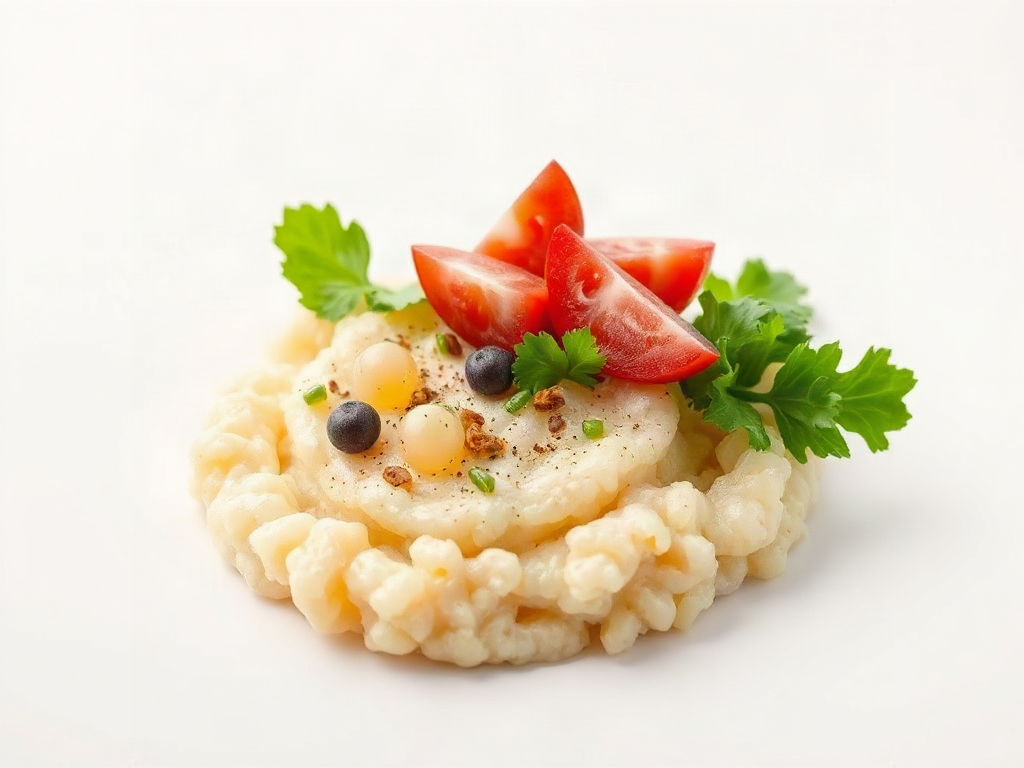
Balanced toppings that improve grits nutrition pair the grain with protein, vegetables or fruit, and an unsaturated-fat source rather than relying mainly on butter and cheese. Useful combinations include eggs with spinach and avocado, black beans with tomatoes and pumpkin seeds, or Greek yogurt with berries and walnuts. These additions supply protein, fiber, micronutrients, and fat that can make a bowl more filling and nutritionally varied. Portion size and preparation still matter: choose plain grits when possible, limit heavily salted meats and sauces, and treat cheese as an accent instead of the bowl’s primary source of substance.
What Makes a Grits Topping Balanced?
Plain grits provide a warm grain base, but the finished bowl depends heavily on what is added to it. Grits made from enriched cornmeal may contribute iron and several B vitamins, while whole-grain or stone-ground versions may retain more of the corn kernel. Exact values vary by product, enrichment, cooking liquid, and serving size, so the package label is more useful than assumptions based on the word “grits” alone.
A practical topping formula includes a meaningful protein source, a produce component, and a modest source of unsaturated fat. Protein and fat slow the pace of a meal and increase staying power, while vegetables, fruit, beans, nuts, and seeds add combinations of fiber, potassium, folate, vitamin C, carotenoids, and other compounds. Not every bowl needs a separate ingredient from each category. Black beans, for example, contribute both protein and fiber; walnuts provide fat along with some protein.
The balance should also account for the cooking method. Grits prepared with milk or fortified soy beverage already contain more protein than grits cooked in water. A bowl made with milk may need fewer protein-heavy toppings, whereas water-cooked instant grits benefit more from an egg, beans, tofu, fish, or strained yogurt. Broth can add flavor, but packaged broth and seasoning blends may contribute substantial sodium. Checking labels is especially useful when several salty ingredients appear in one bowl.
Texture and flavor determine whether a nutritious combination is satisfying enough to repeat. Soft grits pair well with something crisp or chewy, such as pumpkin seeds, sautéed peppers, roasted chickpeas, or chopped walnuts. Acidic ingredients—including tomatoes, salsa, berries, or a squeeze of lemon—cut through rich toppings without requiring more butter. Herbs, black pepper, smoked paprika, garlic, and scallions can build flavor with little or no sodium.
The common mistake is judging a topping by a single nutrient. Cheese contains protein and calcium, but a cheese-dominated bowl may also become high in saturated fat and sodium while remaining low in fiber. Avocado contributes unsaturated fat and fiber, yet it does not replace a substantial protein source. A smart combination fills the nutritional gaps in the base rather than simply adding more richness.
Five Balanced Grits Topping Pairings
These five pairings cover savory and sweet preferences while using familiar foods. They are templates rather than rigid recipes, and quantities should reflect appetite, dietary needs, and the rest of the meal.
| Pairing | Main nutritional contribution | Practical adjustment |
|---|---|---|
| Egg, spinach, and avocado | Protein, folate, carotenoids, fiber, and unsaturated fat | Use herbs or pepper before adding extra salt |
| Black beans, tomatoes, and pumpkin seeds | Plant protein, fiber, potassium, vitamin C, and minerals | Rinse canned beans and choose lower-sodium salsa |
| Greek yogurt, berries, and walnuts | Protein, calcium, fruit fiber, and unsaturated fat | Use plain yogurt and let fruit provide sweetness |
| Salmon, collard greens, and lemon | Protein, omega-3 fats, vitamin K, carotenoids, and vitamin C | Choose unseasoned fish when other ingredients are salty |
| Tofu, mushrooms, and peppers | Plant protein plus a varied mix of vegetable nutrients | Brown the tofu and mushrooms for deeper flavor |
Egg, spinach, and avocado works well for breakfast or a quick dinner. A cooked egg gives the bowl a clear protein anchor, wilted spinach adds volume without overwhelming the grits, and sliced avocado supplies creaminess that can reduce the need for butter. People who need to moderate saturated fat may prefer this approach to a bowl built around bacon, butter, and a large portion of cheese.
Black beans, tomatoes, and pumpkin seeds is a budget-conscious plant-based option. Warm the beans with cumin or smoked paprika, add fresh tomatoes or a spoonful of salsa, and finish with seeds for crunch. The main constraint is sodium: canned beans, salsa, broth, and packaged grits can accumulate salt quickly. Rinsing beans and comparing labels leaves more room for seasoning at the table.
Greek yogurt, berries, and walnuts turns plain grits into a mildly sweet bowl without depending on syrup. Stir yogurt in after the grits cool slightly to preserve its texture, then add berries and chopped walnuts. Unsweetened fortified soy yogurt can suit a dairy-free bowl, although protein levels differ widely among plant-based yogurts.
Salmon, collard greens, and lemon creates a substantial lunch or dinner. Leftover cooked salmon makes the pairing convenient, and lemon brightens both the fish and greens. Smoked salmon is flavorful but often salty, so a smaller amount paired with unsalted grits may be more practical than using it as the main protein.
Tofu, mushrooms, and peppers benefits from careful cooking. Pressing or patting tofu dry and browning it separately prevents a watery topping. Mushrooms add savory depth, while peppers add color and sweetness. Calcium content in tofu depends on the coagulant used, so shoppers seeking calcium should check the ingredient list and Nutrition Facts label rather than assuming all tofu is equivalent.
How Should You Match Toppings to Your Needs?
The most useful pairing depends on what the rest of the meal lacks. A person eating grits before a long morning may prioritize protein and fiber for a more substantial meal. Someone serving grits beside fish and vegetables already has those elements covered and may need only herbs, tomatoes, or a small amount of avocado on the grain itself. Balance applies to the full plate, not just the bowl.
For greater fullness, begin with a clear protein choice: eggs, beans, tofu, plain Greek yogurt, cottage cheese, chicken, or fish. Then add produce and a small amount of fat if the protein is very lean. A bowl that leaves someone hungry soon afterward may be too small, low in protein, low in fiber, or all three. Adding more butter changes richness but does not correct those gaps as effectively as beans, vegetables, seeds, or another substantial topping.
For a plant-based meal, combine grits with legumes or soy foods rather than relying solely on vegetables. Spinach and mushrooms add valuable variety, but they do not usually provide the same protein contribution as black beans, lentils, edamame, or tofu. Nutritional yeast can add savory flavor, though fortified products differ and should not be treated as interchangeable. A sprinkle may complement a meal but is not automatically a complete protein topping.
Budget and time also shape the best choice. Frozen spinach, canned lower-sodium beans, eggs, and peanut butter are often easier to keep available than delicate produce or fresh fish. Leftovers are particularly effective: roasted vegetables, shredded chicken, cooked greens, or bean chili can turn grits into a meal with little extra work. Reheating leftovers safely and using them within appropriate storage windows still matters.
A compact decision order prevents overloading the bowl:
- Check the base: Note whether the grits were cooked with water, milk, fortified soy beverage, or salty broth.
- Fill the largest gap: Add protein first when the base and side dishes provide little.
- Add produce: Choose vegetables for savory bowls or minimally sweetened fruit for sweet bowls.
- Adjust richness: Use nuts, seeds, avocado, olive oil, or a modest amount of cheese.
- Taste before salting: Salsa, smoked fish, cheese, and seasoning blends may already supply plenty.
Signs that the approach is working are practical rather than dramatic: the bowl feels like a complete meal, has contrasting textures, and does not require large amounts of butter, sugar, or salt to taste satisfying. If every addition is rich or salty, simplify the combination and restore contrast with produce, acid, or herbs.
Which Grits Topping Mistakes Reduce Balance?
The most frequent mistake is stacking several concentrated toppings while leaving out produce and fiber-rich foods. Butter, cheese, sausage, and gravy may be traditional or enjoyable, but using all four as major components creates a different nutritional profile from using a little cheese alongside eggs, tomatoes, and greens. The issue is not that a single food must be banned; it is the cumulative balance of the bowl.
Sweet bowls have a similar failure mode. Brown sugar, honey, flavored yogurt, sweetened dried fruit, and syrup can overlap without adding much texture or protein. A better structure uses plain yogurt or nut butter as the substantial topping, fresh or unsweetened frozen fruit for flavor, and only enough added sweetener to meet preference. Cinnamon, vanilla, toasted nuts, and a pinch of salt can make a lightly sweetened bowl taste more complete.
Another weak assumption is that any vegetable topping automatically creates a balanced meal. A spoonful of scallions or a few mushroom slices adds flavor but may not provide a meaningful produce portion. Use enough greens, tomatoes, peppers, squash, or mushrooms to visibly share the bowl with the grits, then include protein. Conversely, loading on raw vegetables without considering texture can make soft grits watery or disjointed. Sautéing, roasting, or draining vegetables usually produces a more cohesive result.
Portion creep deserves attention with nuts, seeds, oils, cheese, and avocado. These foods can contribute useful nutrients, but piling several together may make the bowl more energy-dense than intended. Choose one primary source of richness and let the others act as garnishes. For example, an avocado-and-egg bowl may need only a light sprinkle of cheese, if any; a walnut-and-yogurt bowl generally does not need additional butter.
All in all, “stone-ground,” “instant,” and “organic” do not by themselves reveal the full nutrient profile. Processing, enrichment, added sodium, sugar, and serving size all affect the label. Organic status concerns production practices rather than guaranteeing more protein, fiber, or micronutrients. Compare products on the qualities that matter for the intended bowl, then use toppings to address remaining gaps. People managing diabetes, kidney disease, food allergies, swallowing difficulties, or another clinical concern should tailor ingredients with a qualified clinician or registered dietitian because general topping formulas may not fit individual restrictions.
Conclusion
A better grits bowl is built by filling gaps rather than collecting as many toppings as possible. First identify whether the base already contains meaningful protein, then add beans, eggs, tofu, yogurt, fish, or another suitable anchor when needed. Use vegetables or fruit for fiber, color, and texture, and select one main source of richness such as avocado, nuts, seeds, or a modest portion of cheese.
For the next bowl, try one of the five pairings and adjust it to the meal around it. Check sodium when combining broth, canned foods, salsa, smoked fish, or cheese, and compare labels instead of relying on front-of-package terms. A successful combination should be satisfying, flavorful, and easy enough to repeat without requiring every topping at once.
Frequently Asked Questions
What protein toppings go well with grits?
Eggs, black beans, tofu, plain Greek yogurt, cottage cheese, chicken, and fish all work. Choose one that complements the cooking liquid and side dishes rather than stacking several salty proteins.
Are sweet grits compatible with a balanced breakfast?
Yes. Pair plain grits with unsweetened yogurt or nut butter, fresh fruit, and nuts or seeds. Keep syrup and added sugar modest, particularly when using sweetened yogurt or dried fruit.
How can I add fiber to grits?
Add beans, berries, vegetables, avocado, nuts, or seeds, and consider whole-grain grits when available. Check the label because fiber content varies among grits products.
Is cheese a balanced topping for grits?
Cheese can contribute protein, calcium, and flavor, but it works best as part of a bowl that also includes vegetables or fruit and another fiber source. Portion and sodium content matter.
What is a quick vegan grits topping combination?
Use rinsed black beans, salsa or chopped tomatoes, avocado, and pumpkin seeds. Tofu with frozen spinach is another fast option when a higher-protein bowl is the priority.