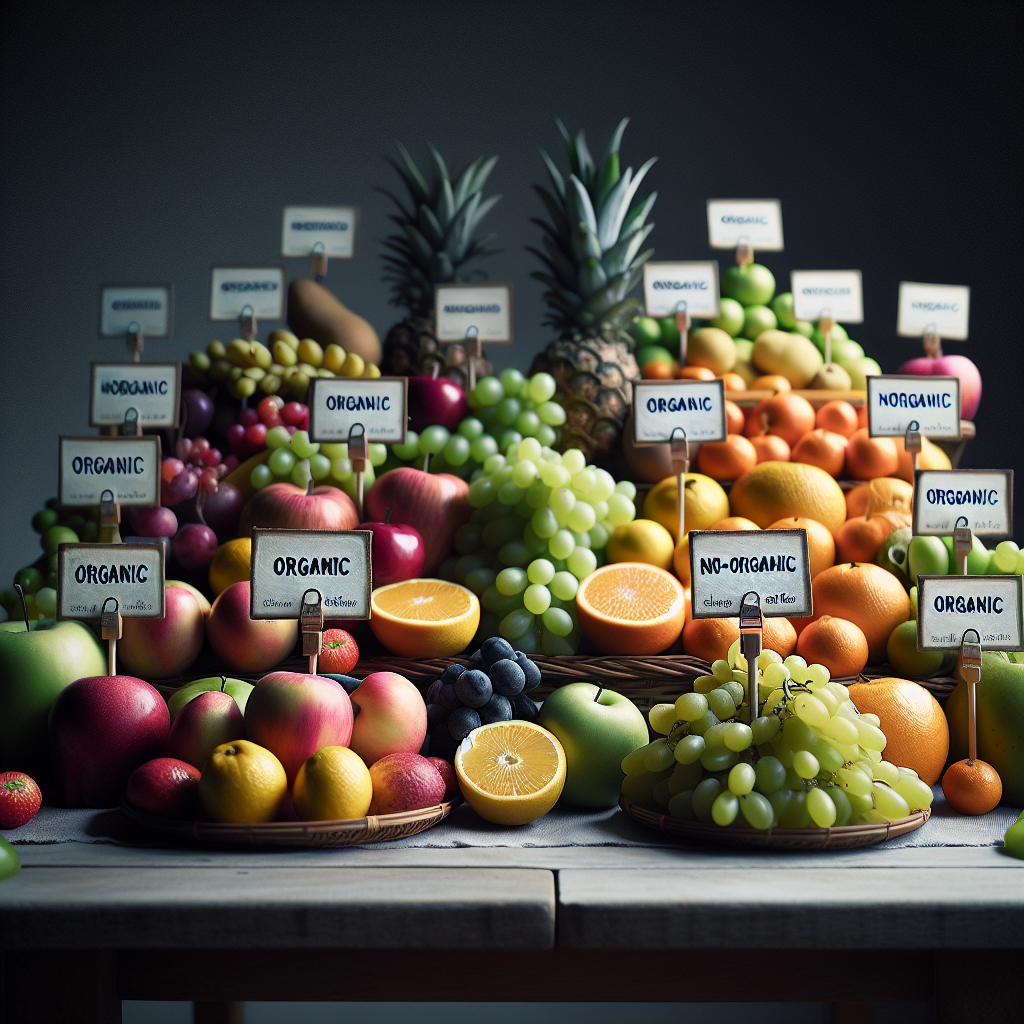
Prioritizing these foods helps mitigate the risk of pancreatic diseases and supports optimal metabolic processes. By focusing on unprocessed, organic options, individuals can reduce their exposure to harmful additives and enhance their intake of beneficial nutrients, such as antioxidants and fiber, which are crucial for pancreatic health.
Common mistakes include relying heavily on processed foods, even if they are labeled as organic, which can undermine the diet’s effectiveness. Furthermore, omitting key food groups such as healthy fats or proteins can lead to imbalances that negatively impact pancreatic function.
Essential Nutrients for Pancreatic Health
To support pancreatic function, specific nutrients play a vital role. Vitamins such as A, C, and E, along with minerals like magnesium and selenium, are important for maintaining the health of pancreatic cells. These nutrients help combat oxidative stress and inflammation, which can impair pancreatic function.
Incorporating a variety of colorful fruits and vegetables ensures a broad spectrum of these essential nutrients. For instance, leafy greens and berries are particularly rich in antioxidants, while nuts and seeds provide healthy fats and magnesium, both of which are beneficial for pancreatic health.
Additionally, individuals should be aware that deficiencies in certain nutrients can lead to inadequate pancreatic function, resulting in complications such as insulin resistance. Therefore, focusing on a balanced intake of these nutrients is crucial.
Foods to Include in Your Diet
When constructing an organic whole food diet for improving pancreatic function, consider including a variety of foods. Whole grains like quinoa, brown rice, and oats are excellent sources of fiber and nutrients that support digestive health. Legumes such as lentils and chickpeas provide protein while being low in fat, making them ideal for maintaining glucose levels.
Fruits like avocados and berries are not only delicious but also packed with healthy fats and antioxidants that promote pancreatic efficiency. Vegetables, especially cruciferous ones like broccoli and Brussels sprouts, are known to have protective effects on pancreatic health due to their high fiber content and essential vitamins.
Incorporating these foods into daily meals can be a game-changer for maintaining pancreatic health. For example, starting the day with oatmeal topped with berries and a handful of nuts can provide a nutritious breakfast that fuels the body and supports pancreatic function.
Meal Planning Strategies
Effective meal planning is key to successfully following an organic whole food diet. Start by preparing a weekly menu that includes a variety of fruits, vegetables, whole grains, and legumes. This not only ensures nutritional diversity but also makes grocery shopping more efficient.
Batch cooking can be a practical strategy, allowing you to prepare meals in advance and reduce the temptation to reach for processed foods. Consider making large portions of soups or stews that incorporate various vegetables and legumes, which can be stored and enjoyed throughout the week.
Another tip is to experiment with different cooking methods. Steaming, roasting, or sautéing can enhance the flavor and nutrient content of vegetables, making them more appealing. Prioritize meals that are rich in fiber and low in added sugars to support pancreatic health.
Common Pitfalls to Avoid
While transitioning to an organic whole food diet, individuals may encounter several pitfalls that could hinder their progress. One common mistake is assuming that all organic foods are healthy. Many packaged organic snacks can contain high levels of sugar and unhealthy fats, which can negate the benefits of a whole food approach.
Another issue is neglecting portion control, especially with healthy fats and carbohydrates. Even nutritious foods can contribute to weight gain if consumed in excess, which can affect pancreatic function adversely. It’s essential to be mindful of portion sizes and to balance meals with carbohydrates, proteins, and fats.
Lastly, failing to stay hydrated can impact digestion and overall health. Drinking enough water is crucial for maintaining proper metabolic function and supporting the pancreas. Aim for at least 8 cups of water daily, adjusting based on activity level and climate.
Further Reading
Authoritative Sources
- Dietary Approaches to Prevent and Treat Pancreatic Disease
ncbi.nlm.nih.govThis resource provides insights into how dietary choices can affect pancreatic health and offers evidence-based recommendations
- How to Keep Your Pancreas Healthy
healthline.comA comprehensive guide on dietary practices and lifestyle changes that can promote pancreatic health
- Pancreatitis: Symptoms and Causes
mayoclinic.orgThis article discusses the impact of diet on pancreatitis, highlighting foods that can help manage the condition
Frequently Asked Questions
What foods should I avoid for pancreatic health?
Avoid processed foods, high-sugar items, and excessive saturated fats, as they can strain pancreatic function.
How can I incorporate more whole foods into my diet?
Start by replacing processed snacks with whole fruits, nuts, and vegetables, and choose whole grains over refined options.
Is it necessary to go completely organic?
While organic foods can reduce exposure to pesticides, focusing on whole foods is more important for pancreatic health than strict adherence to organic labeling.
How often should I eat for optimal pancreatic function?
Eating smaller, balanced meals throughout the day can help maintain stable blood sugar levels and reduce stress on the pancreas.
Can a diet alone improve pancreatic health?
While diet plays a significant role, combining it with regular exercise and a healthy lifestyle is essential for optimal pancreatic health.
Conclusion
Incorporating an organic whole food diet can greatly enhance pancreatic function and overall health. Focus on a variety of nutrient-dense foods, practice mindful eating, and avoid common dietary pitfalls. Planning meals and being aware of portion sizes will help maintain a balanced diet that supports your pancreas effectively. Remember that dietary changes should be complemented by a healthy lifestyle for the best results.