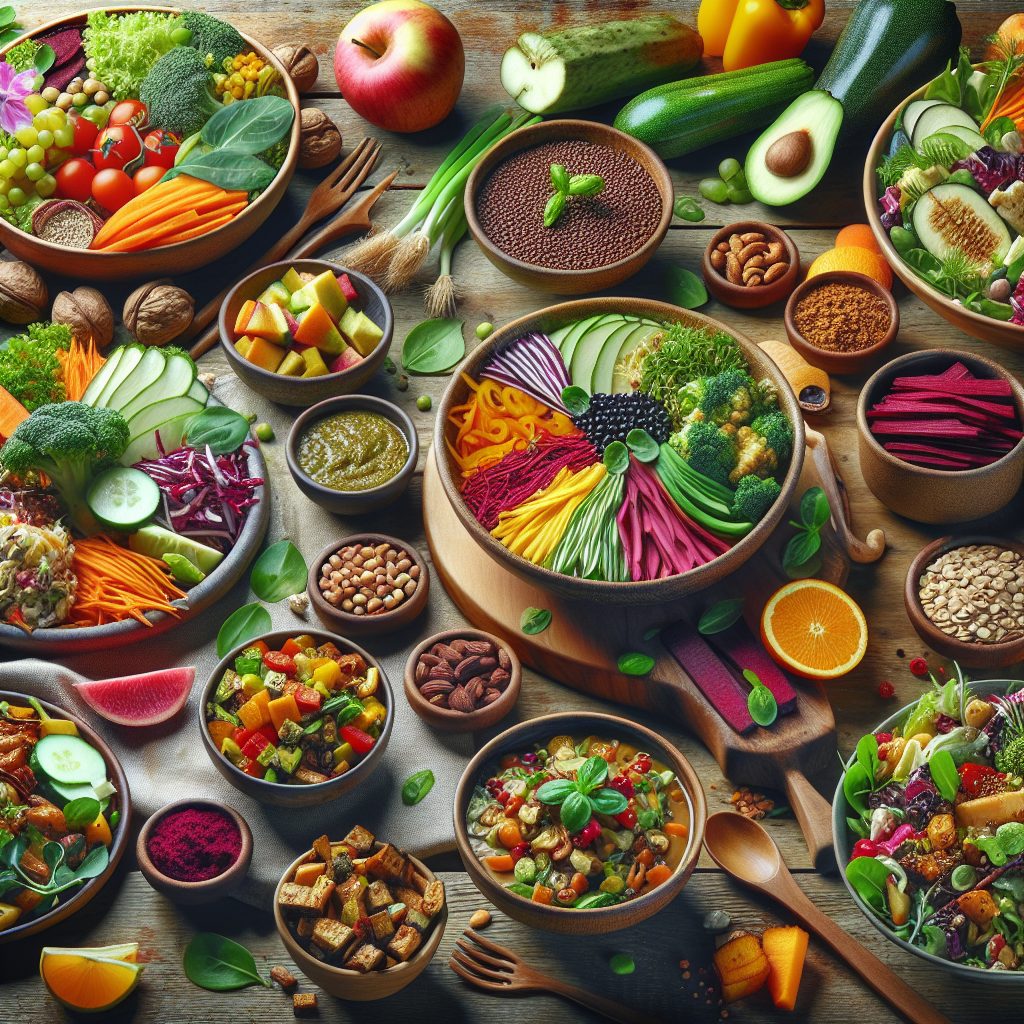
To successfully embark on an organic diet, it is crucial to prioritize selecting certified organic foods and understanding their nutritional benefits. These foods are grown without synthetic pesticides and fertilizers, which can lead to healthier eating habits and better overall health. Start by focusing on incorporating a variety of organic fruits, vegetables, whole grains, and proteins into your meals while being mindful of your budget and sourcing options.
One common mistake when transitioning to an organic diet is the assumption that all organic products are equally nutritious. In reality, the nutritional quality can vary significantly based on factors such as how the food is grown, harvested, and stored. Therefore, prioritize seasonal and local organic produce whenever possible, as it is often fresher and retains more nutrients than imported items.
Additionally, understanding the cost implications of organic foods is essential. Organic products can be more expensive than their conventional counterparts, so it’s vital to find a balance that fits your budget. Consider shopping at local farmers’ markets or joining a community-supported agriculture (CSA) program, which can provide access to fresh, seasonal organic produce at a more affordable price.
Understanding Organic Labels
When starting an organic diet, the various organic labels and certifications. The USDA Organic seal, for example, indicates that the product meets strict federal guidelines for organic farming and processing. Familiarizing yourself with these labels will help you make informed choices when shopping.
Many consumers mistakenly believe that any product labeled as ‘natural’ is organic, which is not the case. Natural products can still contain synthetic ingredients and pesticides, so always look for certified organic labels. This knowledge not only protects your health but also supports sustainable farming practices.
Choosing the Right Organic Foods
Choosing the right organic foods is a critical step when transitioning to an organic diet. Start by prioritizing organic fruits and vegetables that are known to have higher pesticide residues when conventionally grown, such as strawberries, spinach, and apples. These foods provide better health benefits when consumed organically.
Moreover, consider incorporating organic whole grains, dairy, and protein sources like eggs and meat into your diet. Look for grass-fed or pasture-raised options for animal products, as these can offer enhanced nutritional value compared to conventionally raised livestock.
Meal Planning and Preparation
Effective meal planning is vital for maintaining an organic diet. Start by creating a weekly meal plan that incorporates a variety of organic foods, ensuring you get a balanced diet. This approach helps prevent food waste and encourages you to try new recipes that highlight organic ingredients.
Additionally, consider batch cooking and prepping meals in advance. This strategy not only saves time but also makes it easier to stick to your organic eating goals. Having healthy organic meals ready to go can reduce the temptation to opt for convenience foods that may not align with your dietary preferences.
Budgeting for Organic Eating
Budgeting for an organic diet can be challenging, but it is manageable with the right strategies. Begin by allocating a specific portion of your grocery budget to organic foods. Keep track of prices and look for sales or discounts on organic items to maximize your spending.
Another tip is to prioritize purchasing organic foods that have a longer shelf life, such as grains and canned goods, while opting for conventional options for items that are less likely to retain pesticide residues, like avocados and bananas. This approach allows you to enjoy the benefits of organic eating without overspending.
For those interested in exploring more about organic diets, consider checking out resources from reputable organizations and publications that focus on organic farming, nutrition, and sustainable eating.
Frequently Asked Questions
What are the main benefits of an organic diet?
An organic diet can reduce exposure to harmful pesticides, provide fresher and more nutritious produce, and support sustainable farming practices.
How can I make organic eating more affordable?
To make organic eating more affordable, shop at local farmers’ markets, join a CSA, and prioritize seasonal produce.
Are organic foods always healthier?
While organic foods generally contain fewer pesticides, their nutritional value can vary, so it’s essential to choose a variety of organic options.
Can I wash pesticides off non-organic produce?
Washing non-organic produce can reduce pesticide residues, but it may not eliminate them entirely, so opting for organic is a safer choice.
What should I focus on when shopping for organic foods?
Focus on purchasing certified organic fruits, vegetables, and whole grains, especially those known to have high pesticide residues.
Conclusion
In closing, when starting an organic diet, prioritize selecting certified organic foods, understanding their nutritional benefits, and being mindful of your budget. Focus on incorporating a variety of organic fruits, vegetables, and whole grains to enhance your health. By making informed choices and planning your meals, you can successfully navigate the transition to an organic lifestyle while enjoying the many benefits it offers.