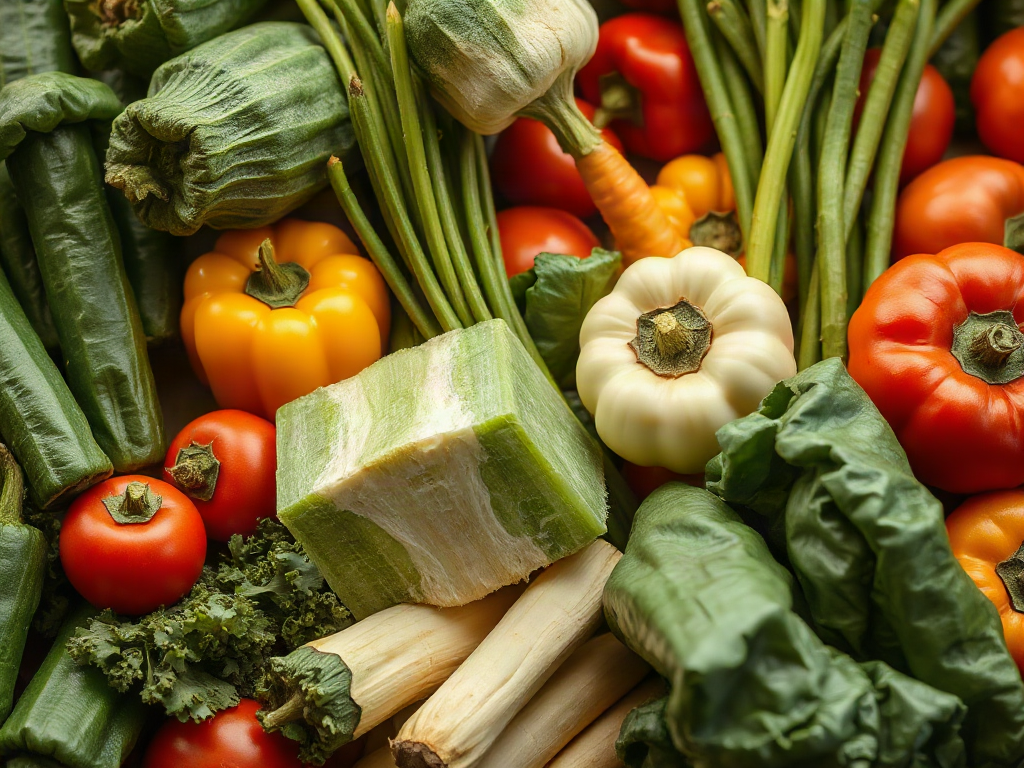
Organic vegetables stored with paper towels generally stay usable longer when the towel absorbs surface moisture without making the produce excessively dry. Line a vented container or loosely closed bag with a clean, dry towel, keep vegetables unwashed until use when practical, and replace the towel when it becomes damp. This method works especially well for leafy greens, herbs, cucumbers, and other produce that deteriorates quickly in accumulated condensation. It is less suitable for vegetables that need sustained humidity, such as untrimmed carrots, or for produce stored outside refrigeration.
Why Do Paper Towels Change Produce Storage?
Fresh produce continues releasing water after harvest, and refrigeration can turn that vapor into droplets inside a bag or container. A paper towel acts as a temporary moisture reservoir. It draws free water away from vegetable surfaces, reducing the wet patches where leaves become slick, tender skins soften, and decay often becomes visible first.
The useful distinction is between humidity and surface wetness. Many refrigerated vegetables benefit from a humid environment because dry refrigerator air pulls water from plant tissue. They do not benefit from sitting against pooled water. A towel can moderate this balance by collecting condensation while the container limits rapid dehydration. Leaving vegetables uncovered beside circulating refrigerator air may avoid condensation, but it commonly produces wilted leaves and rubbery stems instead.
Container design changes the result. In a tightly sealed box, a dry towel may initially control moisture, but it eventually becomes saturated if condensation continues. In a wide-open container, the towel may not compensate for moisture lost to the refrigerator. A produce drawer, vented box, or bag with modest airflow usually provides a more forgiving environment. The objective is neither airtight wetness nor unrestricted drying.
Consider a container of spinach. Leaves placed inside while visibly wet can compress against one another, and the towel may become soaked within a day. Spinach that is dry to the touch, loosely arranged, and checked periodically gives the towel a manageable amount of moisture to absorb. The same method cannot rescue leaves that were already slimy or bruised when purchased; damaged tissue continues deteriorating even after excess moisture is removed.
Organic status does not create a separate moisture-storage rule. Organic and conventionally grown vegetables have the same basic plant tissues and post-harvest water-loss processes. Variety, maturity, handling, temperature, damage, and freshness at purchase often matter more to refrigerator life than the production label. Paper towels are therefore a storage tool, not an organic-preservation treatment, pesticide remover, or substitute for appropriate refrigeration.
Which Organic Vegetables Benefit Most?
Paper towels are most useful for refrigerated vegetables that trap droplets around leaves, stems, or tender skins. Leafy greens are the clearest candidates because their broad surfaces pack closely together. Spinach, lettuce, arugula, kale, and chard can benefit when a towel catches condensation before it remains between layers. Tender herbs such as cilantro and parsley may also respond well, although herbs with stems standing in water require a different setup.
Broccoli, cauliflower, green beans, snap peas, cucumbers, and summer squash can benefit when condensation is visible in their packaging. For these vegetables, the towel should sit beneath or loosely around the produce rather than being compressed tightly against it. A saturated wrapper creates prolonged contact with moisture, reversing the intended effect. Cucumbers and squash also remain vulnerable to chilling injury or softening over time, so moisture control should not be mistaken for unlimited refrigerator life.
| Vegetable type | Paper-towel approach | What to monitor |
|---|---|---|
| Leafy greens | Line a container and add a loose top layer | Slime, compressed leaves, and a damp towel |
| Broccoli and cauliflower | Place a towel beneath produce in a vented container | Condensation, dark spots, and strong odors |
| Green beans and snap peas | Use one dry liner in a loosely closed bag or box | Soft spots, shriveling, or excess moisture |
| Cucumbers and summer squash | Cushion with a dry towel without wrapping tightly | Pitting, soft ends, and water-soaked areas |
| Root vegetables | Usually use a bag or humid drawer without direct wrapping | Rubbery texture, sprouting, or decay |
Root vegetables need more selective treatment. Carrots, radishes, beets, and turnips can lose firmness when stored too dry. Removing leafy tops can reduce moisture loss from the roots, while a bag or high-humidity drawer helps preserve texture. A paper towel may be useful if the bag contains visible droplets, but multiple towels or frequent replacement with very dry material can pull the environment too far toward dehydration. Whole cabbage likewise tends to need humidity more than aggressive absorption.
Onions, garlic, potatoes, and winter squash generally belong outside this refrigerator method when they are whole and intact. They need storage conditions suited to the individual vegetable, often involving dryness, darkness, ventilation, or a cool location. Wrapping them in paper towels inside a refrigerator does not address their main storage needs. Cut portions are different: once an onion or squash is cut, it should be covered and refrigerated, with a towel used only if excess moisture is accumulating.
The practical test is visible behavior. If a container repeatedly develops droplets and the vegetable becomes slick, modest absorption may help. If produce is shriveling, curling, or becoming leathery while the towel remains dry, reduce the paper, close the container more fully, or use a higher-humidity area.
How Should Vegetables Be Stored With Paper Towels?
Successful storage begins with sorting rather than wrapping. Remove vegetables with spreading mold, leaking tissue, or pronounced decay, because nearby paper cannot make damaged produce sound again. Trim only parts that would accelerate deterioration, such as carrot or beet tops, while avoiding unnecessary cuts that expose fresh tissue. Keep different vegetables separate when their moisture needs or condition differ.
For produce that is already clean and dry, line a food-storage container with one or two plain paper towels. Arrange vegetables loosely enough that air and moisture are not trapped in a dense mass. Add a towel over delicate greens if condensation tends to form on the lid, then close the container according to the produce: vented or loosely closed for moisture-prone greens, somewhat more enclosed for vegetables that wilt easily.
- Inspect: Remove deteriorating pieces and check for bruised or crushed areas.
- Dry: If vegetables were washed, drain and dry them thoroughly before storage.
- Line: Use enough paper to catch droplets without tightly wrapping every piece.
- Refrigerate: Place the container in a suitable produce drawer or stable cold area, not where vegetables may freeze.
- Recheck: Replace wet paper and use the most perishable vegetables first.
Whether to wash before storage depends on use and drying capacity. Leaving vegetables unwashed avoids introducing extra water and is often the simplest approach. Prewashing can be convenient for meal preparation, but only when the produce can be dried thoroughly with a salad spinner, clean towels, or adequate draining time. Putting freshly rinsed greens directly into a lined container overwhelms the paper and leaves moisture trapped between leaves.
Paper choice also deserves restraint. Plain, unscented towels are preferable because fragrance or cleaning additives do not belong in direct contact with food. Reusable cloth can perform a similar job, but it must be clean, dry, and changed promptly. Cloth holds more water and may remain wet longer; paper makes saturation easier to see and allows a quick replacement. Neither material should shed heavily or transfer odors.
Checking does not require a rigid daily schedule. Look when opening the refrigerator, before meal planning, or whenever droplets appear. A towel that feels cool but not saturated may still be functioning. Replace it when it is distinctly wet, clings to produce, develops discoloration, or carries an off odor. If repeated replacement is needed, the larger issue may be vegetables entering storage too wet, an overfilled container, insufficient ventilation, or unstable refrigerator conditions.
Mistakes, Spoilage Signs, and Safe Handling
The most common mistake is treating absorption as preservation rather than moisture management. A towel can delay quality loss associated with free water, but it cannot reverse age, cold damage, bruising, or microbial decay. Keeping questionable vegetables because the paper beneath them looks dry is poor judgment; the produce itself remains the deciding evidence.
Examine texture, color, smell, and the spread of damage. Wilted lettuce or a slightly flexible carrot may represent quality loss rather than a safety verdict and can sometimes still suit cooking. By contrast, widespread slime, fuzzy growth, leaking tissue, or a strong unpleasant odor indicates deterioration. Discard produce when spoilage is extensive or its condition is uncertain. Cutting around visible mold is not equally appropriate for every vegetable, particularly soft, moist produce where growth may extend beyond what can be seen.
Another failure occurs when people wrap vegetables so tightly that wet paper stays pressed against the surface. A loose liner is usually more effective than several compressed layers. The reverse error is excessive drying: replacing barely damp towels repeatedly or leaving a container wide open can make leafy greens limp and root vegetables rubbery. Adjust the entire storage environment instead of continually adding paper.
Temperature remains more influential than the towel. Refrigerate vegetables intended for cold storage promptly, avoid crowding them against areas where they may freeze, and keep the refrigerator clean. Store raw meat and seafood so their liquids cannot drip onto produce. A paper liner that contacts leaked raw animal products should be discarded along with any produce that may have been contaminated according to safe food-handling judgment; absorbing the liquid does not make the contact harmless.
Washing is a separate step from storage. Rinse vegetables under clean running water before preparation or eating, including organic produce. Soap, household cleaners, and produce stored in a paper towel do not replace appropriate washing. Drying after rinsing can improve texture and reduce splattering during cooking, but it should not be confused with disinfection.
A working setup leaves produce reasonably firm, free of pooled condensation, and without wet paper stuck to its surface. A failing setup produces recurring puddles, saturated liners, shriveling, slime, or off odors. When failure appears, use sound vegetables promptly, discard spoiled pieces, clean the container, and change one variable at a time—less prewashing, better drying, lighter packing, or more appropriate ventilation.
Frequently Asked Questions
Should organic vegetables be washed before storing them with paper towels?
Leaving them unwashed is often easier because it avoids added moisture. If you wash them first, dry them thoroughly before placing them in a lined container.
How often should the paper towel be replaced?
Replace it when it becomes distinctly wet, discolored, stuck to produce, or unpleasant-smelling. The interval varies with the vegetable, its starting moisture, and container ventilation.
Can paper towels keep vegetables fresh indefinitely?
No. They manage condensation but cannot stop aging, bruising, chilling damage, or decay. Continue checking the vegetables and use the most perishable items first.
Are reusable cloth towels suitable for vegetable storage?
Clean, dry, unscented cloth can absorb moisture, but it must be changed and laundered appropriately. Replace it promptly because a wet cloth may remain against produce longer than paper.
Which vegetables should not be wrapped in paper towels?
Whole onions, garlic, potatoes, and winter squash usually need storage conditions other than refrigerator wrapping. Root vegetables may also become limp if paper creates an excessively dry environment.
Conclusion
Use paper towels as a small adjustment to the storage environment, not as a universal produce-preservation method. Start with sound vegetables, remove obvious surface water, choose a container that balances humidity with limited airflow, and inspect both the towel and the food during normal refrigerator use. Leafy greens and other condensation-prone vegetables are the strongest candidates; root vegetables need more humidity, while whole onions, garlic, potatoes, and winter squash generally call for different storage.
Watch the results rather than following a fixed replacement schedule. Damp liners, pooled droplets, and slick leaves call for drying or ventilation changes. Shriveling and leathery texture point toward excessive airflow or absorption. Discard vegetables showing extensive spoilage, clean the container, and wash sound produce under running water before use.