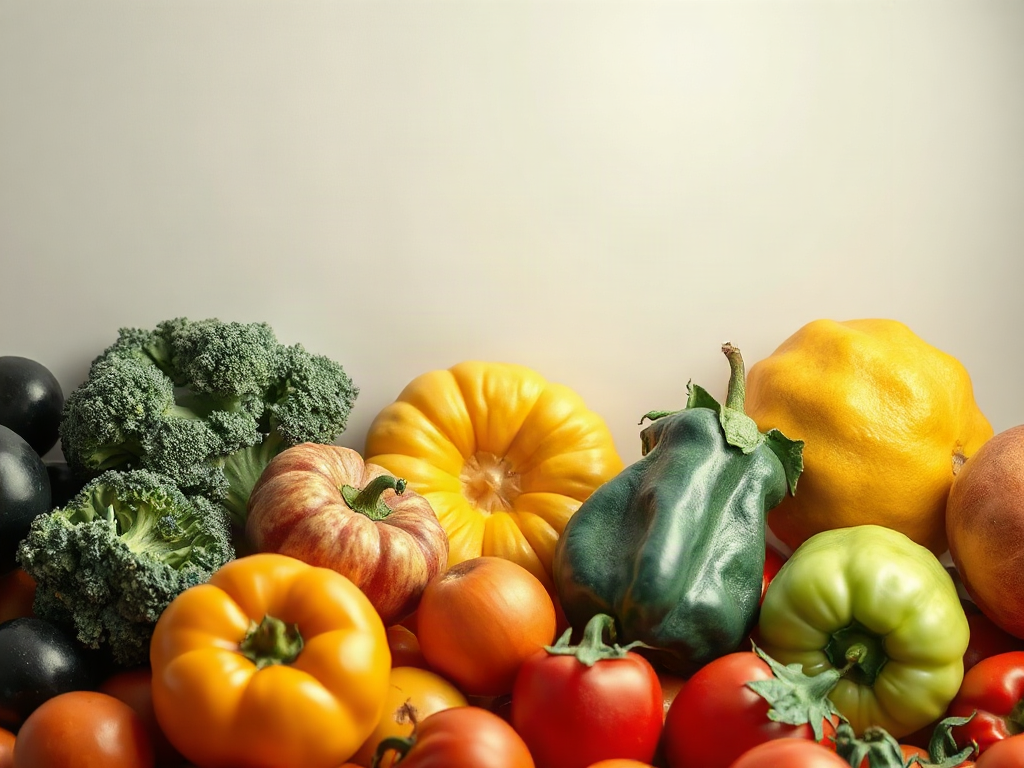
Choosing organic produce with intact protective skins means favoring fruits and vegetables without cuts, punctures, deep bruises, mold, or leaking areas while accepting harmless variations in color and shape. An unbroken peel or rind reduces exposed tissue where moisture loss and spoilage can accelerate, but it does not replace proper washing, refrigeration, or timely use. Check the stem end, underside, seams, and contact points where damage is easy to miss. Prioritize sound skin on items you will store, eat raw, or use with the peel; minor cosmetic scuffs may be acceptable when the produce will be cooked promptly.
Why Do Intact Protective Skins Matter?
A fruit or vegetable skin is a physical boundary between living plant tissue and the surrounding environment. Peels, rinds, and outer layers help limit moisture loss and shield the softer interior from pressure, dirt, and handling. Once that boundary is split or punctured, exposed tissue can dry out, soften, discolor, or deteriorate faster than the undamaged portion.
The practical importance varies by crop. A winter squash has a hard rind designed for relatively long keeping, so a crack that reaches the flesh sharply reduces its storage value. A cucumber has a thinner surface that is easily scraped, while berries rely on delicate skin that can split under pressure. Apples may tolerate light surface rubbing, but a deep bruise or puncture can create a soft area that expands during storage. The word organic describes a production and certification system; it does not mean an item is immune to physical damage or decay.
Skin condition matters most when produce must remain usable for several days. A shopper buying an apple for immediate cooking can reasonably accept a superficial blemish. Someone purchasing a bag of apples for the following week should be more selective because one leaking or decaying piece can soil neighboring fruit and make inspection difficult. The same logic applies to onions, potatoes, citrus, avocados, and firm-skinned pears.
An intact surface is not proof that produce is clean, fresh, or safe in every respect. Contaminants may be present on an undamaged exterior, and internal disorders are not always visible. Wash produce under clean running water before cutting or eating it, even when the peel will be discarded, because a knife can transfer material from the surface to the interior. Soap, bleach, and household disinfectants are not appropriate produce washes.
A common mistake is treating appearance as a complete quality test. Perfectly shaped produce may be old, dehydrated, or poorly stored, while an irregular carrot can be crisp and sound. Use the skin as one decision signal alongside firmness, odor, weight, temperature, and the way the item has been displayed.
What Should You Check Before Buying?
A useful inspection follows the places where damage begins rather than judging the item from its most attractive side. Handle produce gently, rotate it once, and check the stem end, blossom end, underside, seams, and areas pressed against packaging. These contact points often reveal moisture or bruising that is hidden from a quick top-down view.
- Look for broken skin. Reject open cuts, deep cracks, punctures, and splits that expose wet or discolored flesh.
- Check for active moisture. Leaking juice, sliminess, or liquid trapped in a package suggests tissue breakdown rather than a harmless mark.
- Test firmness appropriately. Use light pressure; do not squeeze. Compare the item with others of the same type because ripe peaches and storage onions should not feel alike.
- Inspect vulnerable ends. Mold and soft decay commonly become visible around stems, caps, scars, and blossom ends.
- Match condition to intended use. Choose the soundest items for storage and raw use; reserve mildly scuffed but otherwise firm produce for prompt cooking.
Packaging can complicate the check. Condensation inside a berry container may come from temperature change, but pooled liquid, collapsed berries, or stained absorbent pads are stronger warning signs. In a mesh bag of onions or citrus, inspect more than the pieces facing outward. If one item feels wet or gives off a fermented or musty odor, the bag is a poor choice even when most of its contents look acceptable.
Use crop-specific judgment. Potatoes should be firm and free of wet breakdown; avoid heavily greened tubers and deeply cut areas. Onions need dry outer layers and a firm neck rather than a damp, soft top. Citrus should feel substantial for its size and lack leaking punctures, although superficial peel scarring may not affect the flesh. Leafy vegetables do not have a protective rind, so assess crispness, intact leaf edges, and the absence of slime instead.
Excessive handling creates the very damage shoppers are trying to avoid. Pressing an avocado hard enough to leave a thumb depression, peeling back corn husks, or squeezing tomatoes can shorten shelf life. A light touch, visual inspection, and comparison among similar items provide better information with less harm.
Which Flaws Are Cosmetic and Which Signal Damage?
Cosmetic variation changes how produce looks without necessarily opening the protective surface or weakening the flesh underneath. Uneven color, harmless russeting, irregular shape, shallow healed scars, and soil staining may fall into this category. Organic crops can show visible evidence of weather, contact with branches, or insect activity, but the relevant buying question is whether the affected area is sealed, dry, and structurally sound.
Active damage has a different pattern. A crack with exposed flesh, a puncture surrounded by softness, spreading discoloration, fuzzy growth, sour odor, or leaking fluid indicates that the tissue is no longer well protected. A dry, corky mark on an apple is not equivalent to a wet hole. Likewise, superficial netting on a melon rind differs from a split seam that yields under light pressure.
| Observation | Likely Meaning | Practical Choice |
|---|---|---|
| Dry, shallow, sealed scar | Often cosmetic or healed | Accept if surrounding tissue is firm |
| Small surface rub without exposed flesh | Handling wear | Use sooner if storage life matters |
| Deep cut, puncture, or open split | Protective layer is breached | Choose another item |
| Soft, wet, leaking, or moldy area | Active deterioration | Do not buy |
| Uneven shape with sound skin | Growth variation | Judge by firmness and intended use |
Intended preparation changes how much cosmetic damage matters, but cooking does not make decayed produce a sensible purchase. A crooked carrot with an unbroken surface can work well in soup. A tomato with a shallow healed line may be suitable for sauce if it remains firm and smells normal. By contrast, trimming a visibly moldy or leaking section from a small, soft fruit may not address deterioration extending beyond what is visible.
Price can also affect the decision. Discounted produce with superficial scuffs may be a good value for same-day roasting, blending, or preserving. The tradeoff is a shorter and less predictable usable period. Buy only the quantity you can inspect, prepare, and consume promptly. A low price does not save money when hidden decay causes several items to be discarded.
The most frequent misconception is that every spot requires rejection. Overselecting for flawless appearance can increase waste without improving eating quality. A better standard is functional integrity: the surface is closed, the flesh remains appropriately firm, there is no active moisture or mold, and the item suits the planned storage period.
How Should Skin Condition Affect Handling and Storage?
Selection is only the first protection step because abrasion, washing, and unsuitable storage can damage sound produce after purchase. Keep heavy items away from delicate fruit in the cart and grocery bag. Melons, squash, jars, and cans should not rest on tomatoes, peaches, berries, or leafy vegetables. At home, unpack produce promptly and remove any piece that is leaking or collapsing.
Delay washing most produce until shortly before use unless it must be cleaned immediately. Residual moisture held around berries, herbs, or stem depressions can encourage faster deterioration during storage. If an item is washed early, dry it thoroughly and use a clean container that allows the appropriate amount of airflow. Ready-to-eat produce labeled as prewashed should be handled according to its package directions rather than washed automatically again.
Storage needs differ even when skins are intact. Berries, cut produce, leafy greens, and many ripe fruits generally need refrigeration. Whole onions and winter squash favor dry conditions with ventilation, while potatoes are usually kept in a cool, dark location away from excess moisture. Whole tomatoes may lose desirable texture under prolonged refrigeration, although refrigeration can slow deterioration when they are fully ripe and cannot be used soon. Condition and timing should guide the choice rather than a single rule for every crop.
Recheck stored produce instead of assuming the original inspection is permanent. Signs that storage is working include dry surfaces, stable firmness, normal aroma, and no liquid collecting in the container. Failure shows up as condensation that persists, spreading soft spots, shriveling, mold, or one damaged item affecting its neighbors. Remove deteriorating pieces and clean any spilled juice before returning sound produce to storage.
Cutting changes the situation immediately. Once a peel or rind is opened, the interior loses its original barrier and should be protected from contamination and drying. Refrigerate cut produce promptly in a clean, covered container and use it within a reasonable period based on the food and storage conditions. Discard it when odor, texture, or visible growth indicates spoilage rather than relying on the organic label or original purchase date.
Do not confuse intact skin with edible skin. Banana, avocado, pineapple, and hard squash coverings protect the interior but are generally removed in ordinary preparation. Apple, pear, cucumber, and potato skins are commonly eaten when sound and properly washed, depending on personal preference and the recipe. Peeling may remove damaged surface tissue, but it should not be used to rescue produce that is broadly soft, moldy, or leaking.
Frequently Asked Questions
Does organic produce need to look flawless?
No. Uneven shape, variable color, and dry healed marks can be cosmetic. Prioritize closed surfaces, appropriate firmness, and the absence of mold, leaks, or spreading soft areas.
Can I buy produce with a small scratch?
A shallow, dry scratch may be acceptable if it does not expose flesh and the surrounding area is firm. Use the item sooner when the mark could shorten storage life.
Should I wash organic produce before storing it?
Usually, washing shortly before use reduces the chance of storing excess surface moisture. If you wash earlier, dry the produce thoroughly and refrigerate it when appropriate.
Is a bruised fruit safe to eat?
A small bruise may be trimmed when the remaining fruit is sound, but reject fruit that is leaking, moldy, fermented-smelling, or extensively soft. When uncertain, discard it.
Does an intact peel mean produce is clean?
No. An unbroken peel protects the interior but does not guarantee a clean exterior. Rinse produce under clean running water before cutting or eating it.
Conclusion
Good selection depends on distinguishing harmless appearance differences from damage that compromises the outer barrier. Inspect hidden contact points, stem ends, seams, and package bottoms rather than choosing by color or shape alone. Closed, dry surfaces and crop-appropriate firmness deserve more weight than visual perfection.
Match your standards to how the food will be used. Choose the most structurally sound pieces for longer storage, raw meals, or eating the peel. Mildly scuffed produce may still offer good value for prompt cooking when it has no exposed flesh, leakage, mold, or abnormal odor. Once home, prevent crushing, control moisture, separate deteriorating items, and wash under running water before preparation. These habits preserve usable quality without rejecting sound organic produce merely for looking imperfect.