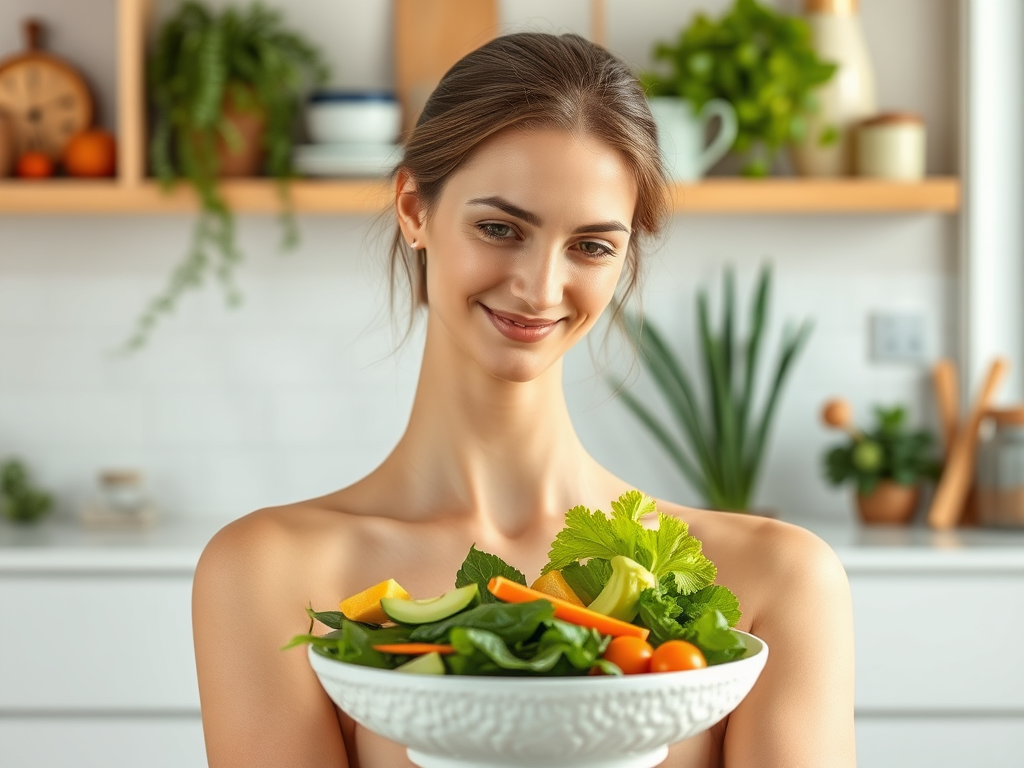
Organic diets can significantly enhance skin health by providing nutrient-rich foods that promote hydration, reduce inflammation, and support skin regeneration. Key components like antioxidants found in organic fruits and vegetables help combat oxidative stress, while essential fatty acids from organic nuts and seeds keep the skin moisturized. Additionally, avoiding synthetic chemicals in organic products minimizes skin irritation and allergic reactions, fostering a clearer complexion.
Nutrient Density of Organic Foods
Organic foods are often praised for their higher nutrient content compared to conventional options. This increased nutrient density is crucial for skin health, as vitamins and minerals found in organic produce play a significant role in maintaining skin elasticity and hydration. For instance, organic fruits and vegetables are typically richer in vitamin C, which is essential for collagen production, helping to keep skin firm and youthful.
Moreover, organic foods tend to have higher levels of phytonutrients, which are compounds that provide additional health benefits. These compounds can help reduce the risk of skin damage caused by UV exposure and environmental pollutants. Incorporating a variety of organic produce into your diet can help ensure that your skin receives a wide range of beneficial nutrients.
One common mistake people make is assuming that all organic foods are equally nutritious. It’s vital to prioritize whole, minimally processed organic options, as some processed organic foods may lack essential nutrients. Focusing on fresh fruits, vegetables, whole grains, and legumes will provide the best benefits for skin health.
Nutrient Density of Organic Foods matters because it turns how organic diets can affect skin health from a broad idea into a decision the reader can actually apply. The practical difference usually shows up in the details: how much is needed, when the choice is made, what tradeoff is acceptable, and what sign shows the approach is working. For nutrition topics, the strongest advice connects portion size, food quality, timing, and recovery instead of treating every meal as a fixed serving.
A useful way to handle this section is to compare the normal baseline with the situation that creates extra demand. If organic is the baseline concern, then skin becomes the adjustment point and foods becomes the outcome to watch. That keeps the advice specific without forcing the reader into a rigid formula that may not fit their routine, budget, tolerance, schedule, or current level of experience.
The most common mistake is changing too many variables at once. A better approach is to choose one measurable adjustment, use it consistently long enough to see a pattern, and then refine the next step based on energy, comfort, performance, safety, or reliability. This makes the guidance easier to trust because the reader can connect the recommendation to what they observe rather than guessing from a generic checklist.
The practical takeaway is to make the section actionable: identify the main constraint, choose the smallest useful change, and compare the result against the goal. When the outcome improves, the reader can keep the approach. When it does not, the next change should target the most likely bottleneck rather than repeating the same step with more effort.
The Role of Antioxidants in Skin Health
Antioxidants are essential for protecting the skin from oxidative stress, which can lead to premature aging and various skin conditions. Organic diets are rich in antioxidants due to the high consumption of fruits and vegetables. Foods like blueberries, kale, and tomatoes are excellent sources of antioxidants that help neutralize free radicals in the body.
Incorporating foods high in antioxidants can improve skin texture and tone. For example, the beta-carotene in carrots and sweet potatoes can enhance skin radiance, while vitamin E found in nuts and seeds supports skin barrier function. Additionally, antioxidants can help reduce inflammation, which is crucial for preventing conditions like acne and eczema.
It’s important to note that while antioxidants can be beneficial, they are most effective when consumed as part of a balanced diet. Relying solely on antioxidant supplements may not provide the same benefits as obtaining these compounds through whole foods. A well-rounded organic diet can provide the necessary antioxidants to support skin health effectively.
The Role of Antioxidants in Skin Health matters because it turns how organic diets can affect skin health from a broad idea into a decision the reader can actually apply. The practical difference usually shows up in the details: how much is needed, when the choice is made, what tradeoff is acceptable, and what sign shows the approach is working. For nutrition topics, the strongest advice connects portion size, food quality, timing, and recovery instead of treating every meal as a fixed serving.
A useful way to handle this section is to compare the normal baseline with the situation that creates extra demand. If skin is the baseline concern, then antioxidants becomes the adjustment point and organic becomes the outcome to watch. That keeps the advice specific without forcing the reader into a rigid formula that may not fit their routine, budget, tolerance, schedule, or current level of experience.
Impact of Chemicals in Non-Organic Foods
One of the significant advantages of an organic diet is the reduced exposure to harmful chemicals found in non-organic foods. Pesticides, herbicides, and synthetic fertilizers can have adverse effects on skin health, leading to irritation and allergic reactions. By choosing organic options, individuals can minimize their exposure to these chemicals, which can contribute to clearer and healthier skin.
Moreover, many non-organic foods contain additives and preservatives that can disrupt the skin’s natural balance. These substances may lead to breakouts or exacerbate existing skin conditions. Transitioning to an organic diet can help eliminate these potential irritants, allowing the skin to heal and rejuvenate.
However, it’s essential to recognize that not all skin issues are solely caused by diet. Factors such as stress, hormonal changes, and environmental conditions also play a role. Therefore, while adopting an organic diet can significantly improve skin health, it should be part of a holistic approach that includes proper skincare routines and lifestyle choices.
Impact of Chemicals in Non-Organic Foods matters because it turns how organic diets can affect skin health from a broad idea into a decision the reader can actually apply. The practical difference usually shows up in the details: how much is needed, when the choice is made, what tradeoff is acceptable, and what sign shows the approach is working. For nutrition topics, the strongest advice connects portion size, food quality, timing, and recovery instead of treating every meal as a fixed serving.
A useful way to handle this section is to compare the normal baseline with the situation that creates extra demand. If skin is the baseline concern, then organic becomes the adjustment point and health becomes the outcome to watch. That keeps the advice specific without forcing the reader into a rigid formula that may not fit their routine, budget, tolerance, schedule, or current level of experience.
Practical Tips for Transitioning to an Organic Diet
Making the switch to an organic diet can seem daunting, but it can be done gradually and sustainably. Start by incorporating organic fruits and vegetables into your meals, focusing on those that you consume most frequently. Gradually replace non-organic items in your pantry with organic alternatives, prioritizing high-impact items such as dairy, meat, and grains.
Consider shopping at local farmers’ markets, where you can find fresh organic produce and support local agriculture. Additionally, joining a community-supported agriculture (CSA) program can provide you with a regular supply of organic foods while connecting you with local farmers.
Be mindful of your budget when transitioning to organic foods. While organic options can be more expensive, buying in bulk, choosing seasonal produce, and planning meals can help reduce costs. Remember that the long-term benefits of improved skin health and overall well-being can outweigh the initial investment.
Practical Tips for Transitioning to an Organic Diet matters because it turns how organic diets can affect skin health from a broad idea into a decision the reader can actually apply. The practical difference usually shows up in the details: how much is needed, when the choice is made, what tradeoff is acceptable, and what sign shows the approach is working. For nutrition topics, the strongest advice connects portion size, food quality, timing, and recovery instead of treating every meal as a fixed serving.
A useful way to handle this section is to compare the normal baseline with the situation that creates extra demand. If organic is the baseline concern, then skin becomes the adjustment point and health becomes the outcome to watch. That keeps the advice specific without forcing the reader into a rigid formula that may not fit their routine, budget, tolerance, schedule, or current level of experience.
Frequently Asked Questions
Can an organic diet really improve my skin health?
Yes, an organic diet can improve skin health by providing nutrient-rich foods that support hydration, reduce inflammation, and promote skin regeneration.
What types of foods should I focus on for better skin health?
Focus on organic fruits and vegetables rich in vitamins, minerals, and antioxidants, as well as healthy fats from nuts and seeds.
Are there any drawbacks to switching to an organic diet?
Some drawbacks may include higher costs and limited availability of certain organic products, but the benefits often outweigh these concerns.
How long does it take to see improvements in skin health after switching to organic foods?
Improvements can vary by individual, but many people notice positive changes in their skin within a few weeks to a few months after adopting an organic diet.
Can I still eat non-organic foods occasionally?
Yes, occasional consumption of non-organic foods is generally fine, but focusing on organic options can enhance overall skin health.
Conclusion
Embracing an organic diet can significantly benefit your skin health by providing essential nutrients, antioxidants, and reducing exposure to harmful chemicals. By prioritizing organic fruits, vegetables, and whole foods while minimizing processed options, you can support your skin’s healing and rejuvenation processes. Transitioning to an organic lifestyle requires thoughtful planning, but the long-term rewards of clearer, healthier skin make the effort worthwhile. Start small, make informed choices, and enjoy the journey to better skin health through organic nutrition.