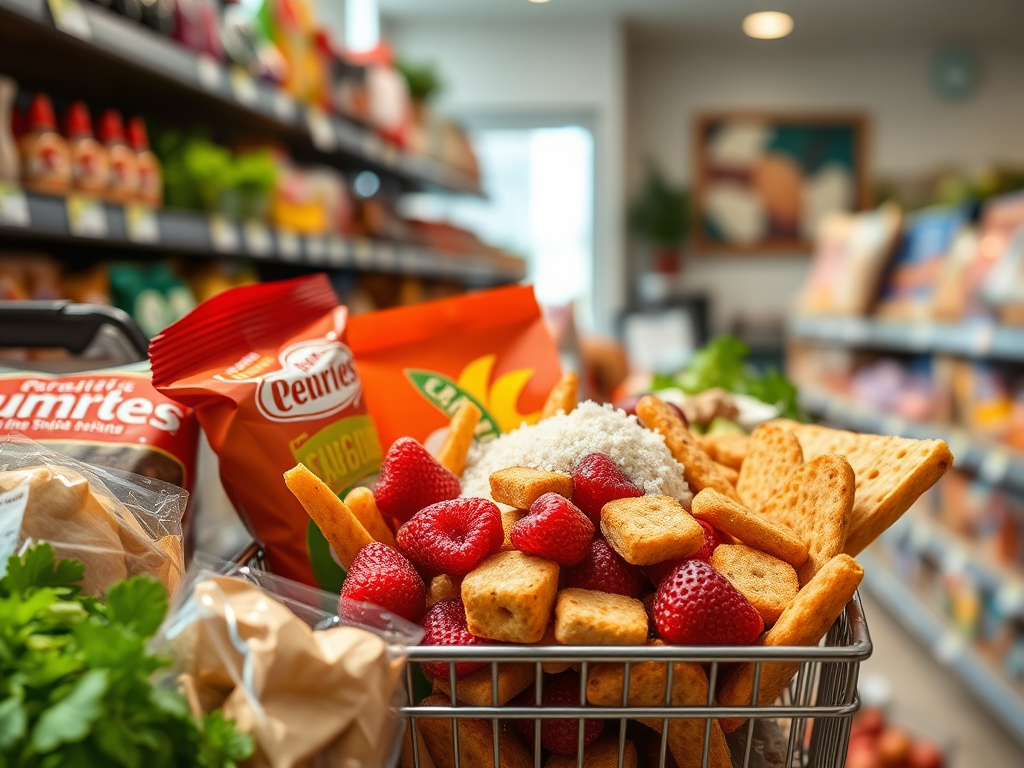
Organic snacks frequently contain hidden sugars due to misleading labeling practices and the use of natural sweeteners. Ingredients like fruit purees, honey, and agave syrup may be marketed as healthy but can contribute significant sugar content. Consumers should carefully read labels and be aware that terms like 'organic' do not guarantee low sugar levels, highlighting the need for informed choices when selecting snacks.
Understanding Hidden Sugars in Organic Snacks
Hidden sugars in organic snacks can significantly impact health and dietary choices. While many consumers opt for organic options believing they are healthier, these snacks often contain added sugars that can lead to excessive daily intake. Understanding the reasons behind this phenomenon is crucial for making informed dietary choices.
Organic snacks may contain natural sweeteners and ingredients that are perceived as healthier alternatives to refined sugars. However, these alternatives can still contribute to high sugar levels. For example, ingredients like fruit juice concentrates, honey, and agave nectar are often used in organic products but can contain high amounts of sugar. Additionally, the term ‘organic’ does not inherently mean that a product is low in sugar; it simply indicates that the ingredients meet organic farming standards.
Understanding Hidden Sugars in Organic Snacks matters because it turns organic snacks often have hidden sugars from a broad idea into a decision the reader can actually apply. The practical difference usually shows up in the details: how much is needed, when the choice is made, what tradeoff is acceptable, and what sign shows the approach is working. For nutrition topics, the strongest advice connects portion size, food quality, timing, and recovery instead of treating every meal as a fixed serving.
A useful way to handle this section is to compare the normal baseline with the situation that creates extra demand. If organic is the baseline concern, then snacks becomes the adjustment point and sugars becomes the outcome to watch. That keeps the advice specific without forcing the reader into a rigid formula that may not fit their routine, budget, tolerance, schedule, or current level of experience.
The most common mistake is changing too many variables at once. A better approach is to choose one measurable adjustment, use it consistently long enough to see a pattern, and then refine the next step based on energy, comfort, performance, safety, or reliability. This makes the guidance easier to trust because the reader can connect the recommendation to what they observe rather than guessing from a generic checklist.
The practical takeaway is to make the section actionable: identify the main constraint, choose the smallest useful change, and compare the result against the goal. When the outcome improves, the reader can keep the approach. When it does not, the next change should target the most likely bottleneck rather than repeating the same step with more effort.
Common Ingredients That Contribute Hidden Sugars
Many organic snacks include ingredients that add sugar without being explicitly labeled as such. These can range from natural sweeteners to fruit-based additives. Understanding these common ingredients can help consumers identify potential sources of hidden sugars.
- Fruit Juice Concentrates: Often touted as a natural sweetener, fruit juice concentrates can contain high levels of fructose, which can spike sugar intake.
- Agave Syrup: Marketed as a healthier alternative to sugar, agave syrup is high in fructose and can contribute to hidden sugar levels in snacks.
- Honey: While considered a natural sweetener, honey can also be high in sugars and may not be significantly healthier than refined sugar.
- Dried Fruits: Commonly used in organic snacks, dried fruits are calorie-dense and can have concentrated sugar levels compared to their fresh counterparts.
It is essential for consumers to check ingredient labels carefully to understand the sugar content of organic snacks. Even products labeled as sugar-free can contain these hidden sugars in the form of natural sweeteners.
Common Ingredients That Contribute Hidden Sugars matters because it turns organic snacks often have hidden sugars from a broad idea into a decision the reader can actually apply. The practical difference usually shows up in the details: how much is needed, when the choice is made, what tradeoff is acceptable, and what sign shows the approach is working. For nutrition topics, the strongest advice connects portion size, food quality, timing, and recovery instead of treating every meal as a fixed serving.
A useful way to handle this section is to compare the normal baseline with the situation that creates extra demand. If sugar is the baseline concern, then snacks becomes the adjustment point and hidden becomes the outcome to watch. That keeps the advice specific without forcing the reader into a rigid formula that may not fit their routine, budget, tolerance, schedule, or current level of experience.
The most common mistake is changing too many variables at once. A better approach is to choose one measurable adjustment, use it consistently long enough to see a pattern, and then refine the next step based on energy, comfort, performance, safety, or reliability. This makes the guidance easier to trust because the reader can connect the recommendation to what they observe rather than guessing from a generic checklist.
Labeling Practices and Consumer Misconceptions
Labeling practices can often mislead consumers about the sugar content in organic snacks. Terms like ‘all-natural,’ ‘sugar-free,’ or ‘made with real fruit’ can create misconceptions about the healthiness of a product.
Many organic snacks are marketed with appealing labels that emphasize their organic status or natural ingredients, leading consumers to overlook the sugar content. For instance, a snack might boast about containing real fruit but fail to mention the added sugars that contribute to its overall sweetness. This can create a false sense of security for consumers who believe they are making healthier choices.
Additionally, regulatory standards for labeling can vary, making it challenging for consumers to navigate the market. Some brands may use creative wording to downplay the sugar content, further complicating informed decision-making.
Labeling Practices and Consumer Misconceptions matters because it turns organic snacks often have hidden sugars from a broad idea into a decision the reader can actually apply. The practical difference usually shows up in the details: how much is needed, when the choice is made, what tradeoff is acceptable, and what sign shows the approach is working. For technology topics, the strongest advice connects the user goal, system constraint, maintenance burden, and measurable outcome.
A useful way to handle this section is to compare the normal baseline with the situation that creates extra demand. If organic is the baseline concern, then snacks becomes the adjustment point and labeling becomes the outcome to watch. That keeps the advice specific without forcing the reader into a rigid formula that may not fit their routine, budget, tolerance, schedule, or current level of experience.
The most common mistake is changing too many variables at once. A better approach is to choose one measurable adjustment, use it consistently long enough to see a pattern, and then refine the next step based on energy, comfort, performance, safety, or reliability. This makes the guidance easier to trust because the reader can connect the recommendation to what they observe rather than guessing from a generic checklist.
Making Informed Choices: Tips for Consumers
To avoid the pitfalls of hidden sugars in organic snacks, consumers should adopt a more informed approach when shopping. Here are some practical tips:
- Read Labels Carefully: Check the ingredient list for any added sugars, including natural sweeteners. Look for products that specify the amount of sugar per serving.
- Understand Serving Sizes: Be aware of serving sizes, as they can significantly affect the overall sugar intake. A small serving may seem low in sugar, but larger portions can lead to high sugar consumption.
- Research Brands: Familiarize yourself with brands that prioritize transparency in labeling and ingredient sourcing. Brands that are upfront about their sugar content can help consumers make better choices.
- Choose Whole Foods: Whenever possible, opt for whole foods like fruits, nuts, and seeds instead of processed organic snacks. Whole foods are less likely to contain hidden sugars.
By taking these steps, consumers can better navigate the organic snack market and make healthier choices that align with their dietary goals.
Making Informed Choices: Tips for Consumers matters because it turns organic snacks often have hidden sugars from a broad idea into a decision the reader can actually apply. The practical difference usually shows up in the details: how much is needed, when the choice is made, what tradeoff is acceptable, and what sign shows the approach is working. For nutrition topics, the strongest advice connects portion size, food quality, timing, and recovery instead of treating every meal as a fixed serving.
A useful way to handle this section is to compare the normal baseline with the situation that creates extra demand. If organic is the baseline concern, then sugars becomes the adjustment point and sugar becomes the outcome to watch. That keeps the advice specific without forcing the reader into a rigid formula that may not fit their routine, budget, tolerance, schedule, or current level of experience.