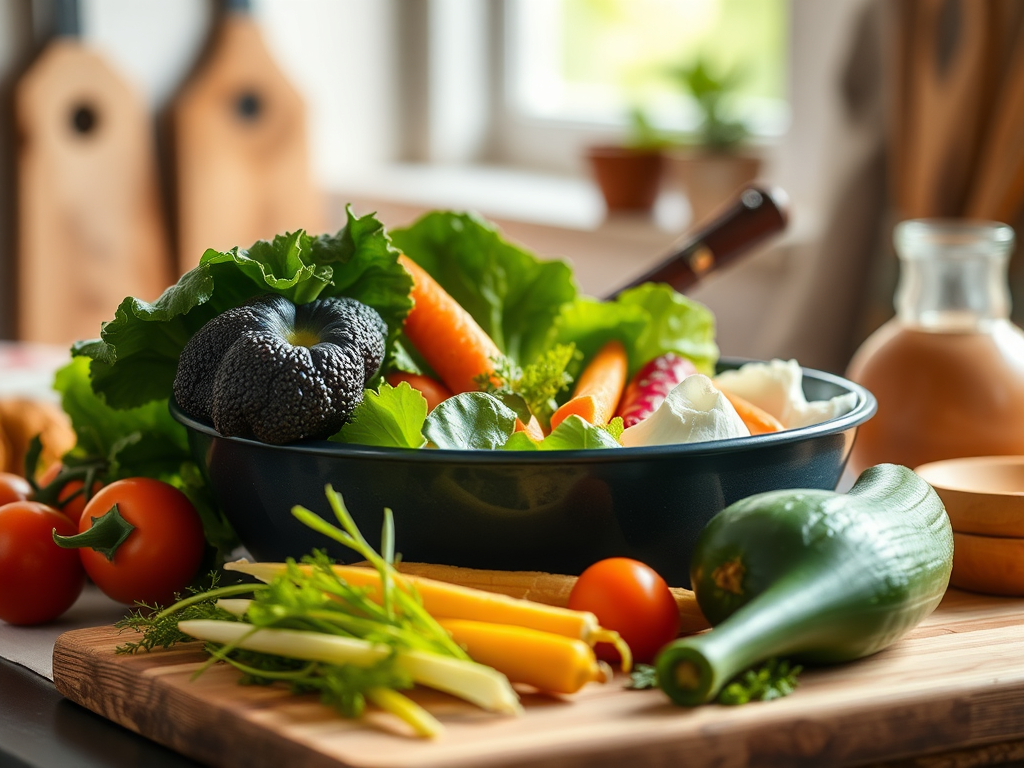
The effects of cooking methods on organic produce significantly influence both nutritional value and flavor. Cooking can enhance the bioavailability of nutrients like lycopene in tomatoes but may also lead to the loss of heat-sensitive vitamins, such as vitamin C. Additionally, different cooking techniques, like steaming versus frying, can change the flavor profiles of vegetables, impacting their overall appeal and health benefits. Understanding these dynamics is crucial for maximizing the benefits of organic produce in meals.
Nutritional Changes in Cooking Organic Produce
Cooking organic produce alters its nutritional profile, sometimes enhancing and other times diminishing its health benefits. For instance, vegetables like carrots and spinach experience an increase in certain antioxidants, such as beta-carotene, when cooked. This is because heat breaks down cell walls, making these nutrients more accessible for absorption. However, cooking can also destroy heat-sensitive vitamins, like vitamin C and some B vitamins, which are crucial for overall health.
To maximize nutritional value, consider methods that preserve vitamins, such as steaming or microwaving, rather than boiling, which can cause nutrients to leach into the water. For example, steaming broccoli retains more vitamin C compared to boiling, making it a healthier choice for preparing this cruciferous vegetable. Understanding these changes is vital for anyone looking to maintain the health benefits of organic produce.
Nutritional Changes in Cooking Organic Produce matters because it turns the effects of cooking methods on organic produce from a broad idea into a decision the reader can actually apply. The practical difference usually shows up in the details: how much is needed, when the choice is made, what tradeoff is acceptable, and what sign shows the approach is working. For nutrition topics, the strongest advice connects portion size, food quality, timing, and recovery instead of treating every meal as a fixed serving.
A useful way to handle this section is to compare the normal baseline with the situation that creates extra demand. If cooking is the baseline concern, then organic becomes the adjustment point and produce becomes the outcome to watch. That keeps the advice specific without forcing the reader into a rigid formula that may not fit their routine, budget, tolerance, schedule, or current level of experience.
The most common mistake is changing too many variables at once. A better approach is to choose one measurable adjustment, use it consistently long enough to see a pattern, and then refine the next step based on energy, comfort, performance, safety, or reliability. This makes the guidance easier to trust because the reader can connect the recommendation to what they observe rather than guessing from a generic checklist.
The practical takeaway is to make the section actionable: identify the main constraint, choose the smallest useful change, and compare the result against the goal. When the outcome improves, the reader can keep the approach. When it does not, the next change should target the most likely bottleneck rather than repeating the same step with more effort.
Different Cooking Methods and Their Effects
Various cooking methods impact organic produce differently, each with distinct effects on texture, flavor, and nutritional value. Here are some common methods:
- Boiling: Often results in nutrient loss, particularly of water-soluble vitamins. It’s best used for starchy vegetables like potatoes, where some nutrient loss is acceptable.
- Steaming: A gentle method that preserves most nutrients while enhancing flavors. It’s ideal for green vegetables like asparagus and green beans.
- Roasting: This method caramelizes sugars, intensifying flavors and creating appealing textures. However, it can lead to the formation of acrylamide in starchy produce if cooked at high temperatures for prolonged periods.
- Sautéing: Involves cooking in a small amount of fat, which can enhance flavor and nutrient absorption (like fat-soluble vitamins) but may also add calories.
- Grilling: Adds a smoky flavor and can create beneficial compounds but may also produce harmful substances if food is charred.
Choosing the right cooking method can help maximize the benefits of organic produce while minimizing nutrient loss. For instance, quick sautéing can preserve the vibrant color and nutrients of bell peppers, while longer cooking methods may lead to a mushy texture and loss of vitamins.
Different Cooking Methods and Their Effects matters because it turns the effects of cooking methods on organic produce from a broad idea into a decision the reader can actually apply. The practical difference usually shows up in the details: how much is needed, when the choice is made, what tradeoff is acceptable, and what sign shows the approach is working. For nutrition topics, the strongest advice connects portion size, food quality, timing, and recovery instead of treating every meal as a fixed serving.
A useful way to handle this section is to compare the normal baseline with the situation that creates extra demand. If cooking is the baseline concern, then methods becomes the adjustment point and produce becomes the outcome to watch. That keeps the advice specific without forcing the reader into a rigid formula that may not fit their routine, budget, tolerance, schedule, or current level of experience.
The most common mistake is changing too many variables at once. A better approach is to choose one measurable adjustment, use it consistently long enough to see a pattern, and then refine the next step based on energy, comfort, performance, safety, or reliability. This makes the guidance easier to trust because the reader can connect the recommendation to what they observe rather than guessing from a generic checklist.
Flavor Enhancements Through Cooking
Cooking does not merely change the nutritional value of organic produce; it also enhances flavors, making vegetables more appealing. The Maillard reaction, which occurs when proteins and sugars react under heat, creates complex flavors and aromas. This is particularly evident when roasting vegetables like carrots and Brussels sprouts, where caramelization occurs, resulting in a sweet, rich flavor profile.
Moreover, cooking methods like grilling and roasting can enhance the natural sugars in vegetables, providing a more robust taste. For example, grilled corn on the cob has a delightful sweetness that raw corn lacks, making it a popular choice during summer barbecues. However, it’s essential to balance cooking time and temperature to avoid bitterness or charring that can detract from flavor.
Understanding how to manipulate cooking methods to enhance flavor can lead to more enjoyable meals and encourage the consumption of organic produce, which is vital for a healthy diet.
Flavor Enhancements Through Cooking matters because it turns the effects of cooking methods on organic produce from a broad idea into a decision the reader can actually apply. The practical difference usually shows up in the details: how much is needed, when the choice is made, what tradeoff is acceptable, and what sign shows the approach is working. For nutrition topics, the strongest advice connects portion size, food quality, timing, and recovery instead of treating every meal as a fixed serving.
A useful way to handle this section is to compare the normal baseline with the situation that creates extra demand. If cooking is the baseline concern, then flavor becomes the adjustment point and methods becomes the outcome to watch. That keeps the advice specific without forcing the reader into a rigid formula that may not fit their routine, budget, tolerance, schedule, or current level of experience.
Common Mistakes in Cooking Organic Produce
While cooking organic produce can be beneficial, several common mistakes can negate these advantages. One frequent error is overcooking vegetables, which can lead to mushy textures and significant nutrient loss. For instance, boiling broccoli for too long can strip it of vital vitamins, while lightly steaming it retains both its crispness and nutritional value.
Another mistake is neglecting to season properly. Organic produce often has more delicate flavors compared to conventional produce, so under-seasoning can lead to bland dishes. Using herbs, spices, and healthy fats can enhance the taste without compromising nutritional value.
Ultimately, failing to use the correct cooking method for specific vegetables can lead to undesirable results. For example, cooking leafy greens like kale too long can result in a tough texture; instead, a quick sauté or steaming is more effective. Being mindful of these common pitfalls can help maximize the benefits of organic produce.
Common Mistakes in Cooking Organic Produce matters because it turns the effects of cooking methods on organic produce from a broad idea into a decision the reader can actually apply. The practical difference usually shows up in the details: how much is needed, when the choice is made, what tradeoff is acceptable, and what sign shows the approach is working. For nutrition topics, the strongest advice connects portion size, food quality, timing, and recovery instead of treating every meal as a fixed serving.
A useful way to handle this section is to compare the normal baseline with the situation that creates extra demand. If produce is the baseline concern, then cooking becomes the adjustment point and organic becomes the outcome to watch. That keeps the advice specific without forcing the reader into a rigid formula that may not fit their routine, budget, tolerance, schedule, or current level of experience.
Frequently Asked Questions
What is the best cooking method for preserving nutrients in organic vegetables?
Steaming is often considered the best method as it retains most vitamins and minerals compared to boiling or frying.
Does cooking organic produce make it less healthy?
Not necessarily; while some nutrients may be lost, cooking can enhance the bioavailability of others, making certain nutrients easier to absorb.
Can I cook organic vegetables the same way as conventional ones?
Generally, yes, but organic vegetables may have different flavor profiles and textures, so adjustments in cooking time and seasoning may be needed.
What are some common mistakes to avoid when cooking organic produce?
Common mistakes include overcooking, under-seasoning, and using inappropriate cooking methods for specific vegetables.
How does the cooking method affect the flavor of organic produce?
Different cooking methods can enhance or diminish flavors. For instance, roasting caramelizes sugars, intensifying sweetness, while boiling may lead to blandness.