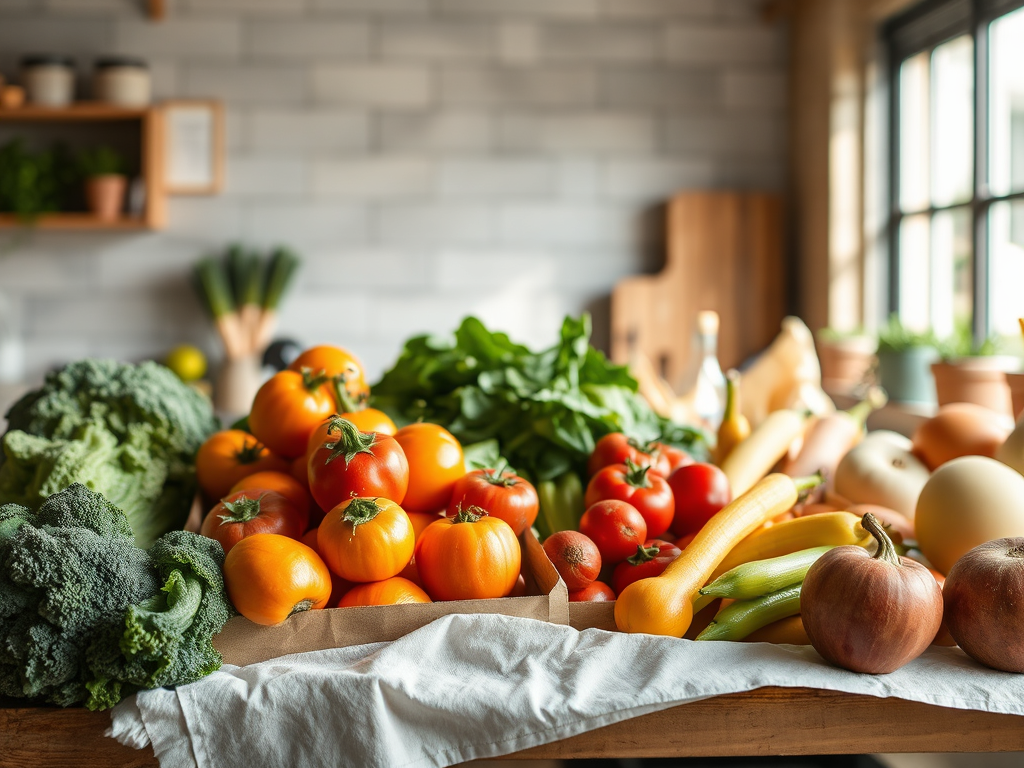
If organic produce is moldy, it’s important to assess the extent of the mold before deciding on disposal or salvage. Small areas of mold can sometimes be cut away, but if the mold is widespread or if the produce is soft, it should be discarded to prevent foodborne illness. Always wash your hands and surfaces after handling moldy produce to avoid cross-contamination.
Understanding Mold on Organic Produce
Mold is a type of fungus that can grow on organic produce, often thriving in warm and humid environments. Understanding the nature of mold is crucial for safe food handling. Mold can produce mycotoxins, which are harmful substances that can lead to foodborne illnesses. Organic produce, while free from synthetic pesticides and fertilizers, is not immune to mold growth. Factors such as improper storage, damaged skins, or high humidity can contribute to mold development.
There are various types of mold, and not all are harmful. Some molds are benign, while others can cause allergic reactions or respiratory issues. Therefore, recognizing the type of mold and the condition of the produce is essential. For instance, surface mold on hard-skinned fruits like carrots or bell peppers can often be removed, while soft fruits like berries or tomatoes may need to be discarded entirely.
Understanding Mold on Organic Produce matters because it turns to do if organic produce is moldy from a broad idea into a decision the reader can actually apply. The practical difference usually shows up in the details: how much is needed, when the choice is made, what tradeoff is acceptable, and what sign shows the approach is working. For nutrition topics, the strongest advice connects portion size, food quality, timing, and recovery instead of treating every meal as a fixed serving.
A useful way to handle this section is to compare the normal baseline with the situation that creates extra demand. If mold is the baseline concern, then produce becomes the adjustment point and organic becomes the outcome to watch. That keeps the advice specific without forcing the reader into a rigid formula that may not fit their routine, budget, tolerance, schedule, or current level of experience.
The most common mistake is changing too many variables at once. A better approach is to choose one measurable adjustment, use it consistently long enough to see a pattern, and then refine the next step based on energy, comfort, performance, safety, or reliability. This makes the guidance easier to trust because the reader can connect the recommendation to what they observe rather than guessing from a generic checklist.
The practical takeaway is to make the section actionable: identify the main constraint, choose the smallest useful change, and compare the result against the goal. When the outcome improves, the reader can keep the approach. When it does not, the next change should target the most likely bottleneck rather than repeating the same step with more effort.
Assessing the Extent of Mold Damage
When you find moldy organic produce, the first step is to assess how extensive the mold is. For hard-skinned fruits and vegetables, like cucumbers or apples, you can often salvage them by cutting away the moldy area. Ensure to cut at least one inch around and below the mold to eliminate any hidden spores. However, if the produce is soft, such as peaches or strawberries, it’s best to err on the side of caution and dispose of them entirely.
Additionally, look for other signs of spoilage. If the produce feels mushy, has an off smell, or shows significant discoloration, it is likely no longer safe to eat. Always consider the source of the produce; if it has been stored improperly or left out for too long, it’s safer to discard it.
Assessing the Extent of Mold Damage matters because it turns to do if organic produce is moldy from a broad idea into a decision the reader can actually apply. The practical difference usually shows up in the details: how much is needed, when the choice is made, what tradeoff is acceptable, and what sign shows the approach is working. The strongest advice connects the decision, the constraint, the tradeoff, and the signal that shows whether the approach is working.
A useful way to handle this section is to compare the normal baseline with the situation that creates extra demand. If produce is the baseline concern, then moldy becomes the adjustment point and organic becomes the outcome to watch. That keeps the advice specific without forcing the reader into a rigid formula that may not fit their routine, budget, tolerance, schedule, or current level of experience.
The most common mistake is changing too many variables at once. A better approach is to choose one measurable adjustment, use it consistently long enough to see a pattern, and then refine the next step based on energy, comfort, performance, safety, or reliability. This makes the guidance easier to trust because the reader can connect the recommendation to what they observe rather than guessing from a generic checklist.
The practical takeaway is to make the section actionable: identify the main constraint, choose the smallest useful change, and compare the result against the goal. When the outcome improves, the reader can keep the approach. When it does not, the next change should target the most likely bottleneck rather than repeating the same step with more effort.
Safe Handling and Disposal Practices
Handling moldy produce requires care to prevent cross-contamination. Always wash your hands thoroughly with soap and water after touching moldy items. Use a separate cutting board for moldy produce to avoid contaminating other foods. If you decide to cut away the mold, use a clean knife and ensure it’s sanitized before cutting into other items.
When disposing of moldy produce, place it in a sealed plastic bag to prevent spores from spreading. Dispose of it in the trash rather than composting, as composting can encourage mold growth in the compost pile. If you are unsure about the safety of any produce, it is better to discard it—food safety should always come first.
Safe Handling and Disposal Practices matters because it turns to do if organic produce is moldy from a broad idea into a decision the reader can actually apply. The practical difference usually shows up in the details: how much is needed, when the choice is made, what tradeoff is acceptable, and what sign shows the approach is working. For nutrition topics, the strongest advice connects portion size, food quality, timing, and recovery instead of treating every meal as a fixed serving.
A useful way to handle this section is to compare the normal baseline with the situation that creates extra demand. If produce is the baseline concern, then moldy becomes the adjustment point and handling becomes the outcome to watch. That keeps the advice specific without forcing the reader into a rigid formula that may not fit their routine, budget, tolerance, schedule, or current level of experience.
The most common mistake is changing too many variables at once. A better approach is to choose one measurable adjustment, use it consistently long enough to see a pattern, and then refine the next step based on energy, comfort, performance, safety, or reliability. This makes the guidance easier to trust because the reader can connect the recommendation to what they observe rather than guessing from a generic checklist.
Preventing Mold Growth on Organic Produce
Preventing mold growth on organic produce involves proper storage and handling techniques. Store fruits and vegetables in a cool, dry place, and ensure they are well-ventilated. Refrigerate items that are prone to spoilage, such as berries, leafy greens, and tomatoes. Always wash produce before storing it to remove any dirt or potential mold spores.
Regularly check your produce for signs of spoilage and remove any items that show early signs of mold or decay. Keeping your refrigerator clean and at the right temperature can also help inhibit mold growth. Remember that some fruits, like apples and bananas, emit ethylene gas, which can accelerate spoilage in other nearby produce. Store these separately to prolong freshness.
Preventing Mold Growth on Organic Produce matters because it turns to do if organic produce is moldy from a broad idea into a decision the reader can actually apply. The practical difference usually shows up in the details: how much is needed, when the choice is made, what tradeoff is acceptable, and what sign shows the approach is working. The strongest advice connects the decision, the constraint, the tradeoff, and the signal that shows whether the approach is working.
A useful way to handle this section is to compare the normal baseline with the situation that creates extra demand. If produce is the baseline concern, then mold becomes the adjustment point and organic becomes the outcome to watch. That keeps the advice specific without forcing the reader into a rigid formula that may not fit their routine, budget, tolerance, schedule, or current level of experience.
The most common mistake is changing too many variables at once. A better approach is to choose one measurable adjustment, use it consistently long enough to see a pattern, and then refine the next step based on energy, comfort, performance, safety, or reliability. This makes the guidance easier to trust because the reader can connect the recommendation to what they observe rather than guessing from a generic checklist.
Frequently Asked Questions
Is it safe to eat moldy organic produce?
It depends on the type and extent of the mold. Hard-skinned produce can often be salvaged by cutting away the mold, but soft produce should generally be discarded.
What should I do if I find mold on my organic fruits?
Assess the mold's extent; if it's on hard fruits, cut it away, but if it's on soft fruits, it's best to throw them away.
How can I prevent mold on my organic vegetables?
Store them in a cool, dry place, avoid washing until ready to eat, and regularly check for spoilage.
Can I wash mold off organic produce?
Washing can remove some surface mold, but it's not always effective, especially on soft produce. If in doubt, discard it.
What are the health risks of eating moldy produce?
Eating moldy produce can lead to foodborne illnesses, allergic reactions, and respiratory issues, depending on the mold type.
Conclusion
Understanding how to handle moldy organic produce is crucial for maintaining food safety. Always assess the extent of mold damage and follow safe disposal practices. Preventing mold growth through proper storage and regular inspections will help keep your organic produce fresh and safe to eat. When in doubt, it’s better to discard questionable items to ensure health and safety.