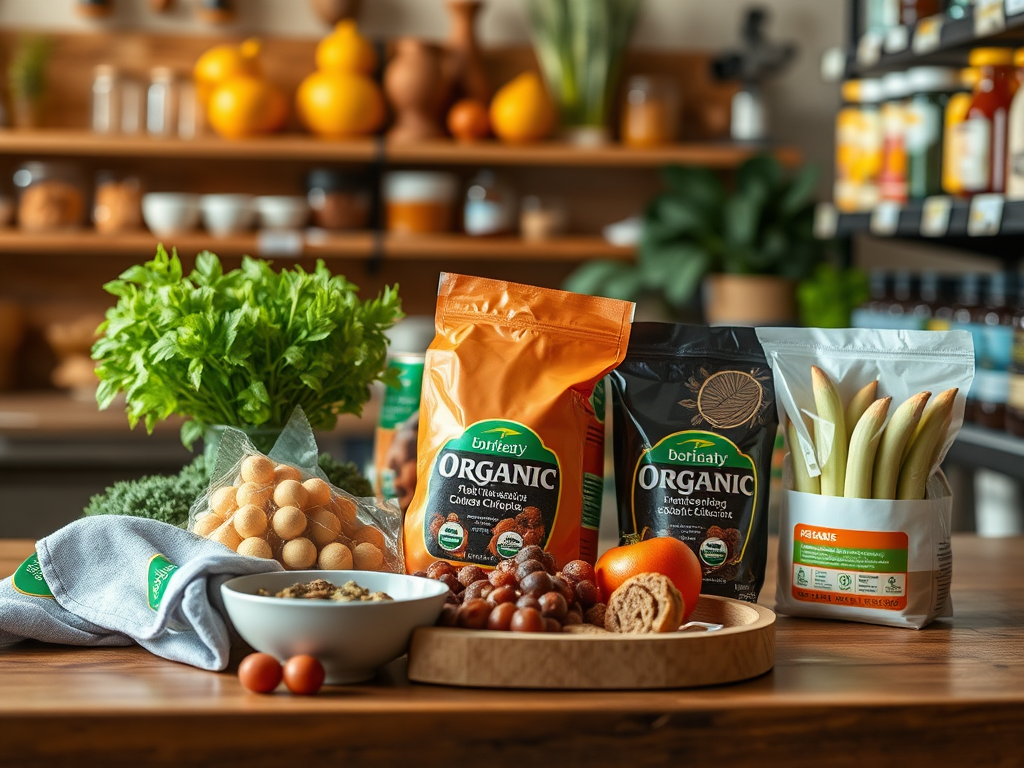
To identify the best organic brands, focus on factors like certification authenticity, ingredient transparency, and sourcing practices. Look for USDA organic certification, which ensures compliance with strict standards. Examine ingredient lists for additives or fillers, and prioritize brands that disclose sourcing information to understand the quality and ethical standards behind their products. These elements help ensure you choose brands that genuinely prioritize organic integrity.
Understanding Organic Certifications
Organic certifications are crucial for identifying reputable organic brands. The USDA organic certification, for instance, signifies that products meet rigorous standards, including the prohibition of synthetic fertilizers and pesticides. Brands that carry this certification have undergone significant scrutiny to ensure compliance with organic farming practices.
When evaluating certifications, it’s essential to understand the different levels, such as 100% organic, organic (which allows for 5% non-organic ingredients), and made with organic ingredients. Each level informs you about the product’s authenticity and the extent of organic practices involved in its production. Misleading labels, like “natural” or “eco-friendly,” often lack the stringent requirements of certified organic products, making it vital to prioritize brands that are genuinely certified.
Moreover, some brands may seek additional certifications, such as non-GMO or Fair Trade, which can further enhance their credibility. These certifications reflect a commitment to ethical sourcing and production practices, which are increasingly important to consumers.
Understanding Organic Certifications matters because it turns identify the best organic brands from a broad idea into a decision the reader can actually apply. The practical difference usually shows up in the details: how much is needed, when the choice is made, what tradeoff is acceptable, and what sign shows the approach is working. For technology topics, the strongest advice connects the user goal, system constraint, maintenance burden, and measurable outcome.
A useful way to handle this section is to compare the normal baseline with the situation that creates extra demand. If organic is the baseline concern, then brands becomes the adjustment point and certifications becomes the outcome to watch. That keeps the advice specific without forcing the reader into a rigid formula that may not fit their routine, budget, tolerance, schedule, or current level of experience.
The most common mistake is changing too many variables at once. A better approach is to choose one measurable adjustment, use it consistently long enough to see a pattern, and then refine the next step based on energy, comfort, performance, safety, or reliability. This makes the guidance easier to trust because the reader can connect the recommendation to what they observe rather than guessing from a generic checklist.
The practical takeaway is to make the section actionable: identify the main constraint, choose the smallest useful change, and compare the result against the goal. When the outcome improves, the reader can keep the approach. When it does not, the next change should target the most likely bottleneck rather than repeating the same step with more effort.
Evaluating Ingredient Transparency
Ingredient transparency is another vital aspect when identifying the best organic brands. A trustworthy brand should provide a clear and comprehensive ingredient list on its packaging. Avoid brands that use vague terms like “natural flavors” or “spices,” as these can obscure potentially harmful additives.
Look for brands that openly disclose their sourcing practices, including where ingredients come from and how they are processed. This information is often available on the brand’s website or through customer service inquiries. Brands that prioritize transparency are more likely to maintain high standards of quality and integrity.
Additionally, consider the presence of any additives or fillers in the ingredient list. High-quality organic products typically have minimal processing and fewer ingredients. Brands that use whole, minimally processed ingredients are often more aligned with the principles of organic farming and nutrition.
Evaluating Ingredient Transparency matters because it turns identify the best organic brands from a broad idea into a decision the reader can actually apply. The practical difference usually shows up in the details: how much is needed, when the choice is made, what tradeoff is acceptable, and what sign shows the approach is working. For nutrition topics, the strongest advice connects portion size, food quality, timing, and recovery instead of treating every meal as a fixed serving.
A useful way to handle this section is to compare the normal baseline with the situation that creates extra demand. If brands is the baseline concern, then organic becomes the adjustment point and ingredient becomes the outcome to watch. That keeps the advice specific without forcing the reader into a rigid formula that may not fit their routine, budget, tolerance, schedule, or current level of experience.
The most common mistake is changing too many variables at once. A better approach is to choose one measurable adjustment, use it consistently long enough to see a pattern, and then refine the next step based on energy, comfort, performance, safety, or reliability. This makes the guidance easier to trust because the reader can connect the recommendation to what they observe rather than guessing from a generic checklist.
Assessing Brand Reputation and Ethics
Brand reputation plays a significant role in identifying the best organic brands. Research customer reviews and ratings on various platforms to gauge consumer satisfaction and experiences. Brands that consistently receive positive feedback regarding product quality and customer service are likely to be more reliable.
Furthermore, consider the company’s ethical practices. Look for brands that engage in sustainable farming and fair labor practices. Certifications such as Fair Trade can be indicators of a brand’s commitment to ethical sourcing and production. Engaging with brands that support local farmers and sustainable agriculture not only contributes to the organic movement but also supports community welfare.
Social media can also provide insights into a brand’s values and practices. Brands that actively share information about their sourcing, farming practices, and community involvement demonstrate transparency and accountability, which are essential traits for building trust with consumers.
Assessing Brand Reputation and Ethics matters because it turns identify the best organic brands from a broad idea into a decision the reader can actually apply. The practical difference usually shows up in the details: how much is needed, when the choice is made, what tradeoff is acceptable, and what sign shows the approach is working. For technology topics, the strongest advice connects the user goal, system constraint, maintenance burden, and measurable outcome.
A useful way to handle this section is to compare the normal baseline with the situation that creates extra demand. If brands is the baseline concern, then organic becomes the adjustment point and brand becomes the outcome to watch. That keeps the advice specific without forcing the reader into a rigid formula that may not fit their routine, budget, tolerance, schedule, or current level of experience.
Practical Tips for Choosing Organic Brands
Selecting the best organic brands, there are several practical tips to keep in mind. First, always check for authentic organic certifications, such as the USDA seal, on the product packaging. This ensures the product meets established organic standards.
Next, make ingredient transparency a priority. Choose brands that provide clear ingredient lists and disclose sourcing information. This not only helps you avoid products with hidden additives but also aligns with the principles of organic integrity.
Additionally, take the time to research brand reputation through customer reviews and social media engagement. Brands that actively engage with their customers and demonstrate a commitment to quality and sustainability are more likely to deliver on their promises.
Lastly, consider supporting local organic brands whenever possible. Local brands often have a smaller environmental footprint and contribute to the local economy, enhancing the overall impact of your purchasing decisions.
Practical Tips for Choosing Organic Brands matters because it turns identify the best organic brands from a broad idea into a decision the reader can actually apply. The practical difference usually shows up in the details: how much is needed, when the choice is made, what tradeoff is acceptable, and what sign shows the approach is working. For technology topics, the strongest advice connects the user goal, system constraint, maintenance burden, and measurable outcome.
A useful way to handle this section is to compare the normal baseline with the situation that creates extra demand. If organic is the baseline concern, then brands becomes the adjustment point and best becomes the outcome to watch. That keeps the advice specific without forcing the reader into a rigid formula that may not fit their routine, budget, tolerance, schedule, or current level of experience.
Frequently Asked Questions
What does USDA organic certification mean?
USDA organic certification means that a product meets strict federal standards for organic farming, including the prohibition of synthetic pesticides and fertilizers.
How can I verify if a brand is truly organic?
Check for the USDA organic seal on the packaging and review the ingredient list for transparency regarding sourcing and additives.
Are all organic products healthier?
While organic products are often produced without harmful chemicals, not all organic foods are necessarily healthier; it's essential to evaluate ingredients and nutritional content.
How do I choose between different organic brands?
Consider factors like certification, ingredient transparency, brand reputation, and ethical practices to make an informed choice between organic brands.
What should I look for in organic ingredient lists?
Look for minimal ingredients, clarity on sourcing, and the absence of additives or fillers to ensure the product aligns with organic standards.
Conclusion
Identifying the best organic brands involves a multifaceted approach that prioritizes certification, ingredient transparency, and brand ethics. By focusing on these key aspects, consumers can make informed decisions that align with their values and health goals. Start by checking for authentic organic certifications, evaluating ingredient lists, and researching brand reputations. Supporting brands that demonstrate commitment to quality and sustainability not only benefits individual health but also contributes to a more ethical food system.