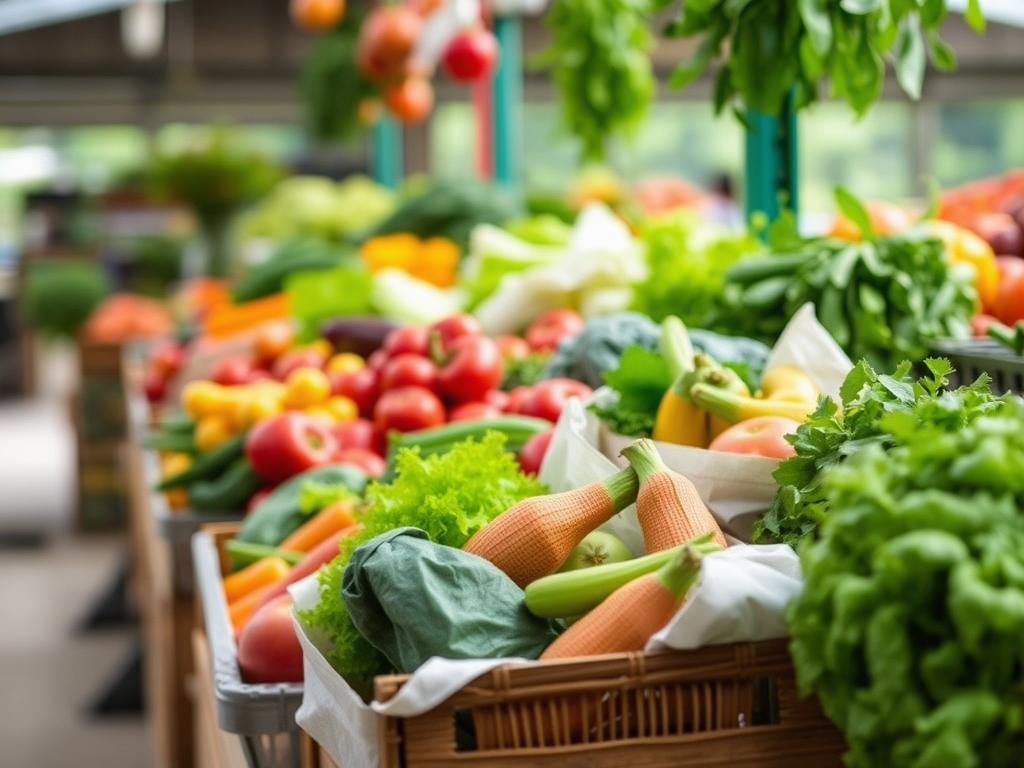
When organic produce isn't available, consider purchasing conventionally grown fruits and vegetables that are lower in pesticide residues, such as avocados and sweet corn. You can also focus on local farmers' markets, which may offer organic options or use produce from your own garden. Additionally, washing conventionally grown produce thoroughly can reduce pesticide exposure, making it a safer choice. Prioritize seasonal fruits and vegetables for better quality and flavor even if they are not organic.
Understanding the Importance of Organic Produce
Organic produce is often valued for its potential health benefits, environmental sustainability, and superior taste. Many consumers choose organic options to avoid synthetic pesticides, fertilizers, and genetically modified organisms (GMOs). Understanding these benefits can help you make informed decisions, especially when organic options are limited.
However, the absence of organic produce does not mean you must sacrifice your health or nutrition. It’s important to prioritize the quality of the food you consume. Research has shown that while organic produce may have lower pesticide residues, conventionally grown fruits and vegetables can still be nutritious and safe to eat, especially when sourced from reliable suppliers.
Understanding the Importance of Organic Produce matters because it turns to do if organic produce isn't available from a broad idea into a decision the reader can actually apply. The practical difference usually shows up in the details: how much is needed, when the choice is made, what tradeoff is acceptable, and what sign shows the approach is working. For nutrition topics, the strongest advice connects portion size, food quality, timing, and recovery instead of treating every meal as a fixed serving.
A useful way to handle this section is to compare the normal baseline with the situation that creates extra demand. If organic is the baseline concern, then produce becomes the adjustment point and available becomes the outcome to watch. That keeps the advice specific without forcing the reader into a rigid formula that may not fit their routine, budget, tolerance, schedule, or current level of experience.
The most common mistake is changing too many variables at once. A better approach is to choose one measurable adjustment, use it consistently long enough to see a pattern, and then refine the next step based on energy, comfort, performance, safety, or reliability. This makes the guidance easier to trust because the reader can connect the recommendation to what they observe rather than guessing from a generic checklist.
The practical takeaway is to make the section actionable: identify the main constraint, choose the smallest useful change, and compare the result against the goal. When the outcome improves, the reader can keep the approach. When it does not, the next change should target the most likely bottleneck rather than repeating the same step with more effort.
Alternatives to Organic Produce
When organic produce isn’t available, you can consider several alternatives. First, focus on conventional fruits and vegetables that are generally lower in pesticide residues. The Environmental Working Group (EWG) publishes an annual list of produce items with the highest and lowest pesticide levels, often referred to as the “Dirty Dozen” and “Clean Fifteen.” For example, avocados, sweet corn, and pineapples are known to have minimal pesticide residues, making them safer choices.
Additionally, buying from local farmers’ markets can provide access to fresh produce that may not be certified organic but is grown with fewer chemicals. Many local farmers practice sustainable farming methods and prioritize quality without the organic label. Engaging with farmers and asking about their farming practices can help you make informed choices.
Alternatives to Organic Produce matters because it turns to do if organic produce isn't available from a broad idea into a decision the reader can actually apply. The practical difference usually shows up in the details: how much is needed, when the choice is made, what tradeoff is acceptable, and what sign shows the approach is working. For technology topics, the strongest advice connects the user goal, system constraint, maintenance burden, and measurable outcome.
A useful way to handle this section is to compare the normal baseline with the situation that creates extra demand. If organic is the baseline concern, then produce becomes the adjustment point and available becomes the outcome to watch. That keeps the advice specific without forcing the reader into a rigid formula that may not fit their routine, budget, tolerance, schedule, or current level of experience.
The most common mistake is changing too many variables at once. A better approach is to choose one measurable adjustment, use it consistently long enough to see a pattern, and then refine the next step based on energy, comfort, performance, safety, or reliability. This makes the guidance easier to trust because the reader can connect the recommendation to what they observe rather than guessing from a generic checklist.
The practical takeaway is to make the section actionable: identify the main constraint, choose the smallest useful change, and compare the result against the goal. When the outcome improves, the reader can keep the approach. When it does not, the next change should target the most likely bottleneck rather than repeating the same step with more effort.
How to Minimize Pesticide Exposure
If you must buy conventionally grown produce, proper washing techniques can significantly reduce pesticide residues. Use a mixture of water and vinegar or a commercial produce wash to clean your fruits and vegetables thoroughly. Peeling certain produce can also help eliminate surface residues, although it may reduce some nutrient content. Always prioritize washing items like apples, potatoes, and leafy greens, which are often consumed unpeeled.
Moreover, cooking can also reduce pesticide levels in some cases, as heat may break down certain chemicals. Steaming vegetables instead of boiling them can help retain their nutrients while minimizing exposure to harmful substances. It’s essential to balance the need for clean produce with the recognition that not all conventionally grown items are harmful.
How to Minimize Pesticide Exposure matters because it turns to do if organic produce isn't available from a broad idea into a decision the reader can actually apply. The practical difference usually shows up in the details: how much is needed, when the choice is made, what tradeoff is acceptable, and what sign shows the approach is working. For nutrition topics, the strongest advice connects portion size, food quality, timing, and recovery instead of treating every meal as a fixed serving.
A useful way to handle this section is to compare the normal baseline with the situation that creates extra demand. If produce is the baseline concern, then pesticide becomes the adjustment point and reduce becomes the outcome to watch. That keeps the advice specific without forcing the reader into a rigid formula that may not fit their routine, budget, tolerance, schedule, or current level of experience.
The most common mistake is changing too many variables at once. A better approach is to choose one measurable adjustment, use it consistently long enough to see a pattern, and then refine the next step based on energy, comfort, performance, safety, or reliability. This makes the guidance easier to trust because the reader can connect the recommendation to what they observe rather than guessing from a generic checklist.
Finding Quality Non-Organic Options
Identifying high-quality non-organic produce involves understanding where and how your food is sourced. Look for brands or suppliers that emphasize sustainable farming practices, even if they are not certified organic. Some supermarkets have their own quality assurance programs that ensure higher standards for their produce.
Additionally, consider growing your own produce if you have the space and resources. Gardening allows you to control what goes into your food and can be a rewarding way to ensure you have access to fresh, nutritious options. Even small spaces can yield herbs, tomatoes, or leafy greens, providing a reliable source of produce without the organic label.
Finding Quality Non-Organic Options matters because it turns to do if organic produce isn't available from a broad idea into a decision the reader can actually apply. The practical difference usually shows up in the details: how much is needed, when the choice is made, what tradeoff is acceptable, and what sign shows the approach is working. For nutrition topics, the strongest advice connects portion size, food quality, timing, and recovery instead of treating every meal as a fixed serving.
A useful way to handle this section is to compare the normal baseline with the situation that creates extra demand. If produce is the baseline concern, then organic becomes the adjustment point and available becomes the outcome to watch. That keeps the advice specific without forcing the reader into a rigid formula that may not fit their routine, budget, tolerance, schedule, or current level of experience.
The most common mistake is changing too many variables at once. A better approach is to choose one measurable adjustment, use it consistently long enough to see a pattern, and then refine the next step based on energy, comfort, performance, safety, or reliability. This makes the guidance easier to trust because the reader can connect the recommendation to what they observe rather than guessing from a generic checklist.
Frequently Asked Questions
What should I do if I can't find organic produce?
If organic produce isn't available, consider purchasing conventionally grown items that are low in pesticide residues, such as avocados and sweet corn. You can also wash produce thoroughly to reduce pesticide exposure.
Are non-organic fruits and vegetables safe to eat?
Yes, non-organic fruits and vegetables are generally safe to eat. Washing them properly can help minimize pesticide residues, making them a healthy option.
How can I reduce pesticide exposure when buying produce?
Wash fruits and vegetables thoroughly with water or a vinegar solution, peel when appropriate, and consider cooking certain items to help reduce pesticide levels.
Where can I find high-quality non-organic produce?
Look for local farmers' markets, reputable grocery stores with quality assurance programs, and sustainable brands that prioritize environmentally friendly farming practices.
Is it worth it to grow my own vegetables?
Growing your own vegetables can provide fresh produce without pesticides, and it allows you to control what goes into your food. It can also be a rewarding hobby.
Conclusion
When organic produce isn’t available, there are still many ways to ensure you are consuming healthy, nutritious foods. Consider purchasing conventional produce that is low in pesticide residues, and explore local farmers’ markets for fresher options. Proper washing techniques can significantly reduce pesticide exposure, making conventionally grown fruits and vegetables a viable choice. Remember that growing your own produce can also be a sustainable and rewarding solution. By prioritizing quality and sourcing, you can maintain a healthy diet even when organic options are limited.