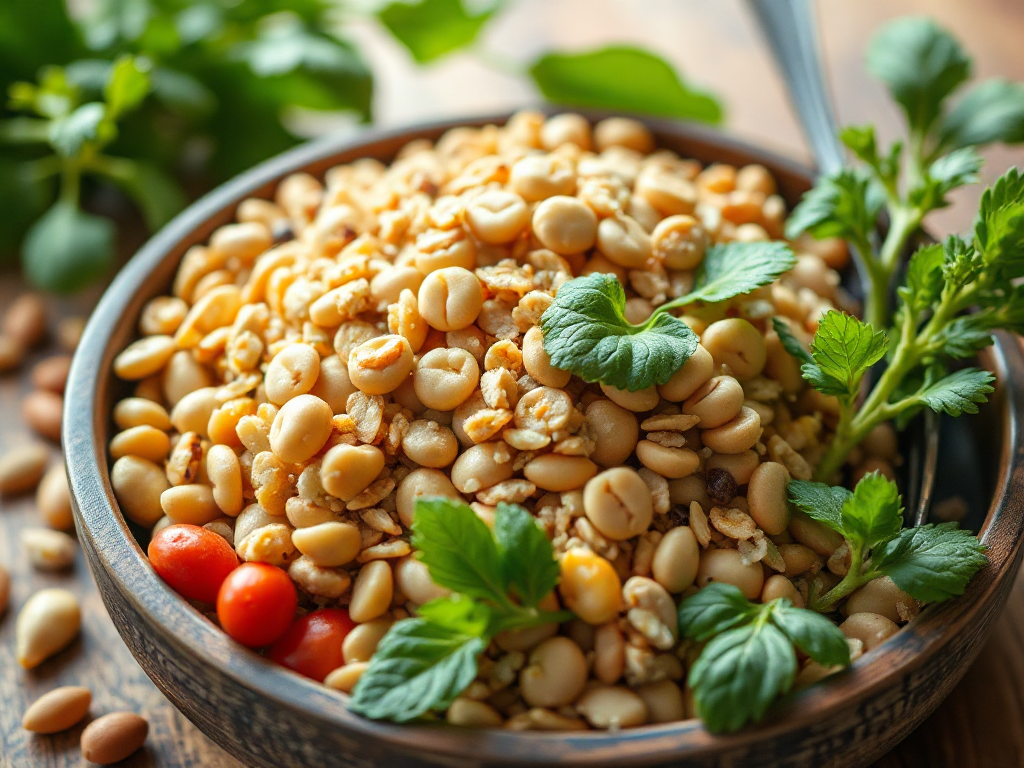
Organic foods that provide complete plant proteins include soy foods, quinoa, amaranth, buckwheat, hemp seeds, chia seeds, and some combinations such as beans with rice. These foods supply all nine essential amino acids, while soy and quinoa are especially practical as standalone protein choices because their amino acid profiles are relatively balanced. Organic certification concerns farming and handling standards, not whether a food is nutritionally complete, so compare protein content, portion size, processing, and cost separately. Rotate whole and minimally processed options, use fortified foods when appropriate, and remember that total daily protein matters more than creating a perfect combination at every meal.
What Makes a Plant Protein Complete?
A complete plant protein provides all nine essential amino acids that the body cannot make in sufficient amounts. Those amino acids are used to build and maintain muscle tissue, enzymes, hormones, immune components, and other proteins. The word “complete” does not mean that a food contains every nutrient a person needs, nor does it automatically indicate that the food is high in protein. It describes the range of essential amino acids in that particular food.
Many plant foods contain all nine amino acids but provide relatively smaller amounts of one or more of them. Grains often contribute less lysine, while legumes commonly provide less methionine. This is a matter of proportion rather than absence. A meal containing lentils, vegetables, and rice can therefore supply a broad amino acid mix even though neither the lentils nor the rice is as balanced alone as soy or quinoa.
Protein quality also depends on digestibility, serving size, and the rest of the diet. Tofu, tempeh, edamame, and soy milk generally provide more concentrated protein than a similar volume of cooked quinoa. Hemp, chia, and pumpkin seeds contribute protein along with fats and minerals, but their calorie density may matter to someone trying to keep portions moderate. A useful comparison is to ask whether a food is functioning as the main protein source, a topping, or a supporting ingredient.
A common mistake is treating “complete” as a pass-or-fail label for every meal. The body maintains an amino acid pool, so people do not usually need to match a grain and legume in the same bite. A varied eating pattern across the day is a reasonable approach for most healthy adults. People with increased protein needs, restricted diets, kidney conditions, digestive disorders, or other medical concerns should obtain individualized advice rather than rely on a general food list. For broader meal ideas, see organic plant protein choices.
Organic Foods With All Nine Essential Amino Acids
Soy foods are among the most useful organic complete-protein options because they combine a strong amino acid profile with substantial protein in ordinary servings. Organic tofu can be baked, crumbled, or added to soups; tempeh has a firmer texture and a fermented flavor; edamame works in grain bowls and salads; and unsweetened soy milk can contribute protein at breakfast. These products are not interchangeable nutritionally: tofu and tempeh are usually more concentrated than soy milk, while edamame also supplies fiber in a minimally processed form.
Quinoa and amaranth are seeds commonly prepared like grains, and both provide all nine essential amino acids. Their protein concentration is lower than that of many soy foods, but they add useful variety to meals. Quinoa can replace rice in a bowl with roasted vegetables and beans, while amaranth can be cooked into a porridge or combined with other grains. Buckwheat is another seed-related food with a complete amino acid profile; buckwheat groats and 100% buckwheat soba can serve as alternatives to wheat-based grains.
Hemp seeds, chia seeds, and some other seeds are also complete proteins. They are convenient additions to oats, yogurt alternatives, smoothies, and salads, although a spoonful is better viewed as a protein supplement to the meal rather than its entire protein foundation. Their fat content makes them filling, but that same feature can make large portions calorie-dense. Pumpkin seeds and sesame seeds are valuable protein-containing foods, yet they should not be assumed to provide the same amino acid balance as soy, quinoa, or hemp.
Organic certification does not change the definition of a complete protein. An organic tofu product and a conventional tofu product can both provide complete soy protein; the meaningful differences may instead involve ingredients, sodium, price, farming standards, and personal purchasing priorities. Check the ingredient panel and Nutrition Facts label rather than using the organic seal as a shortcut for protein quality. Choose the option that fits the meal, budget, and dietary needs. The complete plant protein reference can help organize these choices by food type.
Combining Plant Proteins Without Overcomplicating Meals
Combining complementary plant proteins is a practical way to broaden amino acid intake when a meal centers on foods that are not especially balanced alone. Beans with rice, lentils with whole-grain bread, hummus with whole-grain pita, and peanut butter with oats are familiar examples. The combination works because legumes tend to contribute lysine while grains contribute more methionine relative to legumes. The result is a more balanced protein pattern than either component would provide by itself.
The timing of the combination does not need to be exact. A bean-and-rice bowl is convenient, but lentil soup at lunch followed by whole-grain toast with dinner can also fit a varied dietary pattern. This flexibility matters for people who meal-prep, eat at work, or prefer simple plates. Trying to calculate amino acid ratios for every meal can create unnecessary complexity and may distract from more practical concerns such as eating enough food, including vegetables, and choosing a reliable protein source.
A strong meal structure usually begins with a clear protein anchor. For example, a burrito bowl can use organic black beans as the anchor, brown rice as the complementary grain, pumpkin seeds for texture, and vegetables for color and fiber. A tofu stir-fry does not require a second complete protein, but adding soba or quinoa can make the meal more substantial. For breakfast, oats with soy milk, chia, and fruit offers a different profile from toast topped with nut butter.
The common failure mode is relying on a small garnish to carry the meal. A tablespoon of hemp seeds may improve texture and nutrient variety, but it is unlikely to replace a serving of tofu, beans, lentils, or another substantial protein food. Another weak assumption is that every plant-based packaged product is nutritionally equivalent to whole foods. Compare protein per serving, sodium, added sugars, and ingredient lists. If digestive discomfort occurs after abruptly increasing beans or lentils, smaller portions, gradual increases, thorough cooking, and rinsed canned products may be more manageable than abandoning legumes entirely.
Choosing Portions, Processing, and Organic Labels
The most useful choice depends on the job a food must do in the meal. Tofu, tempeh, edamame, beans, and lentils can serve as central protein foods. Quinoa and amaranth contribute both protein and carbohydrates, making them suitable for grain bowls or side dishes. Hemp and chia are compact additions when appetite is low or cooking time is limited. A food can be nutritionally valuable without being the most efficient protein source for a particular goal.
Processing exists on a spectrum. Plain tofu, tempeh, frozen edamame, cooked beans, and unsweetened soy milk are different from highly seasoned meat alternatives with long ingredient lists. The processed option may be convenient and can help someone maintain a plant-forward pattern, but it may also contain more sodium or less protein than expected. Convenience is not automatically a disadvantage; a shelf-stable package of organic lentils may be more useful than dried beans that never get cooked.
Organic purchasing involves tradeoffs. Organic products may align with preferences about agricultural practices, but the label should not be treated as proof of higher protein, superior amino acid quality, or lower calories. Compare like with like: plain organic tofu against plain conventional tofu, or unsweetened organic soy milk against unsweetened alternatives. If the price difference reduces the amount or variety of protein a household can buy, a mixed approach may be more practical than insisting that every ingredient be organic.
Read labels for serving size, protein grams, sodium, added sugar, and fortification. Soy milk may be fortified with calcium and vitamin D, while tofu may vary in calcium depending on how it is produced. A product that is organic, complete in protein, and convenient can still be a poor fit if it contains an ingredient that conflicts with an allergy or dietary restriction. Prioritize a dependable protein serving first, then consider organic status, flavor, packaging, and cost.
A Practical Daily Plan for Protein Variety
A workable plan distributes different plant proteins through the day rather than depending on one “perfect” food. Breakfast might include oats prepared with unsweetened soy milk and topped with chia seeds. Lunch could feature quinoa, chickpeas, greens, and a lemon-tahini dressing. Dinner might use tempeh with vegetables and brown rice. This pattern includes a standalone complete protein, complementary combinations, and foods with different textures, preparation times, and nutrient profiles.
Use a simple priority order when building meals: choose the main protein, add a complementary carbohydrate or grain when useful, include produce, and then adjust fats and seasonings. For a quick dinner, frozen organic edamame may be more realistic than soaking dried beans. For batch cooking, lentils and quinoa keep meal assembly straightforward. For a packed lunch, baked tofu or a bean-and-grain salad may travel better than a delicate seed topping.
Signs that the plan is working include meals that remain satisfying, a manageable preparation routine, and enough variety that no single food has to cover every nutritional role. Signs that it needs revision include persistent hunger, very small protein portions, excessive reliance on snacks, or meals dominated by refined starches with little legume, soy, or seed content. A food diary for several ordinary days can reveal whether “plant-based” is actually translating into adequate protein and dietary variety.
People often overcorrect by buying expensive powders or specialty products before improving basic meals. Whole or minimally processed foods can form the foundation, while fortified foods or protein-rich convenience products may fill specific gaps. Protein needs vary with body size, age, activity, health status, and total energy intake, so a dietitian can help with individualized targets. Complete plant proteins support a well-planned diet, but they are not treatments for disease and do not remove the need to consider overall nutrition.
- For a main protein: choose tofu, tempeh, edamame, beans, lentils, or a comparable product.
- For amino acid variety: rotate soy, legumes, grains, quinoa, amaranth, and seeds.
- For label decisions: check protein, sodium, sugars, fortification, and ingredients separately from organic certification.
Frequently Asked Questions
Which organic plant food is the best complete protein?
Soy foods such as tofu, tempeh, edamame, and unsweetened soy milk are among the most practical choices because they provide complete protein in versatile forms. “Best” still depends on protein concentration, taste, cost, and dietary tolerance.
Are quinoa and beans complete proteins together?
Yes. Quinoa is a complete protein on its own, and combining it with beans adds complementary amino acids, fiber, and a more substantial meal structure.
Do plant proteins need to be combined at every meal?
No. Most healthy adults can obtain complementary amino acids across the day by eating varied meals that include legumes, soy foods, grains, seeds, and other protein sources.
Does organic certification make plant protein more nutritious?
Not necessarily. Organic certification addresses production and handling standards, while protein completeness depends on the food’s amino acid profile. Compare nutrition labels and ingredients separately.
Can seeds replace tofu or beans as the main protein source?
Seeds can contribute protein, but typical portions are often more calorie-dense and less substantial than tofu, tempeh, beans, or lentils. Use them as part of a varied meal rather than assuming a small topping is enough.
Conclusion
A reliable plant-protein pattern does not depend on finding one magical organic ingredient. Build meals around soy foods, beans, lentils, or another substantial protein source; use quinoa, amaranth, buckwheat, hemp, and chia to expand variety; and pair legumes with grains when that suits the dish. Treat organic certification, protein quality, processing, sodium, and price as separate decisions. The practical next step is to plan two or three repeatable meals, such as tofu with quinoa, lentil soup with whole-grain bread, or edamame with rice and vegetables. Adjust portions based on hunger and individual needs, and seek professional nutrition advice when health conditions or unusually high protein requirements make general guidance insufficient.