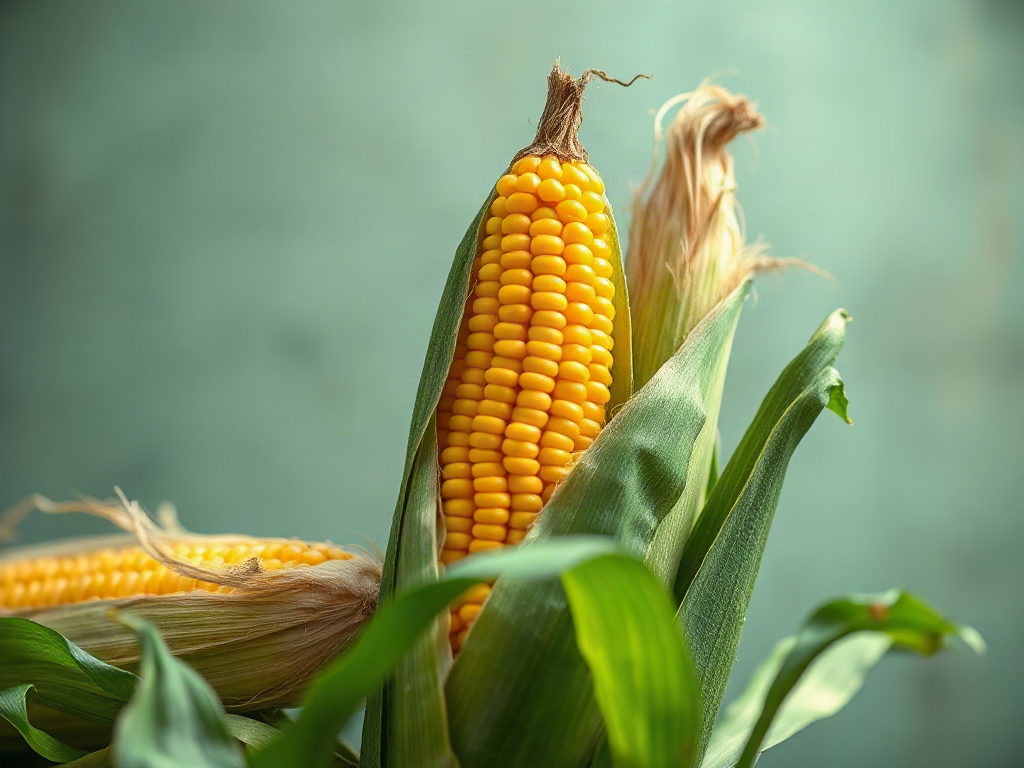
Organic corn nutrition compared with other starches is distinguished by corn’s fiber, carotenoid pigments, modest protein, and whole-kernel structure, but the best choice depends on the meal rather than organic status alone. Whole corn generally offers more intact fiber than refined corn products, while beans provide more protein, potatoes supply more potassium, and brown rice has a different mineral profile. Preparation and portion size strongly influence fullness and blood glucose response. Choose plain kernels or minimally processed corn for everyday meals, pair them with protein and vegetables, and treat chips, sweetened cereals, and refined corn snacks as processed foods rather than nutritional equivalents.
What Does Whole Corn Provide?
Whole sweet corn occupies a middle ground between a starchy vegetable and a whole grain. Fresh or frozen kernels contain carbohydrate for energy, some fiber and protein, and a high proportion of water. Yellow varieties also contain carotenoids, including lutein and zeaxanthin. Corn is not exceptionally concentrated in any single nutrient, but its combination of texture, color, and moderate starch makes it useful in mixed meals.
The intact kernel matters. Its outer structure slows eating and retains more fiber than products made from highly refined corn flour or isolated corn starch. Chewing whole kernels alongside beans, vegetables, eggs, fish, or poultry also creates a different meal from drinking a corn-derived sweetener or eating a low-fiber puffed snack. Ingredients that originate from the same crop are not nutritionally interchangeable after milling, extraction, added fat, or added sugar changes the food.
Fresh, frozen, and canned kernels can all be reasonable choices. Frozen corn is commonly harvested and preserved without the sauces found in some prepared products. Canned corn is convenient and shelf-stable, although sodium varies; draining and rinsing can reduce surface salt. Corn on the cob may encourage a more deliberate portion because the serving remains visible. By contrast, a large bowl of loose kernels can become the main volume of a meal before protein and non-starchy vegetables are added.
A common mistake is treating corn as a free vegetable while also serving rice, bread, or potatoes in the same meal. Corn contributes more carbohydrate than leafy greens, cucumbers, or broccoli, so it usually belongs in the starch portion of the plate. That does not make it unsuitable. It simply means the rest of the plate should be planned around it rather than layered with several starches by default.
Preparation can preserve corn’s role as a simple whole food or transform it into a calorie-dense dish. Steaming, microwaving, grilling, or simmering kernels with herbs keeps additions visible and adjustable. Butter, mayonnaise, cheese, sugary glazes, and heavy cream can contribute more energy, saturated fat, sodium, or sugar than the corn itself. The useful question is therefore not whether corn is nutritious in isolation, but what form is being eaten and what accompanies it.
How Does Corn Compare With Common Starches?
Corn does not consistently beat rice, potatoes, beans, or oats; each starch brings a different nutritional advantage. Whole kernels provide fiber and carotenoid pigments, potatoes are notable for potassium and vitamin C when prepared with minimal processing, beans combine starch with substantially more protein and fiber, and oats supply soluble fiber. Brown rice offers a neutral base and retains more of the grain than white rice, while white rice may be preferable when a softer texture or lower-fiber food is needed.
| Starch | Notable strengths | Practical limitation | Useful meal role |
|---|---|---|---|
| Whole corn kernels | Fiber, carotenoids in yellow corn, texture | Less protein and fiber than beans | Salads, bowls, soups, or a side dish |
| Beans or lentils | Protein, fiber, folate, minerals | May require gradual introduction for digestive comfort | Starch and protein combined |
| Potatoes | Potassium and vitamin C | Toppings and frying can dominate the final dish | Baked, boiled, or roasted meal base |
| Brown rice | Whole-grain structure and versatile flavor | Longer cooking time than refined rice | Grain bowls and stir-fries |
| Oats | Soluble fiber and convenient preparation | Sweetened packets can add substantial sugar | Breakfast or savory porridge |
Blood glucose response cannot be predicted from the crop name alone. Ripeness, particle size, cooking, cooling, portion size, and the rest of the meal can alter how quickly carbohydrate is digested. Finely milled corn cereal is structurally different from chewy kernels, just as mashed potatoes differ from an intact baked potato. Protein, fat, and fiber from accompanying foods may slow digestion, but they do not erase the carbohydrate content.
Consider two lunches. A bowl containing corn, black beans, cabbage, tomatoes, avocado, and a modest serving of chicken has multiple sources of fiber and protein. A lunch made from corn chips and a sweet drink may contain corn-derived ingredients yet provide less water, less intact structure, and more sodium or added fat. Calling both meals “corn-based” hides the processing differences that matter most.
The best comparison starts with the eater’s need. Someone seeking more plant protein may favor beans. A person who wants an easy gluten-free whole-food side might choose corn or potatoes, while confirming packaged seasonings meet any medical dietary restrictions. Athletes needing readily available carbohydrate may use rice or potatoes in larger amounts. People managing blood glucose should consider portions and monitor their individual response with guidance from a qualified clinician rather than assuming one starch is universally safe or harmful.
Does Organic Status Change Corn’s Nutritional Value?
Organic certification primarily describes production practices; it does not automatically make corn higher in fiber, protein, vitamins, or minerals. Nutrient content varies with corn variety, maturity, soil conditions, storage, and cooking. Differences between whole kernels and refined corn products are usually more useful for meal planning than the organic label by itself.
Choosing certified organic corn may align with preferences about farming methods and permitted agricultural inputs. Those preferences are legitimate purchasing considerations, but they should remain separate from claims that organic corn is inherently more nourishing. A certified organic corn chip is still a fried or baked snack if it is made with refined meal, oil, and salt. Conventional frozen kernels may retain an intact food structure and fit a balanced meal more readily than a heavily processed organic snack.
Label reading resolves much of the confusion. On a single-ingredient bag of frozen corn, the ingredient list may simply name corn. On canned products, check for salt, sugar, or sauces. For tortillas, cereals, polenta, and snacks, inspect the first ingredients, fiber content, added sugars, sodium, and serving size. “Made with organic corn” identifies an ingredient or production attribute; it does not tell you whether the product is whole grain, minimally processed, low in sodium, or suitable for a particular health condition.
Budget also changes the decision. If organic corn costs more, compare the price with the qualities you actually value: certification, local production, flavor, package size, or convenience. Do not sacrifice meal variety to pay a premium based on an assumed nutrient advantage. A mix of affordable frozen vegetables, legumes, whole grains, potatoes, and corn can provide broader nutritional coverage than repeatedly buying one premium ingredient.
Genetic modification is another source of label confusion. Organic standards address how certified food is produced, while nutrient quality still depends heavily on the edible form and preparation. Shoppers who care about both production methods and nutritional value should use a two-step check: confirm the certification claim, then evaluate the food’s ingredients and processing. Success looks like a product that meets the purchasing preference and performs a clear role in the meal. Failure looks like relying on the front label while overlooking added sugar, sodium, or an unexpectedly small serving.
How Should You Choose and Serve Corn?
Use corn as the meal’s designated starch, then add protein and non-starchy vegetables around it. This approach keeps portions understandable without requiring corn to be labeled good or bad. It also prevents the common pattern of combining corn, rice, tortilla chips, and a flour tortilla while leaving little room for vegetables or a protein source.
A practical serving does not need a universal gram target because energy needs, age, activity, appetite, and medical considerations differ. Begin with an amount comparable to the other cooked starches you normally use, observe fullness and meal balance, and adjust. Someone doing prolonged physical activity may need more carbohydrate than a sedentary person eating a late dinner. People following a clinician-directed carbohydrate plan should use that plan rather than a generalized plate estimate.
Apply this short selection checklist at the store and in the kitchen:
- Identify the form. Prefer kernels, corn on the cob, or clearly labeled whole-grain products when fiber and intact structure are priorities.
- Check additions. Compare sodium, added sugar, oils, sauces, and the stated serving size.
- Assign the meal role. Decide whether corn replaces rice, bread, pasta, or potatoes rather than automatically accompanying them.
- Add nutritional contrast. Pair it with beans, tofu, eggs, fish, poultry, yogurt-based sauces, or another suitable protein plus colorful vegetables.
For a quick dinner, frozen corn can be heated with black beans, peppers, onions, and spices, then served with cabbage and a protein. In a summer meal, grilled corn can accompany fish and a tomato-cucumber salad without an additional pile of fries. Corn added to vegetable soup contributes sweetness and body, but a soup dominated by corn and noodles may need more legumes or protein to become filling.
Signs the approach is working include a meal with varied textures, a visible protein source, vegetables beyond corn, and enough satisfaction to avoid immediate grazing. Signs it needs adjustment include routinely feeling hungry soon afterward, using corn mostly through chips or sweetened cereal, or stacking several starches without noticing. Hunger does not necessarily mean corn failed; the meal may have lacked protein, fiber, fat, or sufficient total food.
Digestive tolerance and personal health needs deserve equal weight. Increasing whole kernels and beans quickly may cause discomfort for some people, so gradual changes and adequate fluid intake may be easier. Corn allergy requires avoidance and professional guidance, while celiac disease calls for attention to cross-contact and product labeling even though corn itself does not naturally contain gluten. Nutrition choices can support a dietary pattern, but they should not be treated as treatment for diabetes, digestive disease, or another medical condition.
Conclusion
Whole corn can be a useful starch when its form and role in the meal remain clear. Prioritize kernels, corn on the cob, or appropriately labeled whole-grain products over choices dominated by refined flour, added sugar, salt, or oil. Compare alternatives by the nutrients and function needed: beans for more protein and fiber, potatoes for potassium, oats for soluble fiber, or rice for a versatile grain base.
Organic certification may influence how you shop, but it should not replace ingredient and nutrition-label checks. At the next meal, choose one primary starch, add a meaningful protein source, and fill out the plate with non-starchy vegetables. Adjust the amount for appetite, activity, tolerance, and any clinician-directed plan rather than relying on a universal ranking of starches.
Frequently Asked Questions
Is organic corn healthier than regular corn?
Not automatically. Organic certification concerns production standards, while fiber, vitamins, minerals, processing, portion size, and added ingredients determine much of the food’s nutritional role.
Is corn better than rice?
Neither is universally better. Whole corn contributes fiber and carotenoids, while brown rice offers whole-grain variety and white rice may suit people who need a softer, lower-fiber option.
Does corn count as a vegetable or a starch?
Sweet corn is commonly classified as a starchy vegetable. For practical meal planning, count it with rice, potatoes, bread, or other carbohydrate-rich sides rather than with non-starchy vegetables.
Are frozen and canned organic corn nutritious?
Both can be useful. Choose versions without heavy sauces or added sugar, compare sodium on canned products, and drain or rinse canned kernels when appropriate.
Is corn suitable for blood sugar management?
Corn can fit some individualized eating plans, but portion, processing, preparation, and meal composition affect the response. Follow clinician-provided carbohydrate guidance when managing diabetes or related conditions.