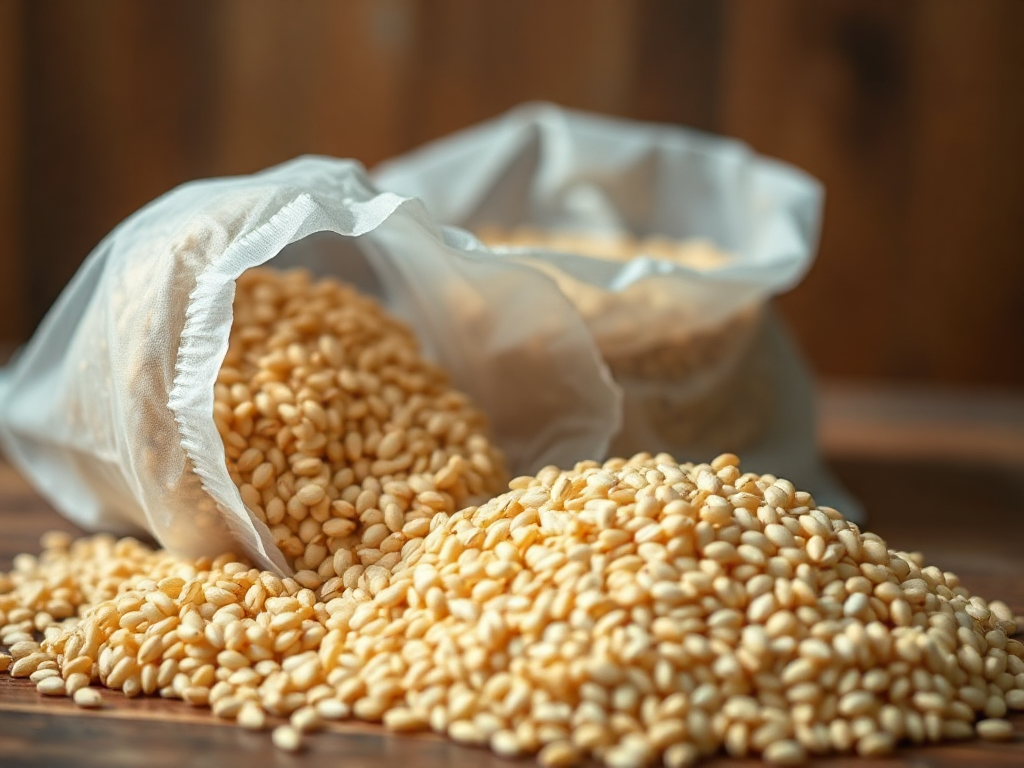
How processing changes nutrition in organic grains depends on which part of the grain is removed, how much heat or water is used, and how long the product is stored. Milling can reduce fiber, minerals, and phytochemicals when bran and germ are separated, while cooking softens starch and improves digestibility but may lower some heat-sensitive vitamins. Fermentation and sprouting can alter phytate and protein availability, although results vary by grain and method. Choose intact or minimally milled grains for more fiber, compare whole-grain labels carefully, and treat organic certification as a farming standard rather than a guarantee of higher nutrient levels.
What Milling Removes From a Grain
Grain processing begins with the structure of the kernel. A whole grain contains the bran, germ, and endosperm. The bran supplies much of the fiber and several minerals, the germ contains oils and some vitamins, and the endosperm provides most of the starch. When a grain is cracked, rolled, or milled without removing these layers, its nutritional profile remains closer to the original kernel. When it is refined into a fine white flour, the bran and germ are largely separated from the starchy endosperm.
That distinction explains why organic whole-wheat flour, organic brown rice, and steel-cut oats do not have the same nutritional characteristics as refined organic flour, white rice, or instant rice. Organic certification addresses farming and handling requirements; it does not mean that a grain was left intact or that refining did not change its nutrient composition. A refined organic cracker can still contain less naturally occurring fiber than a bowl of intact organic barley.
Particle size also affects eating and digestion. Rolled oats expose more surface area than oat groats, while finely ground flour is easier to mix and digest quickly. The grain has not necessarily lost every nutrient through rolling, but its starch becomes more accessible and the food may produce a different level of fullness for some people. A useful comparison is steel-cut oats versus instant oats: both may begin with the same grain, yet cutting, steaming, drying, and flaking create different textures and cooking times.
A common mistake is judging a product by the word “multigrain.” That term can describe several grains without confirming that they are whole. Check the ingredient list for a whole-grain term near the beginning, and examine the fiber amount rather than assuming that a dark color proves nutritional quality. The related topic, How processing changes nutrition in organic grains, is best evaluated by the grain’s structure and processing method, not its organic label alone.
How Heat, Water, and Cooking Alter Nutrients
Cooking changes grain nutrition mainly by altering starch, water content, texture, and the stability of individual nutrients. Heat causes starch granules to absorb water and swell, a process that makes cooked rice, oats, wheat berries, and corn products easier to chew and digest. That change is useful: uncooked grains are generally too hard for normal eating, and cooking improves palatability and access to energy. It does not mean that raw or lightly processed grains are automatically better.
Water-soluble vitamins, including some B vitamins, can move into cooking water, while prolonged heating may reduce portions of heat-sensitive compounds. The size of the effect depends on the grain, cooking time, water volume, temperature, and whether the liquid is discarded. Cooking brown rice in excess water and draining it is nutritionally different from absorbing a measured amount of water, as is simmering oatmeal for several minutes compared with using a heavily processed instant product.
Heat can also create useful changes. Proper cooking reduces the hardness of the grain and may make its starch more accessible. Cooling some cooked starchy foods can increase the proportion of resistant starch, although the result varies with the grain, recipe, cooling time, and reheating method. Resistant starch is not a magic nutrient, and cooked grains should still be handled safely and refrigerated promptly when saved.
Processing can become excessive when convenience replaces the grain itself. Flavored instant rice packets, sweetened breakfast cereals, and baked grain snacks may contain added sodium, sugar, or fat that matters more nutritionally than the small differences caused by cooking. For a practical comparison, cook a batch of organic quinoa or barley at home and compare its ingredient list with a packaged grain side dish. The plain grain gives you more control over additions, while the packaged option may be reasonable when time is limited.
Do not assume that shorter cooking always preserves more nutrition. Undercooked grains can be unpleasant and may limit how much you eat, whereas a properly cooked whole grain can contribute fiber, minerals, and satisfying texture. Prioritize a minimally refined grain, use a method that retains the cooking liquid when appropriate, and avoid turning nutrition into a contest between raw and cooked foods.
Sprouting, Fermentation, and Other Processing Methods
Sprouting and fermentation produce different nutritional changes from milling or heating. During sprouting, a seed begins to germinate and uses stored compounds to support growth. Enzymes become active, the texture changes, and the levels of some phytochemicals may shift. Fermentation uses microorganisms to transform carbohydrates and other compounds in a grain mixture. Sourdough bread is a familiar example, but the outcome depends on the starter, fermentation time, flour type, and baking process.
These methods may reduce some phytate, a compound that can bind minerals in the digestive tract, but the degree of change is not fixed. Soaking, sprouting, fermentation, and cooking can work together, and the final food still contains the nutrients and compounds determined by the original grain. A long-fermented whole-grain bread may differ from a quickly mixed refined loaf, but fermentation does not restore bran removed during milling.
Processing can also change protein texture and flavor. Fermented grain foods may taste more acidic and have a softer crumb; sprouted grains may taste sweet or malty. Those sensory changes affect practical use. Someone who dislikes dense whole-grain bread may find a fermented loaf easier to include, while a sprouted-grain product may not suit every recipe or storage situation.
Label language creates several traps. “Sprouted” does not necessarily mean the entire product is made from sprouted whole grains, and “stone-ground” does not by itself prove that bran and germ remain in meaningful amounts. Read the ingredient list, look for a whole-grain designation, and check whether the product includes refined flour, syrups, or concentrated additives. Organic status may be valuable to a shopper’s farming priorities, but it should not substitute for examining the food’s structure.
Safety and storage also matter. Sprouted grains and moist grain products can spoil more readily than dry intact kernels, so follow package storage directions and inspect refrigerated foods for changes in smell, texture, or appearance. The nutrition advantage of a specialty process is not useful if the product is stored poorly or displaces a simpler whole grain that fits your routine better.
How to Choose and Prepare Organic Grains
The most useful choice is usually the least refined grain that fits your meal, cooking time, budget, and digestion. Whole oat groats, barley, brown rice, bulgur, quinoa, and whole-grain corn products offer different textures and nutrient patterns. Bulgur cooks quickly because it has already been parboiled, dried, and cracked; that processing is a convenience rather than automatic nutritional failure. Steel-cut oats take longer than rolled oats, but both retain more of the oat kernel than a sweetened, highly milled cereal.
Use a short decision process instead of treating every processing method as good or bad:
- Check the structure: favor intact, cracked, rolled, or whole-grain forms when you want more naturally occurring fiber.
- Check the ingredient list: distinguish a plain grain from a grain-based snack with added sugar, sodium, or oil.
- Match preparation to the grain: soak or batch-cook dense grains when time is the barrier, rather than defaulting to refined convenience foods.
- Retain useful components: use cooking liquid in soups or porridges when the recipe allows, and avoid unnecessary draining.
- Watch tolerance: increase high-fiber grains gradually if your current diet is low in fiber, and drink fluids according to your normal needs.
A realistic meal example is a bowl of cooked organic barley with beans, vegetables, and a source of fat. The barley contributes texture and fiber, while the other ingredients broaden the meal’s nutrient profile. By contrast, a small serving of organic puffed grain cereal may be convenient but less filling because puffing and milling make the product light and rapidly eaten; the final result also depends on what is added to the bowl.
People with celiac disease or a medically diagnosed grain allergy need a separate safety standard: organic status does not make wheat, barley, or rye suitable, and cross-contact controls may matter. People managing diabetes, digestive symptoms, or another medical condition should avoid assuming that one processing method will produce the same response for everyone. A dietitian or clinician can help interpret grain choices in that context. For general eating, prioritize whole-grain structure, plain ingredient lists, enjoyable preparation, and consistent storage rather than chasing a single “best” process.
Frequently Asked Questions
Does organic processing preserve more nutrients?
Not necessarily. Organic certification concerns production methods, while milling, heating, soaking, and storage determine many nutrition changes.
Are whole grains always better than refined grains?
Whole grains generally retain more naturally occurring fiber and kernel components, but refined grains can still fit some meals and may be easier to digest.
Does cooking remove nutrients from grains?
Some water-soluble or heat-sensitive nutrients may decline, especially when cooking water is discarded, while cooking also makes starch edible and digestible.
Can sprouting make grains more nutritious?
Sprouting can change phytate, enzymes, texture, and some plant compounds, but its effects vary and do not replace the fiber lost through refining.
What should I check on an organic grain label?
Look for a whole-grain ingredient, useful fiber content, limited added sugar and sodium, and storage instructions suited to the product.
Conclusion
Processing does not divide organic grains into simply “good” and “bad” choices. Milling determines whether bran and germ remain; cooking changes starch and water content; sprouting and fermentation alter enzymes and compounds without undoing refinement. Start with the grain’s physical form, then consider the ingredient list, preparation method, storage needs, and your own tolerance. Intact or minimally refined grains are a sensible priority when you want more naturally occurring fiber, while rolled, cracked, or parboiled grains can offer practical convenience without becoming nutritionally meaningless. Compare like with like, use reliable composition data when a nutrient matters, and remember that organic certification alone cannot answer how much processing a grain has undergone.