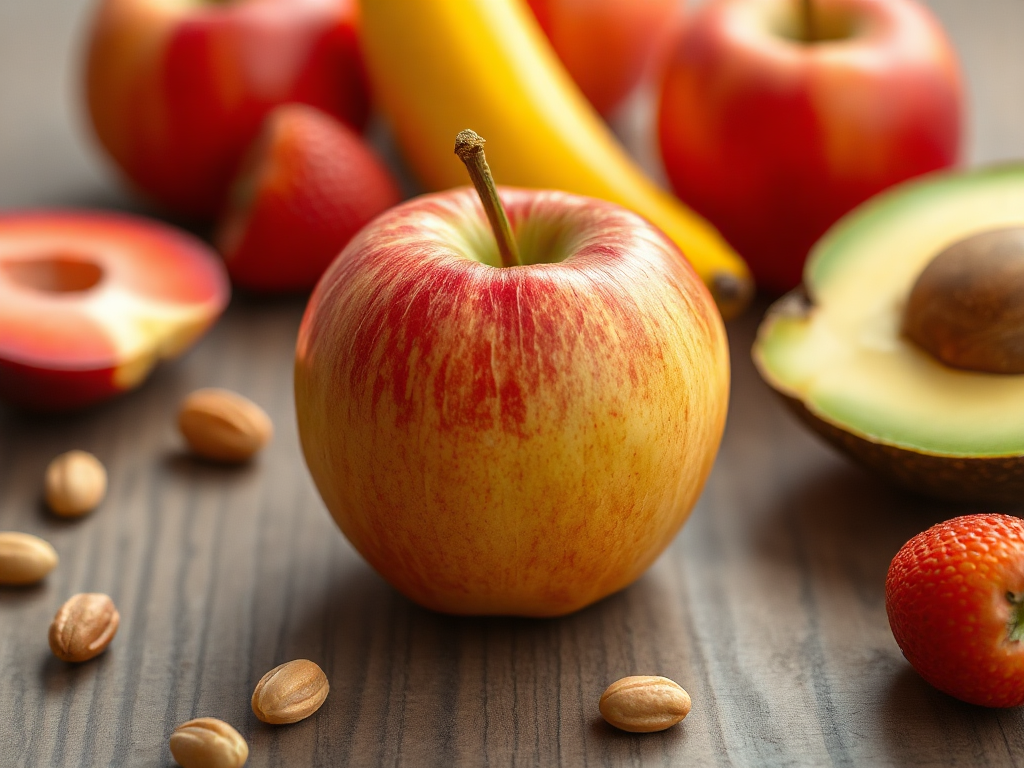
Organic fruit portions for balanced snack carbohydrates work best when the serving matches your appetite and the fruit is paired with protein, fat, or another fiber-rich food. A small apple with nut butter, berries with plain yogurt, or a measured portion of grapes with cheese can provide carbohydrates without making the snack feel unbalanced. Whole fruit is generally more filling than juice because chewing and fiber slow eating, while dried fruit needs tighter portions because its carbohydrates are concentrated. Choose fresh, frozen, or unsweetened fruit, check the portion before eating, and adjust the pairing for activity level, hunger, and personal blood-glucose needs.
What Makes a Fruit Snack Carbohydrate Portion Balanced?
A balanced fruit snack begins with a portion that supplies useful carbohydrate without crowding out the foods that make the snack satisfying. Fruit contains naturally occurring sugars along with water, fiber, vitamins, minerals, and plant compounds. The carbohydrate amount varies considerably: a few berries and a large banana are both fruit, but they do not provide the same amount of carbohydrate or the same level of fullness.
Portion size matters because snack carbohydrates are easy to underestimate when fruit is cut, blended, or eaten directly from a large container. A practical starting point is about one small whole fruit, one cup of berries or melon, or roughly one-half cup of chopped fruit. These are not universal prescriptions. A person preparing for exercise may need more carbohydrate, while someone with low appetite may prefer less fruit alongside a protein-rich food.
Whole fruit usually offers a better structure for a snack than juice. An orange requires chewing and retains its pulp, whereas orange juice can be consumed quickly with little physical volume. Smoothies can fit a balanced eating pattern, but blending makes a larger amount easy to drink and may reduce the pause that normally helps a person notice fullness. The issue is not that blended fruit becomes nutritionally worthless; the issue is portion visibility and eating speed.
Use organic fruit portions for balanced snack carbohydrates as a planning tool rather than a rigid numerical rule. Organic production may matter to a shopper’s environmental, farming, or pesticide preferences, but organic fruit is not automatically lower in carbohydrate than conventionally grown fruit. The carbohydrate decision still depends on the type, form, amount, and companion foods.
Practical Portions for Fresh, Frozen, and Dried Fruit
Fresh and frozen fruit can usually be portioned by volume or by a recognizable unit. One small apple, pear, peach, or orange is easier to judge than a loosely filled bowl. A cup of strawberries, blueberries, melon, or sliced peaches provides a visible reference point, although the carbohydrate content differs among fruits. Berries generally provide less carbohydrate per cup than grapes, while a banana is more concentrated than many watery fruits.
Frozen fruit can be just as useful as fresh fruit when it has no added sugar. Frozen berries work well with yogurt, and frozen mango can be portioned before it is added to a smoothie or eaten partially thawed. Check the ingredient list rather than relying on the front label: fruit packed in syrup or mixed with sweetened sauces is a different snack from plain frozen fruit.
Dried fruit requires more attention because water has been removed, leaving a smaller volume with concentrated carbohydrate. A handful can quietly become several servings, especially with raisins, dates, dried cranberries, or apricots. Measure a small portion into a bowl or reusable container instead of eating from the package. Unsweetened dried fruit may still contain substantial naturally occurring sugar, and sweetened varieties add another source of sugar.
Portion choice should reflect the snack’s job. For a light midmorning snack, berries with plain yogurt may be enough. Before a long walk, a larger piece of fruit paired with a modest protein source may feel more appropriate. If the snack repeatedly leaves you hungry within an hour, increasing volume with whole fruit or adding protein may be more useful than simply choosing a sweeter fruit.
- Easy starting portion: one small whole fruit or about one cup of fresh or frozen fruit.
- More concentrated form: measure dried fruit rather than using a freehand handful.
- Label check: choose fruit without syrup or added sweeteners when the goal is a straightforward carbohydrate source.
Pairing Fruit With Protein, Fat, and Fiber
Fruit becomes more sustaining when it is combined with a food that adds protein, fat, or additional fiber. These nutrients do not erase the fruit’s carbohydrate, but they can change the snack’s texture, eating pace, energy density, and staying power. Greek yogurt with berries, an apple with peanut or almond butter, and a pear with cottage cheese are practical combinations because the companion food is easy to portion and requires little preparation.
The best pairing depends on the problem the snack needs to solve. Someone who wants a portable option might choose a clementine with a small portion of nuts. Someone who needs more protein may choose berries with unsweetened yogurt. Someone who wants a more substantial afternoon snack could combine sliced apple with cheese and a few whole-grain crackers, recognizing that the crackers add more carbohydrate.
Fiber is another reason whole fruit often works better than juice. The edible skin, pulp, seeds, and surrounding plant structure contribute to the eating experience and may slow consumption. Fiber amounts still vary, and a fruit snack should not be treated as a guaranteed blood-glucose solution. People respond differently based on the total meal pattern, medication, activity, sleep, and individual metabolism.
A common mistake is pairing fruit with several energy-dense extras while assuming the snack remains light because it is made from whole foods. Nut butter, nuts, granola, coconut, cheese, and yogurt can all fit, but portions still matter. Two tablespoons of nut butter, a large handful of nuts, and sweetened granola may turn a simple fruit snack into a much larger eating occasion. The goal is complementary balance, not unlimited additions.
For more ideas, compare fruit portions with balanced snack carbohydrates according to hunger and timing. A pairing that feels right after lunch may be too small after exercise, while a high-fat combination may feel heavy immediately before activity.
A Simple Method for Building Better Snacks
A repeatable method makes portion decisions easier than memorizing carbohydrate values for every fruit. First, choose the fruit form: whole, cut, frozen, or dried. Whole or cut fruit is generally the easiest place to begin because the amount is visible. Next, select a portion that fits the occasion. Then add one companion food if the snack needs more staying power, and In summary check whether added ingredients have changed the carbohydrate load.
Consider a desk snack at 3 p.m. A small apple may be appropriate if dinner is soon, but an apple alone may not satisfy someone who has several hours before the next meal. Adding a measured serving of nut butter or a piece of cheese may slow the snack and provide more staying power. If the apple is replaced with dried apple pieces, the person should reduce the portion because the same visual volume may contain much more fruit.
A useful checklist includes four questions:
- How hungry am I? Mild hunger may call for fruit alone; strong hunger usually calls for a companion food.
- When is the next meal? A longer gap may justify more volume or protein.
- Will I be active soon? Easily digested fruit may suit pre-exercise eating better than a heavy, high-fat pairing.
- What form am I using? Juice, sweetened fruit, smoothies, and dried fruit need more deliberate portion control than a small whole fruit.
Signs the approach is working include predictable hunger, a snack that feels satisfying without being uncomfortably heavy, and a portion that can be repeated consistently. Signs it needs adjustment include grazing from the package, feeling hungry again almost immediately, or routinely adding multiple sweetened foods. A food log can reveal patterns, but anyone using medication that affects blood glucose should discuss significant dietary changes with a qualified clinician rather than interpreting snack responses alone.
Common Mistakes and Realistic Adjustments
The most common error is treating all fruit as interchangeable. A cup of watermelon, a cup of grapes, and a large banana differ in density, texture, and carbohydrate concentration. Another mistake is assuming organic labeling changes the carbohydrate content. Organic and conventional versions of the same fruit are broadly comparable for carbohydrate planning; the organic choice addresses production preferences, not a separate portion rule.
Replacing whole fruit with juice is another weak tradeoff when fullness matters. Juice can be convenient and may have a place around certain activities, but it removes much of the original food structure and is easy to drink quickly. Sweetened fruit cups, fruit snacks, and flavored yogurt may also look fruit-based while contributing added sugars and less fiber than an intact piece of fruit.
Overcorrecting can create a different problem. Avoiding bananas, mangoes, or grapes solely because they taste sweet may unnecessarily narrow food variety. A smaller portion paired with yogurt, nuts, or cheese can be more practical than banning a preferred fruit. Conversely, adding protein does not make an oversized serving irrelevant. The portion and the full snack still determine the overall carbohydrate and energy intake.
Make one change at a time. If a berry-and-yogurt snack feels too small, increase the fruit or add a measured topping rather than changing every ingredient at once. If dried fruit leads to repeated overeating, switch to fresh or frozen fruit for a week and compare convenience and satisfaction. Readers managing diabetes, kidney disease, food allergies, or other nutrition-related conditions may need individualized guidance, since general portion examples cannot account for medication, laboratory results, or medical nutrition therapy.
Use organic fruit snack planning to create a short list of combinations you can actually prepare. Reliability matters: a portioned container of frozen berries and yogurt may work better than an ideal snack that is rarely available when hunger arrives.
Frequently Asked Questions
What is a reasonable fruit portion for a snack?
A useful starting point is one small whole fruit or about one cup of fresh or frozen fruit. Adjust it for hunger, activity, and the rest of the snack.
Does organic fruit contain fewer carbohydrates?
Organic labeling does not create a separate carbohydrate category. The fruit type, ripeness, preparation, and amount matter more for carbohydrate planning.
Is dried fruit suitable for balanced snacks?
Yes, but it should be measured because removing water concentrates carbohydrate into a smaller volume. Pairing it with nuts or yogurt may make the snack more satisfying.
Should fruit always be paired with protein?
No. Fruit alone may suit a light snack or activity period. Protein, fat, or extra fiber can be useful when the next meal is far away or fruit alone does not satisfy hunger.
Are smoothies as balanced as whole fruit?
A smoothie can fit a balanced snack, but blending makes large portions easy to consume. Measure the fruit and limit sweetened liquids, syrups, and oversized add-ins.
Conclusion
Balanced fruit snacks depend on visible portions, the form of the fruit, and the foods served alongside it. Fresh or frozen whole fruit is usually the simplest starting point; dried fruit and juice deserve closer measurement because they are easier to consume quickly or in concentrated amounts. Pair fruit with yogurt, nuts, nut butter, cheese, or another suitable food when hunger is substantial or the next meal is distant, while remembering that nutritious add-ins still contribute calories and, sometimes, carbohydrates. Organic selection can reflect personal production preferences, but it does not replace portion awareness. Choose two or three combinations that match your schedule, portion them before eating, and adjust based on satisfaction, activity, and any individualized medical nutrition guidance.