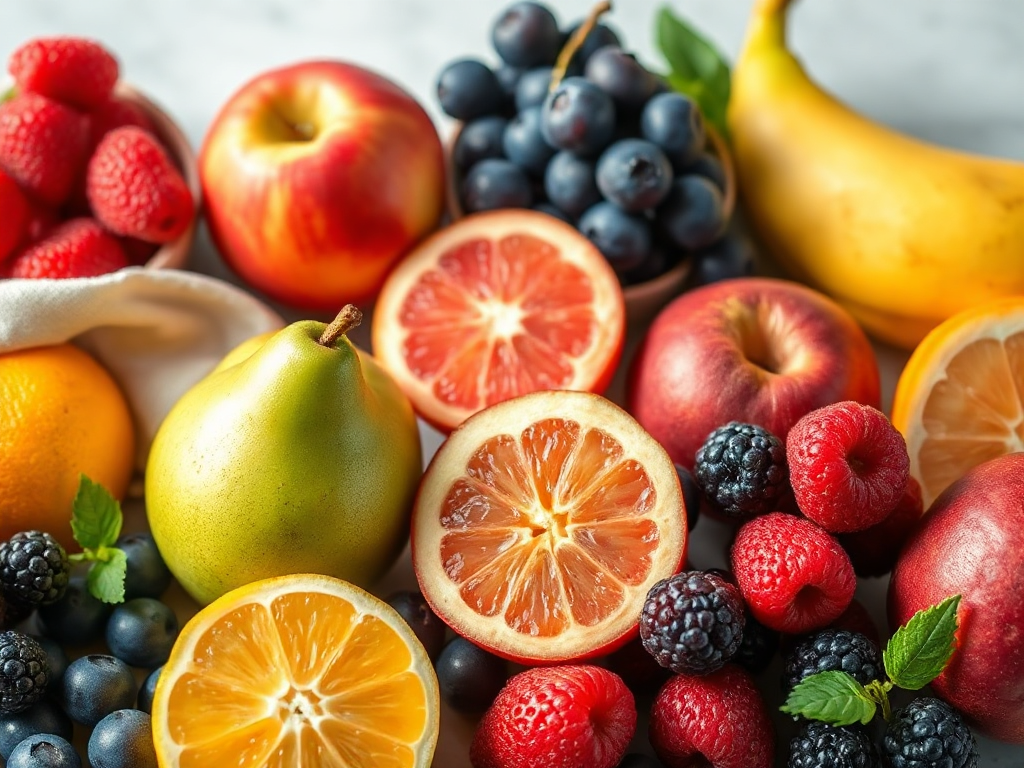
Organic fruits suitable for lower sugar desserts include berries, tart apples, pears, plums, peaches, and citrus, with berries usually offering the strongest flavor-to-sugar balance. Their fiber, acidity, water content, and natural sweetness let you reduce added sugar while keeping desserts moist and flavorful. Choose whole or frozen unsweetened fruit rather than juice, syrup-packed fruit, or sweetened dried fruit, then amplify flavor with citrus zest, vanilla, spices, or toasted nuts. Portion size still matters because organic fruit contains naturally occurring sugars, and baking can concentrate sweetness as moisture evaporates. For blood-glucose concerns or a medically prescribed diet, individual carbohydrate needs should guide portions with professional advice.
Fruit Traits That Make Lower-Sugar Desserts Work
Lower-sugar desserts depend less on finding a fruit with no sugar and more on selecting fruit that delivers strong flavor with manageable sweetness. Acidity, aroma, texture, water content, and fiber all affect how satisfying a dessert tastes. A sharply flavored raspberry or sour cherry may need less added sugar than a mild, very ripe melon, even when the exact carbohydrate difference is not the deciding factor.
Whole fruit also behaves differently from juice. Intact fruit retains its cell structure and fiber, while juice contributes sweetness without the same texture or chewing experience. Pureeing or cooking changes the eating speed and can make a modest amount feel more concentrated. Frozen fruit can work well, but it often releases extra water as it thaws, so a pie filling, crisp, or cake may need a small adjustment in flour, starch, or baking time.
Organic certification addresses how the fruit was produced, not whether it is lower in sugar. An organic apple, strawberry, or peach still contains naturally occurring sugars. The useful decision is to combine certified organic produce with a dessert formula that relies on fruit flavor, unsweetened dairy or plant ingredients, and restrained sweeteners. Readers comparing organic fruits suitable for lower sugar desserts should assess both the fruit and the complete recipe.
A common mistake is choosing fruit solely by its reputation as “healthy.” A large serving of very ripe fruit, fruit juice, dates, or dried cranberries can contribute substantial sweetness to a recipe. Flavor intensity is a better baking criterion: tartness and fragrance can make a dessert taste complete before sugar becomes the dominant note.
The Best Organic Fruit Options for Baking and Chilled Desserts
Berries are often the most versatile starting point. Raspberries, blackberries, strawberries, and blueberries provide color, acidity, and aromatic compounds, while their seeds and skins add texture. Raspberries and blackberries are especially useful when a recipe needs tartness to offset a creamy base. Strawberries bring more water, so chopped pieces may make a cake or baked oat mixture wetter; roasting them briefly or draining thawed berries can improve the result.
Tart apples and firm pears suit baked desserts because their structure holds up under heat. Choose apples with noticeable acidity and use thin slices so the fruit softens before the topping overbrowns. Pears offer floral sweetness and a soft texture, but ripe pears can become watery. Firm fruit is preferable for a galette, crumble, or baked custard, while very ripe pieces are better folded into a compote where their moisture can evaporate.
Plums, peaches, nectarines, apricots, and sour cherries contribute a useful balance of acidity and fragrance. Stone fruit is excellent in a small skillet bake or yogurt-based dessert because a little fruit can flavor the entire portion. Sour cherries are naturally intense, but packaged versions must be checked carefully: canned fruit in syrup and sweetened dried cherries can turn a lower-sugar recipe into a heavily sweetened one. Frozen unsweetened cherries are usually easier to control.
Citrus works best as a flavor amplifier rather than the main bulk ingredient. Orange, lemon, lime, and grapefruit zest can make berries, apples, or cultured dairy taste sweeter without adding much sugar. Citrus segments can add freshness to a fruit-and-yogurt dessert, although grapefruit may taste bitter when combined with certain sweeteners. Kiwi and pomegranate arils also provide acidity and visual contrast, but they are better added after cooking because heat can weaken their fresh texture.
Fruit choice should match the dessert format:
- For crisps: use berries, tart apples, plums, or a combination of firm and juicy fruit.
- For chilled cups: use berries, citrus segments, kiwi, or lightly poached pears.
- For cakes and muffins: use grated apple, drained berries, or small pieces of peach and plum.
- For sauces: simmer tart berries or stone fruit briefly, then add zest or spices instead of automatically adding more sugar.
The weak assumption to avoid is that fresh is always better. Frozen unsweetened fruit is picked at a useful stage of ripeness and can be practical year-round. Fresh fruit is preferable when texture matters, while frozen fruit often wins for sauces, baked fillings, and blended desserts.
How to Build Flavor Without Loading on Added Sugar
A lower-sugar dessert needs multiple sources of flavor, not simply less sweetener. Acidity makes fruit taste vivid, salt sharpens contrast, and spices add warmth that can make a recipe feel more developed. Vanilla, cinnamon, cardamom, ginger, cocoa, toasted oats, unsweetened coconut, and nuts can provide aroma and texture without functioning as hidden sugar sources.
Start by tasting the fruit before mixing it into the recipe. A cold berry may taste less sweet than the same berry at room temperature, while a ripe peach may need little assistance. If the fruit is bland, adding sugar is not always the best correction; lemon zest, a pinch of salt, vanilla, or a short roasting step may create more impact. If it is sharply tart, a modest amount of sweetener can be balanced with a creamy ingredient such as plain yogurt or ricotta.
Roasting concentrates fruit flavor because water leaves the fruit and its edges brown. That method suits strawberries, plums, peaches, and pears, but it can also concentrate their natural sugars. Use a moderate portion and avoid coating the fruit in syrup before roasting. A spoonful of water, citrus juice, or a small amount of unsweetened applesauce can protect the surface while the fruit softens.
Texture is another form of satisfaction. A dessert with soft fruit, crisp nuts, and a thick yogurt or oat base may feel more complete than a bowl of sweet puree. For example, layer plain Greek-style yogurt with raspberries, toasted walnuts, and lemon zest. The yogurt contributes tang and protein, the berries supply acidity, and the nuts slow the texture from becoming one-note. This is different from adding honey to fruit puree, which increases sweetness without solving a texture problem.
Sweetener substitutions require judgment. Maple syrup, honey, coconut sugar, and agave are still added sugars; replacing table sugar with one of them does not make the dessert sugar-free. Sugar alcohols and concentrated nonnutritive sweeteners may change taste, moisture, or digestive comfort. A recipe intended for children, sensitive eaters, or a shared household may work better with a smaller amount of familiar sweetener than with a large quantity of an unfamiliar substitute.
For recipe development, reduce added sugar gradually and compensate with a specific flavor adjustment. Check whether the result is dry, tart, watery, or simply under-aromatic. Each problem has a different fix, and adding more sugar to every problem often masks the cause.
Portions, Preparation, and Common Dessert Mistakes
Portion size remains relevant even when a dessert uses organic whole fruit. The fruit’s natural sugar becomes more concentrated when several servings are reduced into a sauce, baked filling, or dried topping. A practical approach is to make fruit the visible centerpiece while keeping the sweetened component modest. A small berry crumble with an oat-and-nut topping may be easier to portion than a large pie filled with sweetened fruit paste.
Read labels on every packaged ingredient. Organic fruit cups may contain juice or syrup, and organic dried fruit may be sweetened or portioned in a way that makes it easy to use more than intended. Choose labels such as unsweetened, packed in water, or containing only fruit when those products fit the recipe. Wash and handle fresh produce according to food-safety guidance, and keep cut fruit chilled rather than leaving it at room temperature for extended periods.
Preparation affects both sweetness and structure. Chop apples and pears evenly so some pieces do not remain hard while others collapse. Drain thawed berries before placing them in pastry. Add delicate citrus segments, pomegranate, or kiwi near serving time. If a filling looks watery, allow it to drain or cook down rather than compensating with a large quantity of flour or sugar. If a baked dessert browns quickly, lower the heat or cover the topping instead of assuming the fruit needs more sweetener.
Use this short decision check before choosing a fruit:
- Need tartness? Select raspberries, blackberries, sour cherries, plums, or citrus.
- Need structure? Select firm apples, pears, or stone fruit for baking.
- Need a fresh finish? Add berries, citrus, kiwi, or pomegranate after cooking.
- Need maximum convenience? Use frozen unsweetened fruit and adjust for released water.
- Need tighter carbohydrate control? Measure fruit, avoid juice and dried fruit, and consider the full recipe portion.
The most common failure is treating “organic” as a nutritional shortcut. Certification can matter to a shopper’s farming and production preferences, but it does not remove the need to evaluate ripeness, portion, added ingredients, or the dessert’s total carbohydrate content. People managing diabetes or another medical condition should use individualized guidance rather than assuming that any fruit dessert is automatically suitable.
Signs the formula is working include noticeable fruit aroma, a clear tart-sweet balance, and enough textural contrast that the dessert does not depend on frosting or syrup. Signs it needs revision include a sticky sweetness that hides the fruit, a watery base, or a dry topping added to compensate for weak flavor. Adjust the specific fault rather than changing every ingredient at once.
For nutrient data and produce-handling information, consult the USDA FoodData Central and food-safety guidance from the U.S. Food and Drug Administration. These resources can help readers compare whole, frozen, canned, and dried fruit while checking preparation practices.
Frequently Asked Questions
Which organic fruits are usually easiest to use in lower-sugar desserts?
Berries, tart apples, pears, plums, peaches, and citrus are practical choices because acidity and aroma can reduce the need for added sugar.
Does organic fruit contain less sugar than conventional fruit?
Organic certification does not determine sugar content. Variety, ripeness, serving size, and preparation have more direct effects on sweetness.
Is frozen organic fruit suitable for baking?
Yes. Use unsweetened frozen fruit, drain excess thawing liquid when necessary, and expect a softer texture than fresh fruit.
Can dried organic fruit fit a lower-sugar dessert?
It can, but drying concentrates natural sugars and makes portions easy to underestimate. Use small measured amounts and avoid sweetened varieties.
What adds sweetness without using much sugar?
Fruit aroma can be strengthened with vanilla, citrus zest, cinnamon, ginger, salt, toasted nuts, or a tangy unsweetened dairy ingredient.
Conclusion
Choose organic fruit for a lower-sugar dessert by judging acidity, aroma, structure, and water content rather than relying on the organic label alone. Berries and tart stone fruit suit sauces and chilled desserts, while firm apples and pears hold their shape in baked dishes. Keep fruit whole or unsweetened, measure concentrated ingredients such as dried fruit, and use zest, spices, salt, nuts, and tangy bases to build satisfaction without piling on syrup. Frozen fruit is a useful option when its extra moisture is managed. Taste the fruit first, identify whether a recipe needs more flavor or merely more sweetness, and adjust that specific issue. Anyone following individualized carbohydrate or medical guidance should treat these desserts as part of the full eating pattern, not as automatically unrestricted foods.
Further Reading
Authoritative Sources
- 19 Healthy Fruit Desserts to Satisfy Your Craving
foodnetwork.comThese recipes scale back on added sugar, and include healthy ingredients that also provide fiber or protein. Dessert may just be the cherry on ...
- Sugar-Free and Naturally Sweetened Desserts
delscookingtwist.comThese sugar-free and naturally sweetened desserts will help you cut processed sugar from your diet without compromising on the flavors.
- 15 best low-sugar fruits for overall health
cookunity.comFruits with less than 5g of sugar per 100g like avocados, berries, and lemons are ideal for blood sugar management; The fiber in whole fruits ...
- How to Bake When You Have Diabetes
everydayhealth.com“Making a fruit pie, like apple or mixed berry, and using less sugar can incorporate more vitamins, minerals, and fiber into your dessert while still giving you ...