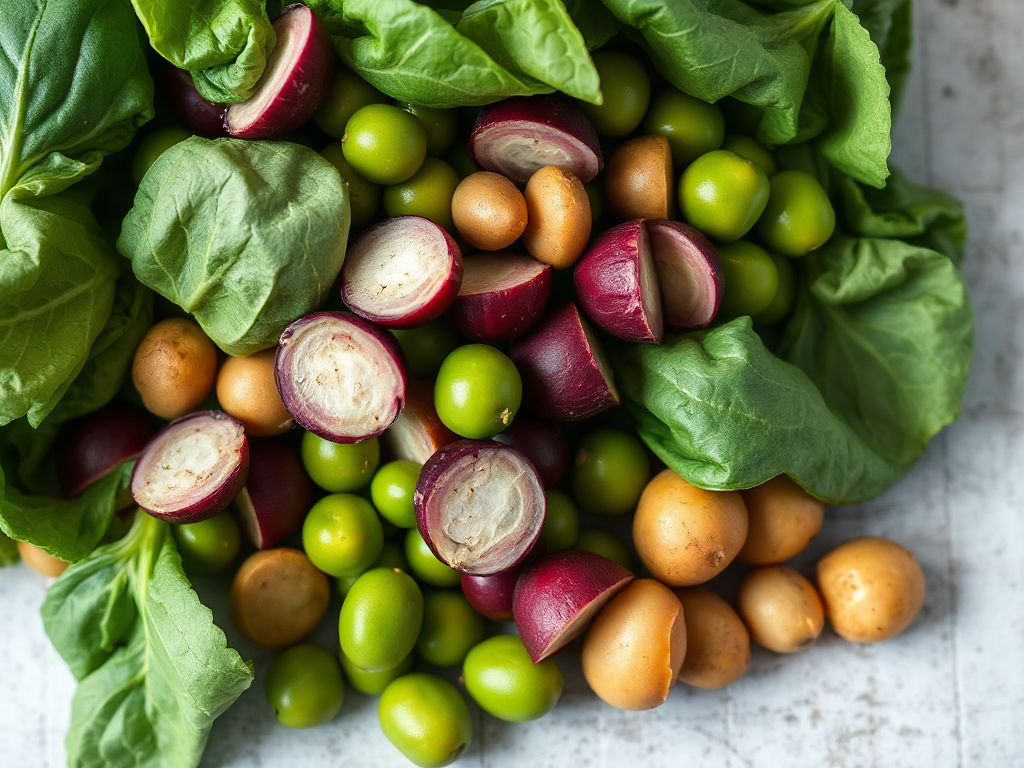
Vegetables that provide plant based magnesium naturally include spinach, Swiss chard, beet greens, edamame, peas, potatoes, and winter squash; leafy greens and legumes generally deliver the most magnesium per practical serving. Magnesium supports nerve function, muscle contraction, energy metabolism, and normal bone structure, but cooking method and portion size affect how much you consume. Steam or sauté greens briefly, keep edible cooking liquid when suitable, and combine magnesium-rich vegetables with beans, whole grains, seeds, or tofu for a more substantial meal. Fresh, frozen, and canned options can all fit, although canned products may contain added sodium and boiled vegetables may lose some water-soluble nutrients.
The Highest-Magnesium Vegetable Choices
Leafy greens and legumes deserve priority when the goal is to obtain magnesium from vegetables rather than relying on supplements. Spinach, Swiss chard, beet greens, and other dark green leaves contain magnesium because the mineral is part of chlorophyll, the pigment involved in photosynthesis. Edamame, peas, and some beans add magnesium along with protein and fiber, making them more substantial than a small garnish of greens. Potatoes, sweet potatoes, and winter squash contribute smaller amounts per serving but can still matter when they appear regularly in meals.
Spinach is a practical everyday option because it is available fresh or frozen and cooks down quickly. A large raw pile may look like a generous serving, yet heat collapses the leaves into a much smaller volume. That makes cooked greens easier to eat in meaningful amounts, while also making portion comparisons between raw and cooked forms potentially misleading. Swiss chard and beet greens bring a similar leafy-green advantage, but their stronger flavor may work better with garlic, lemon, beans, or grains than in a plain salad.
Edamame offers a different use case. Shelled edamame can be added to grain bowls, soups, or vegetable stir-fries, and its protein makes it useful when a meal needs more staying power. Green peas are also convenient, especially frozen peas, though they are usually better viewed as one contributor among several rather than the sole magnesium source. Potatoes and winter squash are valuable for meal structure and carbohydrate, but they should not be confused with the most concentrated vegetable sources.
A useful priority list is:
- For concentration: choose cooked leafy greens such as spinach, chard, or beet greens.
- For protein and magnesium together: use edamame or legumes.
- For accessible staples: rotate peas, potatoes, sweet potatoes, and winter squash.
The common mistake is treating one “superfood” as the answer. A varied pattern is more realistic: greens at one meal, edamame or beans at another, and a magnesium-containing starch or seed-based topping when appropriate. Readers comparing vegetables that provide plant based magnesium naturally should consider the amount they will actually eat, not only a nutrient number attached to a tiny reference serving.
How Preparation Changes Magnesium Intake
Preparation affects magnesium intake mainly through water loss, serving concentration, and what happens to the cooking liquid. Magnesium is not destroyed simply because a vegetable is heated, but boiling can move some minerals into the water. If that water is discarded, the final vegetable may contain less of the original mineral than if the vegetable is steamed, microwaved with little water, or cooked in a soup where the liquid is eaten.
Steaming leafy greens is a useful middle ground because the leaves soften without sitting in a large volume of water. Sautéing can also work well, although oil increases calories and may change the role of the dish from a plain vegetable side to a more energy-dense preparation. Frozen spinach is convenient for sauces, lentil dishes, and soups; its compact form makes it easier to use consistently than fresh leaves that wilt in the refrigerator. Canned edamame or beans can save time, but draining and rinsing may reduce some sodium, depending on the product.
Cooking is not automatically better or worse than eating vegetables raw. Raw spinach provides bulk and texture, while cooked spinach allows a person to consume more leaves by volume. Raw vegetables may retain their original water-soluble nutrient profile, but a very large salad is not necessarily a more effective magnesium strategy if only a modest amount of leafy produce is eaten. Conversely, boiling a large pot of greens and throwing away the water may waste part of the mineral contribution.
Use the method that matches the vegetable and the meal:
- Steam or quick-sauté: suitable for greens served as a side.
- Simmer in the dish: useful for soups, curries, chili, and bean-based stews.
- Microwave with minimal water: practical when speed matters and texture is secondary.
- Boil briefly and reuse the liquid: reasonable for recipes in which the cooking water becomes broth or sauce.
Overcooking is a frequent failure point because it can make greens unpleasant, encourage smaller portions, and increase the temptation to discard the cooking liquid. Signs that the approach is working include tender vegetables that remain appealing enough to eat repeatedly and meals in which the greens or legumes are not merely decorative. Magnesium intake depends on the edible portion, so a method that improves consistency may be more valuable than a theoretically perfect technique that rarely gets used.
Building Meals Around Plant-Based Magnesium
Magnesium-rich vegetables work best when they are treated as part of a meal pattern rather than isolated ingredients. Pairing greens or edamame with whole grains, tofu, lentils, nuts, or seeds can create a more complete plant-based plate, while beans and vegetables add fiber and different textures. The aim is not to create a medicinal meal or guarantee a particular health outcome; it is to make magnesium-containing foods easy to include often.
For breakfast, sautéed spinach can be folded into tofu scramble or added to a savory grain bowl. At lunch, edamame can turn a salad of cabbage and carrots into a more filling meal, especially with brown rice or another whole grain. Dinner might combine Swiss chard with white beans and tomatoes, or pair roasted winter squash with lentils and a seed topping. These combinations also solve a practical problem: a vegetable side alone may be too small to provide much total food, whereas a mixed dish supports a more satisfying portion.
Meal composition matters more than chasing the highest listed source. A person who dislikes bitter greens may eat peas, edamame, potatoes, and bean-based soups consistently. Another person may prefer frozen spinach blended into a tomato sauce or cooked into dal. The first approach can be more useful than buying a specialty green that spoils before it is prepared. Freshness, budget, cultural food preferences, cooking equipment, and available time all influence whether a food becomes a regular source.
A simple three-step plan can make the choice concrete:
- Select one leafy green for two or more meals, using fresh or frozen depending on storage needs.
- Add one legume-based vegetable, such as edamame or peas, to a bowl, soup, salad, or stir-fry.
- Finish with a compatible staple such as a potato, whole grain, tofu, beans, or a small amount of seeds.
The weak assumption is that magnesium from vegetables must be consumed separately from other foods. Mixed meals are often easier to sustain and provide protein, potassium, folate, iron, and fiber alongside magnesium. Readers using vegetables that provide plant based magnesium naturally in a plant-based diet should also vary colors and food groups instead of narrowing the diet to spinach alone. Spinach can be useful, but dependence on one ingredient reduces variety and may make the plan less practical.
Portions, Limitations, and Smart Shopping
The amount of magnesium obtained from a vegetable depends on the edible serving, the food’s composition, and the rest of the diet. Nutrient databases commonly report values for a defined quantity, but people eat mixed portions and recipes. A cup of raw greens, a cup of cooked greens, and a serving of soup containing greens are not interchangeable measurements. Use package labels, reputable food databases, or the USDA FoodData Central database when a precise estimate matters, and interpret the number as an estimate rather than a guarantee.
Fresh, frozen, and canned produce can all have a place. Fresh greens are useful when shopping and cooking happen frequently. Frozen spinach, peas, and edamame offer predictable storage and reduce waste, which can be a major advantage for busy households. Canned vegetables and legumes are convenient for quick meals, but sodium varies widely; choosing no-salt-added products or rinsing standard versions may help lower the sodium contribution without removing the food from the menu. Drained canned vegetables may also have a different texture, so soups, dips, and stews are often better applications than crisp salads.
People with kidney disease, a medically prescribed mineral restriction, or complex medication and nutrition needs should not assume that increasing magnesium-rich foods is appropriate without individualized advice. Vegetables are foods, not treatments, and a higher intake cannot diagnose or correct a deficiency on its own. Persistent symptoms that raise concern about nutrient status warrant discussion with a qualified clinician rather than self-prescribing high-dose supplements. Food-first eating is generally a reasonable foundation, but medical circumstances can change the recommendation.
Before shopping, check four practical points:
- Choose at least one dark leafy green and one legume or pea-based option.
- Buy frozen when spoilage makes fresh produce unrealistic.
- Compare sodium on canned products if blood pressure or sodium intake is a concern.
- Plan the cooking method before purchase so the vegetable has a clear place in a meal.
A common mistake is judging nutritional value only by the raw appearance of the produce aisle. The best choice is the vegetable that can be stored safely, prepared acceptably, and eaten in a meaningful portion. That practical standard makes a rotating mix of greens, edamame, peas, potatoes, and squash more dependable than a narrow list built around one headline ingredient.
Frequently Asked Questions
Which vegetable is highest in plant-based magnesium?
Dark leafy greens such as spinach, Swiss chard, and beet greens are among the most useful vegetable sources. Edamame and other legumes also contribute magnesium in a more protein-rich format.
Does cooking remove magnesium from vegetables?
Some magnesium may move into boiling water, especially when the water is discarded. Steaming, quick sautéing, or eating the cooking liquid in soup can help retain more of the mineral in the finished meal.
Are frozen vegetables suitable for getting magnesium?
Yes. Frozen spinach, peas, and edamame can be practical choices because they store well and are easy to portion. Check whether sauces or seasonings add substantial sodium or sugar.
Can potatoes contribute meaningful magnesium?
Potatoes can contribute magnesium, particularly when eaten with their skin, but leafy greens and legumes are usually stronger choices for concentrating magnesium in a vegetable-focused meal.
Should everyone increase magnesium-rich vegetables?
Most people can include a varied selection of vegetables as part of a balanced diet, but those with kidney disease or prescribed mineral restrictions should seek individualized clinical guidance before making major changes.
Conclusion
Leafy greens, edamame, peas, potatoes, and winter squash provide practical routes to plant-based magnesium, with greens and legumes usually deserving the most attention. Focus on the portion that will actually be eaten, not a nutrient figure disconnected from a real meal. Brief steaming, quick sautéing, and using cooking liquid in soups can reduce avoidable losses, while frozen produce can make regular intake easier and canned options require a sodium check. Build meals by combining a magnesium-containing vegetable with beans, tofu, whole grains, or seeds, then rotate choices for variety. Anyone managing kidney disease, mineral restrictions, or suspected deficiency should obtain individualized medical advice rather than relying on food changes or supplements alone.
Further Reading
Authoritative Sources
- 7 Foods High in Magnesium and Potassium That Help ...
everydayhealth.comThe top magnesium-rich foods are grains, nuts, legumes, fish and leafy green vegetables. ... plant-based protein base for any meal, research explains. They are ...
- Great Plant-based Sources of Magnesium
gardenofgoodness.com.auHealthy salads, bean dips, or sauteed greens … spinach and kale over rice, or delicious made with legumes and leafy greens. Garden of Vegan's ...
- Top 10 Vegetables Highest in Magnesium
myfooddata.comVegetables high in magnesium include spinach, swiss chard, lima beans, acorn squash, artichokes, kale, peas, okra, sweet corn, and potatoes.
- Eye on Nutrition: Magnesium | WIC Works Resource System
wicworks.fna.usda.govGreen leafy vegetables, like spinach, kale, collard greens, mustard greens, and turnip greens Potatoes Soybeans (edamame)* Fruits, particularly bananas and ...