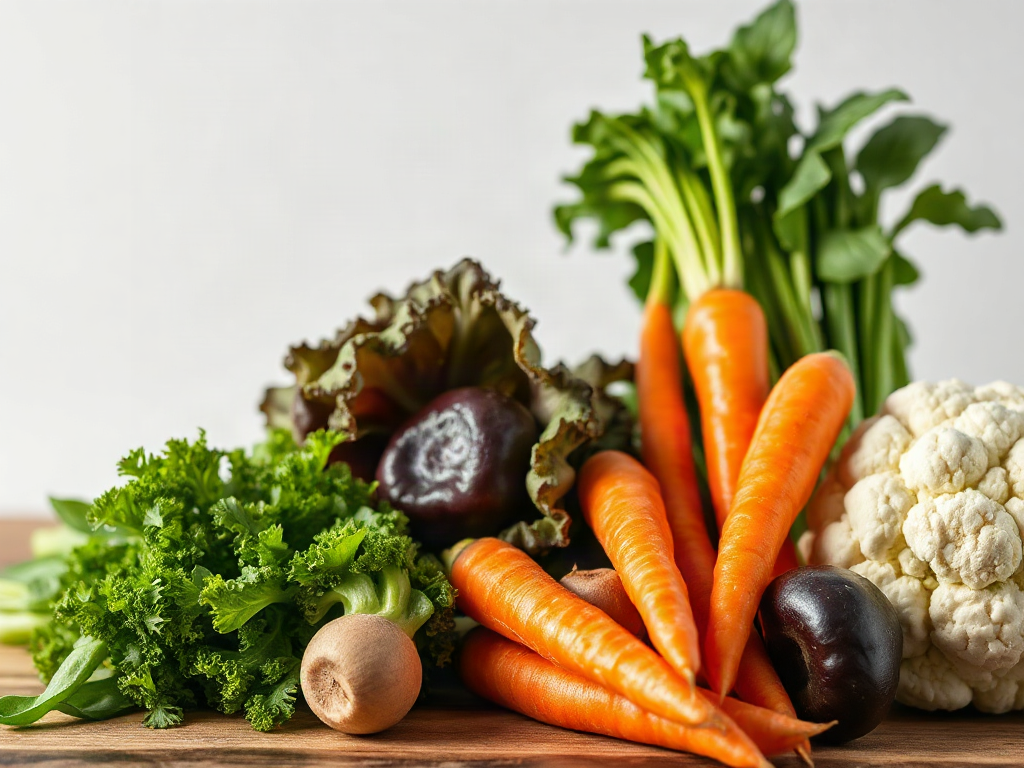
Vegetables with insoluble fiber for stool bulk include leafy greens, green beans, carrots, cabbage, broccoli, cauliflower, and vegetable skins. Their largely undigested fiber adds structure to stool and can help move intestinal contents, but the effect depends on adequate fluids, gradual portion increases, and normal gut motility. A practical approach is to add one cooked or raw vegetable serving to a meal, retain edible skins when comfortable, and increase variety rather than relying on a single high-fiber food. Large sudden servings may cause gas, cramping, or harder stools if fluid intake is inadequate. Persistent constipation, pain, vomiting, blood, or unexplained bowel changes warrants medical evaluation rather than more fiber alone.
How Insoluble Fiber Adds Stool Structure
Insoluble fiber is the part of plant food that resists digestion in the small intestine. It reaches the colon with much of its physical structure intact, where it can add material to stool and contribute to intestinal movement. That action explains why vegetables are often useful when stool is small, infrequent, or difficult to pass, although fiber is not a guaranteed treatment for every cause of constipation.
The effect is more practical than dramatic. A meal containing shredded cabbage, a baked potato with its skin, and cooked green beans supplies more physical plant material than a meal built around refined grains and strained foods. Insoluble fiber also holds some water within the stool matrix. If the rest of the diet and fluid intake are poor, however, increasing roughage alone may make stool feel bulky without making it easier to pass.
Vegetable fiber should not be confused with a single uniform substance. Carrots, leafy greens, broccoli stems, cabbage, and squash contain different proportions of insoluble fiber, soluble fiber, water, and fermentable carbohydrates. Texture matters as well: raw kale and cabbage are more physically coarse than well-cooked greens. That does not make raw produce automatically better. Someone with a sensitive gut may tolerate a softened vegetable portion more comfortably and obtain a more useful daily intake from it.
A common mistake is treating stool bulk as the only goal. A very large stool can still be hard if it lacks water, and constipation can persist when slow transit, medication effects, pelvic-floor dysfunction, or an underlying illness is involved. The practical priority is a gradual increase in varied vegetables alongside adequate fluids and regular meals. Readers seeking broader meal ideas can compare these options with other vegetables with insoluble fiber for stool bulk rather than chasing a single “best” food.
Vegetables That Provide Useful Roughage
Leafy greens, green beans, carrots, cabbage-family vegetables, and edible vegetable skins are dependable places to look for insoluble fiber. Collard greens, kale, Swiss chard, spinach, and mustard greens provide fibrous leaves; green beans offer a firm pod; and cabbage, Brussels sprouts, broccoli, and cauliflower provide stems, florets, or leaves with substantial plant structure. Carrots and potatoes contribute more roughage when their edible skins are retained and properly cleaned.
Different vegetables suit different digestive situations. Cooked carrots or green beans may be easier for a person who finds raw salads uncomfortable, while shredded cabbage or a crisp salad may add more texture for someone who tolerates raw produce well. Broccoli and cauliflower can supply useful fiber but may produce gas because some of their carbohydrates are fermented by gut bacteria. Gas is not proof that the food is harmful, but persistent discomfort is a reason to reduce the portion, change preparation, or choose another vegetable.
Portion size should be judged by tolerance, not by the largest amount a nutrition chart permits. A practical plate might include half a cup to one cup of cooked green beans with a meal, a medium carrot as part of a snack, or a serving of potato with its skin alongside protein and other foods. These examples are not prescriptions; individual needs vary with age, activity, fluid intake, medical conditions, and the rest of the diet.
Frozen vegetables can work as well as fresh ones for this purpose when they are minimally processed and not heavily coated in sauces. Canned vegetables may also contribute fiber, though sodium and added ingredients deserve attention. Juiced or strained vegetables are a weaker choice for stool bulk because removing pulp removes much of the physical fiber. The same distinction applies to vegetable powders: they may be convenient, but they do not necessarily reproduce the texture, water, or food variety of whole produce.
For a focused comparison, consider three choices: a baked potato with skin provides a dense, soft source; cooked leafy greens provide a lighter, water-rich serving; and raw cabbage provides more crunch but may be less comfortable for some people. Selecting among them should depend on tolerance, meal fit, and consistency. Variety is usually more sustainable than forcing one food that repeatedly causes bloating.
Portions, Preparation, and Fluid Balance
Gradual progression is the most reliable way to test higher-fiber vegetables. Someone eating very little produce may begin by adding one modest serving to one meal for several days, then increase variety or add a second serving if stools remain comfortable. This approach gives the digestive tract time to adjust and makes it easier to identify whether a particular vegetable, preparation, or portion is causing symptoms.
Preparation changes texture, volume, and tolerance more than it changes the basic fact that the food is a vegetable. Steaming, roasting, sautéing, or simmering softens cell walls and may make a fibrous portion easier to chew and digest comfortably. Overcooking can reduce appeal and may cause some water-soluble nutrients to move into cooking water, but a vegetable that is eaten consistently is often more useful than a raw option that leads to avoidance. Peeling also involves a tradeoff: removing a thick or damaged skin may improve comfort and safety, while keeping a clean edible skin retains additional fiber.
Fluid deserves attention because fiber interacts with water in the intestinal contents. Drinking more is not a universal cure, and people with fluid restrictions should follow their clinician’s advice. For others, spreading beverages through the day and eating water-rich vegetables can be more practical than adding a large amount of dry fiber at once. A meal of roasted vegetables with grains, beans, or soup may be easier to tolerate than a sudden bowl of raw produce eaten without other food.
Use a simple adjustment process rather than changing everything at once:
- Choose one vegetable serving that is realistic for the current diet.
- Keep the portion steady for several days while observing stool texture, frequency, gas, and discomfort.
- Increase variety or portion size only when the first change is comfortable.
- Reduce the amount or switch to cooked vegetables if bloating or cramping becomes prominent.
The frequent failure mode is increasing roughage while neglecting the rest of the meal. A large raw salad may add bulk but provide little benefit if it replaces food the person tolerates better, disrupts appetite, or is followed by inadequate fluid intake. Preparation should serve consistency, not a rigid idea that raw vegetables are always superior.
When More Fiber Helps—and When It Does Not
Adding fibrous vegetables may be useful when constipation is associated with a low-fiber eating pattern, irregular meals, or heavy reliance on refined and highly processed foods. Improvement is more likely when the change is maintained long enough to become part of normal eating rather than used as a one-day fix. Regular movement, adequate food intake, and a predictable toileting routine can also influence bowel habits, but vegetables should not be presented as a treatment for an undiagnosed condition.
Symptoms provide a better guide than a fiber target alone. Softer, formed stools that pass without excessive straining suggest that the current combination may be working. Increasing gas, abdominal pressure, hard pellet-like stools, or worsening discomfort suggests that the portion, speed of increase, fluid balance, or selected food may need reconsideration. People with irritable bowel symptoms may react differently to cabbage-family vegetables, onions used in vegetable dishes, or large raw portions because fermentable carbohydrates can contribute to gas and pain.
More roughage may be the wrong next step when constipation is new and severe, accompanied by vomiting, marked abdominal swelling, rectal bleeding, unexplained weight loss, fever, or significant pain. Persistent changes also deserve medical assessment. Certain medications and health conditions can alter bowel function, and simply adding vegetables may delay attention to the actual cause. A clinician or registered dietitian can help tailor fiber and fluid advice when there is kidney disease, a history of bowel narrowing, swallowing difficulty, or a prescribed fluid limit.
Another weak assumption is that insoluble fiber must be maximized while soluble fiber is ignored. Soluble fiber from foods such as oats, beans, and some fruits can contribute to stool water and consistency, while vegetables supply a useful mix rather than one isolated fiber type. A balanced pattern may be more comfortable than building every meal around raw roughage. Readers can use vegetables with insoluble fiber for stool bulk as one part of a food-based pattern that also includes tolerated carbohydrates, protein, and fluids.
Food safety still matters. Wash produce, remove damaged areas, and refrigerate cut vegetables promptly. Safe handling does not increase stool bulk, but it determines whether a practical fiber habit remains a healthy one. The best choice is the vegetable and preparation that can be eaten regularly without triggering avoidable symptoms.
A Practical Plate for Better Stool Bulk
A useful meal combines a fibrous vegetable with enough fluid-containing food and an overall diet that is not dominated by refined items. For example, a dinner of potato with skin, cooked greens, lentils, and a sauce or broth can provide varied fiber textures without relying on a giant raw salad. A lunch of a whole-grain wrap with shredded carrot and cabbage may suit someone who prefers crisp foods, while roasted carrots and green beans may be a better starting point for a sensitive stomach.
Prioritize the easiest sustainable change first: add one tolerated vegetable to a meal already eaten regularly. After several days, assess whether stool passes more comfortably and whether gas remains manageable. If the result is neutral, try a different vegetable or preparation rather than doubling the original serving. This food-by-food approach is especially useful for identifying whether raw cabbage, broccoli, potato skin, or another ingredient is the source of discomfort.
Do not judge success by frequency alone. Stool form, ease of passage, straining, urgency, pain, and the ability to maintain the pattern all matter. A person who has a bowel movement every day but strains heavily may need a different strategy from someone who goes less often without discomfort. Nutrition changes should be adjusted to the actual symptom pattern, with professional input when symptoms persist.
For additional meal planning context, use this vegetable fiber reference alongside attention to cooking method, portion progression, and personal tolerance. The aim is not to consume the roughest possible food. It is to create enough varied plant material, water, and routine to support comfortable bowel function without provoking symptoms.
Frequently Asked Questions
Which vegetables are highest in insoluble fiber for stool bulk?
Leafy greens, green beans, cabbage, broccoli, cauliflower, carrots, and potatoes with edible skins are practical choices. Exact fiber amounts vary by variety, serving size, and preparation.
Are raw vegetables better than cooked vegetables for constipation?
Not necessarily. Raw vegetables may provide more texture, but cooking often improves tolerance and makes it easier to eat a consistent portion.
Can too many fibrous vegetables make constipation worse?
A sudden increase, especially with inadequate fluids or low overall food intake, may cause bloating or harder stools. Increase portions gradually and monitor comfort.
Should vegetable skins be kept for more stool bulk?
Clean, edible skins on foods such as potatoes and carrots can add fiber, but peeling is reasonable when a skin is damaged, difficult to chew, or poorly tolerated.
When should constipation be evaluated by a clinician?
Seek medical advice for persistent or sudden constipation, severe pain, vomiting, abdominal swelling, blood in the stool, fever, unexplained weight loss, or major bowel changes.
Conclusion
Vegetable roughage works best as part of a steady eating pattern, not as a one-time remedy. Choose tolerated options such as greens, green beans, carrots, cabbage, broccoli, or potatoes with clean edible skins, then increase portions slowly. Cooking can make fibrous foods easier to eat, while adequate fluids help prevent added bulk from becoming uncomfortable or hard. Watch stool form, straining, gas, and pain rather than counting bowel movements alone. If symptoms worsen, remain unresolved, or include bleeding, vomiting, severe pain, or unexplained weight loss, seek medical guidance instead of continually adding fiber. A varied plate, realistic portions, and consistent observation provide a safer starting point than pursuing the roughest vegetable available.