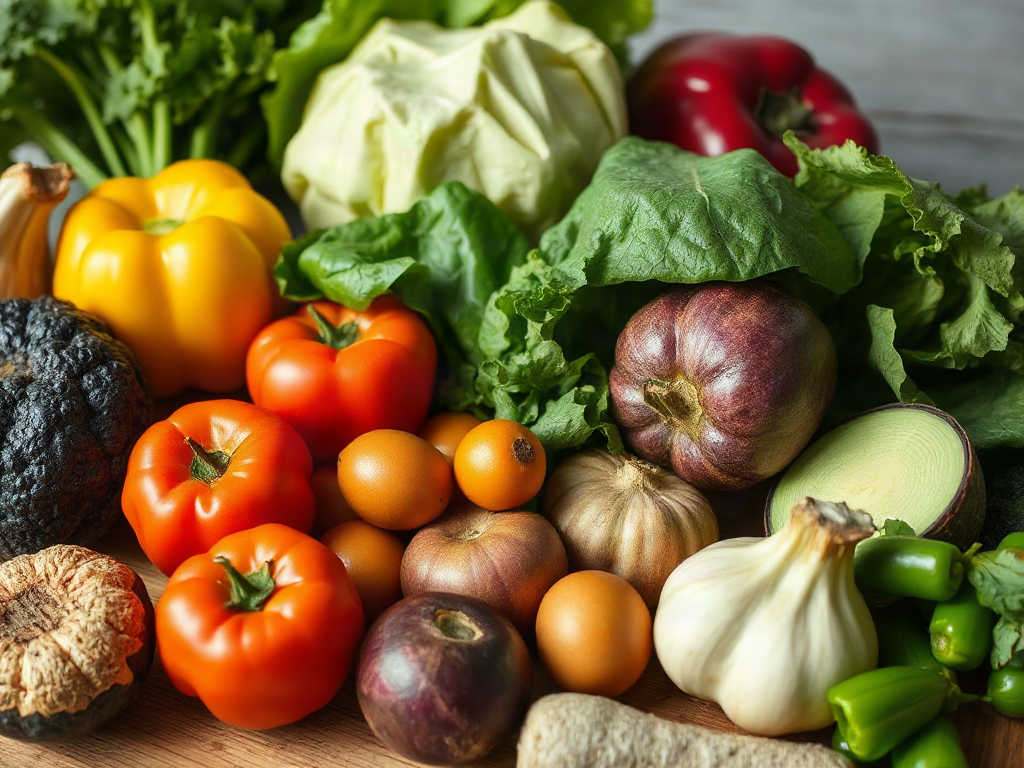
Organic produce strategies for easing sudden fiber increases center on gradual portions, softer preparation, varied fiber sources, and adequate fluids rather than cutting produce altogether. A practical approach is to begin with cooked carrots, zucchini, potatoes, peeled apples, or ripe pears, then add beans, berries, greens, and raw vegetables in small increments as tolerance improves. Sudden gas, bloating, cramping, or stool changes often occur when gut microbes receive more fermentable carbohydrate than they are accustomed to processing. Spread servings across meals, change only one major fiber source at a time, and monitor symptoms for several days. Persistent pain, vomiting, blood in stool, or severe diarrhea warrants medical advice rather than further dietary experimentation.
Why a Rapid Fiber Increase Causes Digestive Symptoms
A sudden jump in produce intake can change stool texture, gas production, and the speed of digestion before the gut has adapted. Fiber is not one substance: soluble fiber absorbs water and forms a softer gel, while insoluble fiber adds structure and can increase stool volume. Fermentable fibers are used by intestinal microbes, producing compounds and gas during fermentation. A person who moves quickly from a low-produce diet to large salads, fruit smoothies, lentils, and bran-rich meals may therefore notice bloating even when every food is nutritious.
The source and dose matter more than the organic label. Organic apples, conventionally grown apples, frozen berries, and canned vegetables can all contribute fiber; organic certification does not make a food inherently easier to digest. The useful decision is whether the item is raw or cooked, peeled or intact, concentrated or whole, and eaten in a modest serving or several large portions. A smoothie, for example, may contain multiple pieces of fruit consumed quickly, while chewing a single piece of fruit takes longer and may be easier to assess.
Gas is not automatically a sign that produce must be avoided. It can reflect microbial fermentation, extra swallowed air, or a meal that combines several fermentable ingredients. Constipation may worsen if fiber rises while fluid intake remains low, particularly when meals become bulky without enough moisture. Diarrhea, urgency, or pain can have other causes, so a symptom diary should not be treated as a diagnosis.
Track the food, approximate portion, preparation method, timing, stool changes, and symptoms for three to five days. That record is more useful than labeling all vegetables as a problem. Someone who reacts to a large raw kale salad may tolerate cooked zucchini, peeled cucumber, or a smaller serving of tender greens. Readers comparing options can also review organic produce strategies for easing sudden fiber increases alongside their own response pattern rather than following a rigid food blacklist.
Produce Forms and Portions That Are Easier to Tolerate
Cooked, tender produce is often a practical first step after a rapid dietary change because heat softens plant cell walls and reduces the chewing and physical bulk required during a meal. Steamed carrots, roasted zucchini, peeled potatoes, cooked spinach, and well-cooked green beans may be more manageable than a large serving of raw cabbage or kale. Cooking does not remove all fiber, and it is not a guarantee against symptoms, but it can make the texture and volume less demanding.
Portion size is the main lever. Instead of adding a large bowl of salad at lunch and another at dinner, use a small side portion once daily for several days. A half cup of cooked vegetables, one small piece of fruit, or a modest handful of berries provides a clearer test than a mixed produce plate containing six new foods. If symptoms remain mild, increase one serving gradually. If discomfort rises sharply, return to the last comfortable amount rather than abandoning fiber entirely.
Peeling and removing seeds can reduce rough texture for some people, though these steps also remove part of the fiber and nutrient content. A peeled apple may be a useful transition from refined snacks, while an intact apple may fit better once tolerance improves. Ripe bananas, applesauce without excessive added sugar, cooked pears, and soft squash offer different textures than raw fruit and crunchy vegetables. Frozen produce can be just as practical as fresh; thawing or cooking it may improve softness and reduce pressure to eat it quickly before it spoils.
Concentrated forms deserve extra attention. Juicing removes much of the fiber, while smoothies retain it but can deliver several servings rapidly. Dried fruit is compact, so a small-looking amount may represent a larger carbohydrate and fiber load than expected. Beans, onions, garlic, cauliflower, and some fruit are highly fermentable for certain individuals; they need not be permanently excluded, but introducing them one at a time makes cause and effect easier to identify.
A useful comparison is comfort versus fiber density. Raw raspberries may provide more fiber per bite than melon, but melon may be a gentler first choice for someone recovering from a low-fiber routine. The priority is a sustainable pattern, not the highest possible number on the first day. A food can be nutritious and still be poorly timed or oversized for a sensitive digestive system.
A Practical Stepwise Plan for Adding More Fiber
A stepwise plan works best when it changes one major variable at a time. Begin with the amount of produce already tolerated, then add a small serving of one prepared item to a meal that is otherwise familiar. Keep the rest of the meal simple enough to interpret. For example, add cooked carrots to lunch rather than introducing carrots, lentils, a large salad, berries, and a new whole-grain cereal on the same day.
Spread fiber across the day instead of placing most of it in one evening meal. Pair produce with foods that provide protein or fat, such as eggs with cooked vegetables, yogurt with a small serving of fruit, or rice with roasted squash. These pairings do not cancel fiber or guarantee symptom relief, but they can slow the pace of eating and make the meal less concentrated. Chew thoroughly and drink fluids regularly; forcing large amounts of water immediately after an uncomfortable meal is less useful than maintaining normal hydration throughout the day.
Use a simple progression:
- Stabilize: return to portions that produce manageable symptoms and choose cooked or soft items.
- Test: add one new fruit or vegetable in a small serving for several days.
- Adjust: increase the amount only if bloating, stool urgency, and cramping remain acceptable.
- Vary: rotate colors and plant families after individual foods are tolerated.
Signs that the pace is reasonable include predictable bowel movements, less fullness between meals, and symptoms that settle rather than intensify after eating. Signs that the increase is too fast include persistent distension, repeated loose stools, painful cramping, or constipation that worsens despite adequate fluids. Do not respond to every symptom by removing another food; that approach can leave the diet unnecessarily narrow and make it harder to meet nutrient needs.
People with a history of bowel disease, prior intestinal surgery, significant food intolerance, or medically directed dietary restrictions may need a more individualized plan. A dietitian or clinician can help distinguish a temporary adaptation issue from a condition requiring assessment. The same gradual approach may not suit someone with acute vomiting, severe diarrhea, or suspected obstruction.
Common Mistakes, Warning Signs, and Long-Term Adjustments
The most common mistake is treating “more fiber” as a single target instead of a change in food type, texture, and meal volume. A person may replace refined foods with enormous raw salads and several servings of fruit, then conclude that all produce causes symptoms. Another mistake is increasing fiber while cutting back on fluids or relying heavily on dry foods such as raw vegetable sticks, popcorn, and dense seed mixtures. The resulting discomfort may come from the combination rather than one ingredient.
Organic shopping can create a second practical problem: fear of waste. Buying a large quantity of unfamiliar produce encourages rushed meals and oversized portions before the food spoils. Purchase one or two new items, use frozen vegetables when appropriate, and prepare only what can be eaten comfortably. Washing and storing produce safely still matter; organic status does not remove the need for clean handling or refrigeration.
Do not assume raw is always healthier or cooked is always inferior. Cooking can reduce some heat-sensitive nutrients, but it also makes certain vegetables easier to chew and incorporate into a regular meal. A mixed pattern—some cooked vegetables, some fresh fruit, and gradually increasing raw produce—often offers more flexibility than a strict raw-food rule. Peels can contribute fiber, yet removing them temporarily may be sensible when rough texture aggravates symptoms.
Seek medical guidance for severe or persistent abdominal pain, repeated vomiting, black or bloody stools, unexplained weight loss, fever, dehydration, or a major change in bowel habits that does not settle. Fiber experiments should not delay evaluation of potentially serious symptoms. People taking medicines that affect bowel function should also ask a pharmacist or clinician whether a large diet change could alter tolerability or medication timing.
Once symptoms are stable, keep the successful foods in rotation and expand variety slowly. The goal is not to find a perfect organic produce list; it is to build a pattern that supplies vitamins, minerals, water, and different fiber types without making meals unpleasant. For meal-specific ideas, use organic produce strategies for easing sudden fiber increases as a planning reference, then adapt portions to tolerance, budget, season, and access.
Frequently Asked Questions
Should organic produce be increased gradually?
Yes. The gradual approach applies to fiber and meal volume, not specifically to organic certification. Add one modest serving at a time and observe your response.
Which produce is usually easiest to try first?
Cooked carrots, zucchini, squash, potatoes, tender greens, ripe bananas, peeled apples, and soft pears are practical options, although individual tolerance varies.
Can drinking more water prevent fiber-related bloating?
Fluids may support softer stools, especially when fiber rises, but they do not eliminate fermentation-related gas or fix an excessively rapid increase.
Are smoothies a good way to add produce?
They can be convenient, but smoothies may deliver several servings quickly. Use a modest portion and avoid adding multiple new high-fiber ingredients at once.
When should digestive symptoms be evaluated?
Seek medical advice for severe or persistent pain, vomiting, blood or black stools, dehydration, unexplained weight loss, fever, or a lasting bowel-habit change.
Conclusion
Easing into a higher-fiber produce pattern depends on pace, preparation, portion size, and observation. Cooked or soft items can provide a gentler transition than large raw salads, while spreading servings across meals reduces the chance of an abrupt fermentable load. Change one major food at a time, maintain ordinary hydration, and keep a short record of symptoms so you can identify personal tolerances instead of eliminating whole categories. Organic certification may guide purchasing preferences, but it does not determine digestive comfort. Once a few foods are working well, expand variety gradually and retain successful options in regular meals. Severe, persistent, or alarming symptoms call for professional evaluation rather than further dietary trial and error.