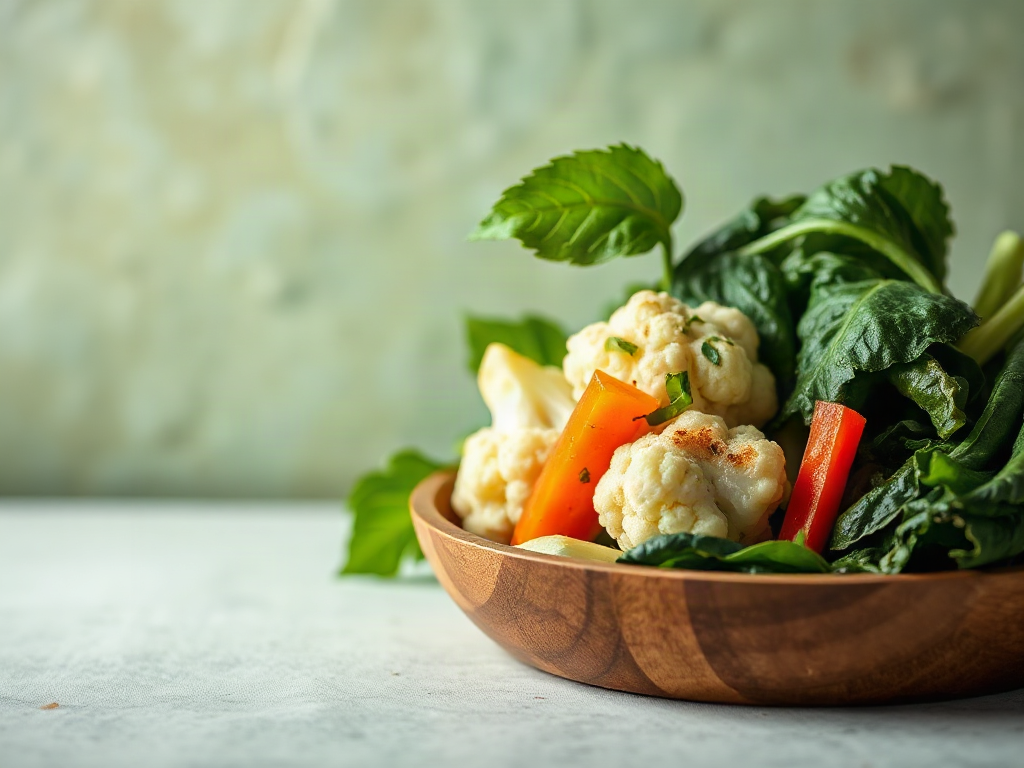
Vegetable meals that need added protein for completeness are dishes built mainly from vegetables, such as roasted cauliflower, sautéed greens, or a vegetable soup, but lacking a substantial source of protein and often enough energy to function as a full meal. Add beans, lentils, tofu, tempeh, edamame, eggs, fish, poultry, or unsweetened dairy according to your eating pattern. Protein improves satiety and supplies amino acids, while grains, potatoes, or other carbohydrate foods can make the plate more filling. A common mistake is treating nuts, seeds, or a small sprinkle of cheese as the entire protein portion; they may contribute protein but usually work better as additions rather than the main anchor.
When a Vegetable Meal Needs a Protein Anchor
A plate can be rich in color, fiber, and micronutrients yet still feel incomplete when its main ingredients are vegetables alone. A bowl of roasted zucchini and peppers, for instance, provides valuable plant compounds and volume, but it may leave someone hungry sooner than a bowl that also contains lentils or baked tofu. The issue is not that vegetables are inadequate; it is that most vegetables are relatively modest sources of protein per typical serving.
Protein contributes amino acids used throughout the body and tends to make meals more sustaining than a vegetable-only serving. The amount needed varies with body size, age, activity, total diet, appetite, and health circumstances, so a single universal target is not appropriate. A practical meal test is simpler: identify whether the dish has a clearly recognizable protein food, rather than assuming that its vegetable content makes it nutritionally complete.
Some meals sit in a gray area. A large salad containing chickpeas, pumpkin seeds, and a yogurt dressing may provide a meaningful amount of protein, while a small salad with a few beans scattered across the top may not. Similarly, a vegetable stir-fry made with a light sauce can be satisfying if it includes a generous portion of tofu, tempeh, shrimp, chicken, or edamame. The cooking method does not determine completeness; the ingredient balance does.
Use vegetable meals that need added protein for completeness as a planning lens rather than a label for foods to avoid. If the meal is intended as a side dish, protein may not need to be added because another course supplies it. If it is replacing lunch or dinner, the protein anchor deserves more attention, especially when the meal must carry someone through several hours.
Protein Pairings That Turn Produce Into Dinner
Beans and lentils are among the most practical additions to vegetable-centered meals because they combine protein with fiber and can be purchased dried, canned, or frozen. White beans work in tomato-based vegetable stews, black beans fit roasted squash and peppers, and lentils add body to soups built from carrots, tomatoes, celery, or leafy greens. Canned beans are convenient, although rinsing them can reduce surface salt and improve their flavor in a finished dish.
Soy foods offer a different texture and often suit meals where a firmer centerpiece is useful. Cubes of tofu can be baked before being added to broccoli and brown rice, while tempeh brings a denser, nutty bite to cabbage or green-bean skillets. Shelled edamame works especially well in grain bowls and salads because it requires little preparation. These options are not interchangeable in texture: tofu absorbs sauces, tempeh remains more substantial, and edamame is best for quick assembly.
Animal-based foods can complete the same vegetable meal when they fit the household’s preferences. Eggs pair with spinach, mushrooms, and tomatoes; fish can accompany roasted asparagus or a warm potato-and-green-bean salad; poultry can be folded into a vegetable soup or served over sautéed greens. Unsweetened Greek-style yogurt or cottage cheese can complement a baked vegetable dish, though dairy also introduces considerations such as lactose tolerance and saturated fat depending on the product.
Nuts, seeds, and nut butters deserve careful interpretation. Tahini on a cauliflower bowl, hemp seeds over a salad, or peanut sauce on vegetables can add protein, fat, and flavor, but a small garnish may not provide the same meal structure as beans, tofu, eggs, or fish. Choosing a concentrated topping as the sole protein source can also raise calories quickly. Pair a modest amount with a more substantial anchor when hunger control and meal volume both matter.
A useful example is a tray of roasted broccoli, carrots, and onions. Served alone, it functions well as a side. Add lentils and a spoonful of tahini, or place the vegetables beside baked tofu and a small serving of quinoa, and the same tray becomes a more complete main meal. The best pairing depends on texture, preparation time, cost, and tolerance for leftovers—not on finding one nutritionally perfect ingredient.
Portions, Meal Structure, and Dietary Tradeoffs
Meal completeness depends on proportion as well as ingredient presence. A few edamame beans sprinkled over a large bowl of lettuce may technically add protein without changing the meal’s staying power. Conversely, an oversized serving of cheese or nuts can supply protein while making the dish heavier than intended. A better approach is to make the protein food visible and substantial enough that it is clearly part of the meal’s identity.
Many vegetable meals also benefit from a carbohydrate source. Potatoes, oats, rice, corn, whole-grain bread, and quinoa can provide energy and improve satisfaction, particularly for active people or anyone eating a smaller number of meals. Protein alone does not turn a bowl of vegetables into a universally adequate meal. A lentil-and-vegetable soup may need bread; a tofu stir-fry may work better with rice; a bean salad may need potatoes or whole-grain pita when it is serving as lunch.
Dietary patterns create different tradeoffs. A vegan plate may rely on beans, lentils, peas, soy foods, or seitan, with attention to variety and the overall day’s intake. A vegetarian plate can use eggs and dairy when desired. A lower-carbohydrate eater may emphasize tofu, eggs, fish, poultry, or a larger bean portion while reducing grains, but removing carbohydrates without replacing their energy can leave the meal unsatisfying. Someone managing kidney disease, food allergies, digestive symptoms, or a medically prescribed diet should individualize protein choices with a qualified clinician.
Budget and preparation time matter just as much as nutrition. Dried lentils cook quickly compared with many dried beans, canned chickpeas simplify weeknight meals, and eggs are useful when a full recipe is not planned. Frozen edamame and tofu can remain available for emergency dinners. Processed meat alternatives may be convenient, but their sodium and ingredient profiles differ widely; they should be compared with minimally processed options rather than treated as automatically equivalent.
For a busy evening, build the plate in this order: choose the vegetables, select a clear protein anchor, add a suitable carbohydrate if needed, then finish with flavor ingredients such as olive oil, herbs, seeds, or sauce. This sequence prevents a common planning error—spending all the attention on vegetables and treating protein as an afterthought.
Common Mistakes and a Practical Completeness Check
The most common mistake is confusing nutritional density with meal completeness. A vegetable dish can contain potassium, folate, vitamin C, carotenoids, and fiber while still lacking enough protein for the occasion. Another weak assumption is that cooking vegetables with a small amount of oil or serving them with a tablespoon of hummus automatically creates a balanced entrée. Those additions may improve flavor and texture, but their protein contribution depends on the actual amount used.
Portion blindness is another problem. A recipe may list beans as an optional garnish, or a salad may contain a protein ingredient that is spread across several servings. Read the recipe yield and identify how much protein food reaches one plate. If four servings share one small can of beans, the result may be closer to a vegetable side with beans than a bean-centered meal.
Use this compact check before serving a vegetable-heavy entrée:
- Anchor: Is there a recognizable serving of beans, lentils, tofu, tempeh, edamame, eggs, dairy, fish, poultry, or another deliberate protein choice?
- Energy: Will vegetables and protein alone be satisfying, or would potatoes, grains, corn, or bread make the meal more suitable?
- Texture and flavor: Does the protein complement the vegetables, or is it present only because a recipe says it should be?
- Practical fit: Can the meal be prepared, stored, and tolerated comfortably within the eater’s schedule and dietary needs?
Signs the structure may need adjustment include hunger soon after eating, repeatedly reaching for snacks, or leaving the table feeling that the meal was mostly a side dish. Those signals do not prove a protein deficiency, but they can indicate that the serving lacks sufficient protein, energy, or both. The useful next step is to change one variable at a time: increase the bean or tofu portion, add an egg or yogurt, include a grain or potato, or replace a light garnish with a true protein component.
Readers comparing meal ideas can also use this vegetable-meal framework when adapting recipes. A roasted vegetable salad, for example, may need lentils for a vegan lunch, while the same vegetables may only need a boiled egg and whole-grain toast for someone seeking a lighter meal. Completeness is contextual, but the reasoning remains concrete: vegetables supply the base, protein provides structural balance, and the remaining ingredients should match appetite and activity.
For nutrient details and serving information, compare recipe ingredients with food-composition data from the USDA FoodData Central database, and review general protein guidance from the National Institutes of Health Office of Dietary Supplements. People with diagnosed medical conditions or prescribed dietary restrictions should use those references as background information rather than a substitute for individualized nutrition advice. Additional meal ideas can be found through vegetable meals that need added protein for completeness.
Frequently Asked Questions
Which vegetable meals most often need added protein?
Vegetable soups, roasted vegetable trays, salads, sautéed greens, and plain stir-fries often need a deliberate protein food when they are served as the main meal rather than a side.
Are vegetables themselves a source of protein?
Yes, vegetables contribute some protein, but most common servings do not provide as much as beans, lentils, tofu, eggs, dairy, fish, or poultry. Their contribution is useful but may not be sufficient alone.
Can hummus make a vegetable meal complete?
Hummus adds chickpeas, tahini, and flavor, but a small portion may not supply enough protein for a full meal. Pairing a larger serving with whole-grain bread, lentils, tofu, or another anchor may work better.
Do vegetable meals need grains as well as protein?
Not always, but grains, potatoes, corn, or bread can provide useful energy and improve satisfaction. The choice depends on appetite, activity, dietary pattern, and the size of the protein serving.
What is the easiest protein addition for a quick dinner?
Canned beans, frozen edamame, pre-baked tofu, eggs, or plain Greek-style yogurt require little preparation. Choose the option that matches the dish’s flavor, storage needs, and dietary restrictions.
Conclusion
A vegetable-centered meal becomes more complete when its role is clear. If it is a side, vegetables may be all that is needed on the plate because another dish supplies protein. If it is lunch or dinner, add a visible anchor such as lentils, beans, tofu, tempeh, edamame, eggs, dairy, fish, or poultry, then consider whether a grain, potato, corn, or bread is needed for lasting satisfaction. Judge the result by the actual serving, not by a garnish or a health-focused label. Start with the meal you already prepare most often, identify where hunger or low satisfaction appears, and adjust the protein portion before adding more toppings. People with medical nutrition requirements should personalize these choices with a qualified professional.