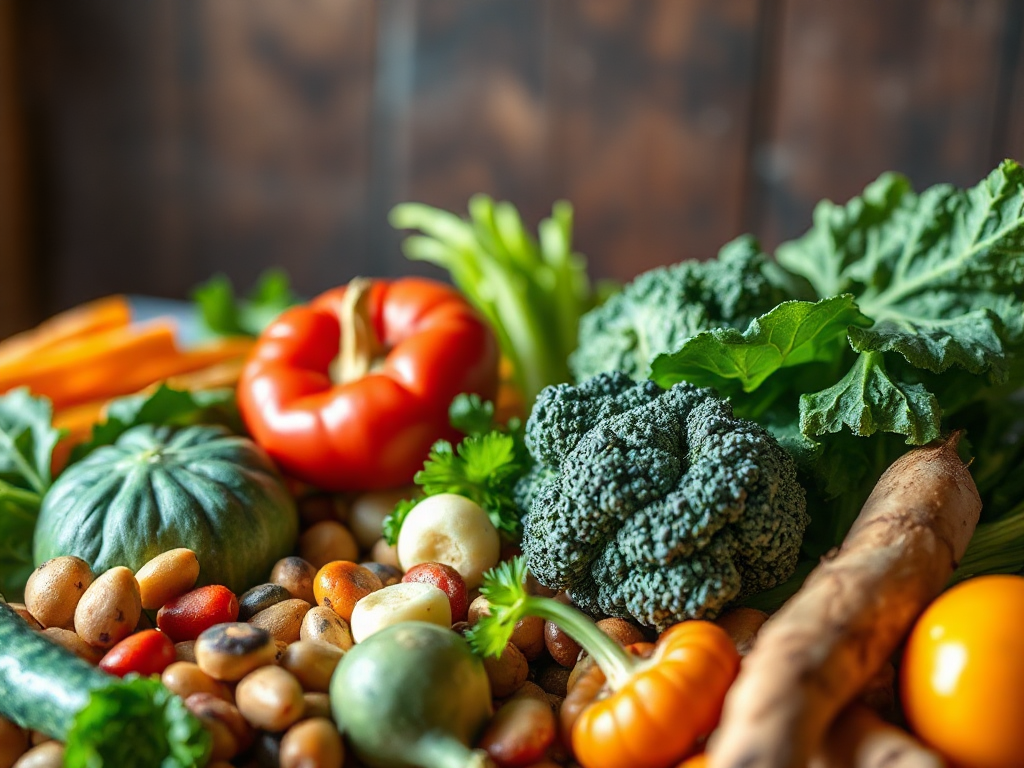
Organic vegetables for increasing dietary fiber without supplements work best when meals combine legumes, leafy greens, cruciferous vegetables, root vegetables, and intact skins rather than relying on one “high-fiber” food. Lentils, peas, artichokes, Brussels sprouts, broccoli, winter squash, and potatoes with skin can raise fiber intake through ordinary meals, while gradual portion increases and adequate fluids may reduce bloating. Washing produce well, changing preparation methods, and comparing cooked with raw portions helps preserve practical value without assuming organic status itself creates more fiber. People with digestive disorders, sudden bowel changes, or medically restricted diets should increase fiber cautiously and seek individualized advice when needed.
Which Vegetables Deliver the Most Usable Fiber
Fiber content varies widely among vegetables, so the most effective food-first approach is to choose several categories instead of adding a token garnish to an otherwise low-fiber meal. Legumes such as lentils, split peas, and green peas are especially useful because they combine substantial fiber with carbohydrate and plant protein. Artichokes, Brussels sprouts, broccoli, carrots, winter squash, and potatoes served with their skins can also make a meaningful contribution.
Organic certification describes production methods, not a guaranteed fiber advantage. A conventionally grown vegetable and its organic counterpart may have similar fiber values when the edible portion and preparation are comparable. The practical reasons to choose organic may involve farming preferences, availability, or pesticide-exposure choices; fiber planning should still be based on the vegetable, portion, and frequency.
For a useful comparison, a bowl of lentil and vegetable soup usually contributes more fiber than a lettuce-only salad, even if the salad appears larger. A baked potato with skin, broccoli, and beans creates a more substantial fiber base than peeled potato alongside a small serving of cooked carrots. USDA FoodData Central can help compare specific varieties and serving forms when labels or recipe estimates are unclear.
Use organic vegetables for increasing dietary fiber without supplements as a meal-planning idea rather than a single shopping list. Prioritize one legume or starchy vegetable, one green or cruciferous vegetable, and a colorful vegetable across the day. That combination is more dependable than chasing an unusually high number for one food.
How Preparation and Portions Change the Fiber You Eat
Preparation changes the amount of vegetable you can comfortably eat, but ordinary cooking does not remove all of its fiber. Steaming, roasting, sautéing, and simmering soften cell walls and often make a larger portion easier to consume. Peeling generally removes some fiber-rich material, especially from potatoes, carrots, and other produce where the skin is edible and well cleaned. Cutting, freezing, and reheating may alter texture without making a vegetable equivalent to a fiber supplement.
Portion size is the more easily overlooked variable. A few raw spinach leaves may look abundant but contain little mass compared with a cooked serving. Conversely, a large bowl of raw cabbage may be difficult for someone with a sensitive digestive system even though the vegetable is nutritious. Choose the form that allows a repeatable serving: roasted Brussels sprouts for one person, soft-cooked carrots for another, or a bean-and-vegetable stew for someone who prefers one-pot meals.
Cooking with water deserves a specific distinction. Fiber remains in the vegetable, while some water-soluble vitamins can move into cooking liquid. Soups and stews retain that liquid; drained boiled vegetables do not. Roasting concentrates flavor and may encourage larger portions, but added oil affects calories without increasing fiber. A microwave or steamer may be a better fit when speed matters and the goal is a simple side dish.
A common mistake is treating raw as automatically superior. Raw vegetables can provide crunch and convenience, but cooked vegetables may be easier to chew, digest, and serve in sufficient quantity. Another mistake is removing skins without a reason. Scrub intact produce under running water, trim damaged areas, and keep edible skins when texture and tolerance permit. Food-safety practices still apply to organic produce.
Building Higher-Fiber Meals Without Digestive Discomfort
A gradual increase is usually more manageable than an abrupt change from low-fiber meals to large salads, bran-like products, and multiple servings of beans. Fiber affects stool bulk and movement through the digestive tract, while some fermentable carbohydrates are used by gut microbes and can produce gas. The response depends on the person, the food, the portion, and the speed of the change.
Build meals in layers. Add a half-cup portion of beans or lentils to a vegetable soup, place roasted squash beside a protein, or mix chopped broccoli into a grain bowl. If that meal is comfortable for several days, increase the vegetable or legume portion rather than changing every meal at once. Water needs vary, but replacing very low-fluid eating with regular drinks alongside fiber-rich meals may be sensible unless a clinician has given fluid restrictions.
Pairing can improve both usefulness and satisfaction. Lentils with tomatoes, carrots, and greens make a complete-feeling soup; black beans with peppers, corn, and cabbage add varied textures; a potato with skin, steamed broccoli, and plain yogurt provides a simple dinner structure. These combinations are more practical than eating a large pile of one vegetable because they distribute fiber and make meals easier to repeat.
Watch for signs that the pace is too aggressive: persistent bloating, cramping, diarrhea, constipation, or a sharp change in bowel habits. Reducing the portion, choosing softer cooked vegetables, and adding foods one at a time can reveal what is causing difficulty. People with bowel disease, swallowing problems, a history of obstruction, or clinician-directed fiber limits should not use a general plan as medical advice. The aim is a sustainable food pattern, not a race to a target.
For more meal ideas, connect this topic with organic vegetables for increasing dietary fiber without supplements by rotating textures and cooking methods. A plan that is tolerated and repeated will usually be more useful than an ambitious menu abandoned after two uncomfortable days.
Common Mistakes and a Practical Shopping Plan
The biggest planning error is buying vegetables by appearance rather than by intended use. A refrigerator full of delicate greens may spoil before they become meals, while durable cabbage, carrots, onions, winter squash, frozen peas, and frozen broccoli can support several days of cooking. Fresh, frozen, and canned forms can all fit a fiber-focused pattern; canned beans and vegetables may need rinsing when sodium is a concern, while frozen vegetables often reduce preparation time.
Another weak assumption is that an organic label makes a packaged vegetable product automatically high in fiber. Vegetable chips, strained juices, and heavily processed snacks may contain less of the original structure than whole vegetables. Read the ingredient and nutrition panels, but remember that the edible plant form, portion, and recipe context matter more than the label alone. Juice can remove much of the pulp, and peeling or straining can reduce the fiber that made the original produce useful.
A compact shopping sequence can keep the goal concrete:
- Choose two durable vegetables, such as cabbage and carrots, for soups, slaws, or roasting.
- Add two green options, such as broccoli and peas, using fresh or frozen forms according to schedule.
- Buy one skin-on starchy vegetable, such as potatoes or winter squash, if tolerated.
- Include lentils, split peas, or beans to make the vegetable servings more substantial.
- Plan two batch recipes so the produce has a clear destination before it spoils.
Check whether the plan is working by looking for repeatability: are vegetables appearing at more than one meal, are portions increasing without discomfort, and are meals satisfying enough to avoid replacing them with refined snacks? If not, change the format before abandoning the goal. Frozen broccoli may work better than fresh for a busy schedule; blended lentil soup may work better than a raw salad for someone sensitive to rough textures. A registered dietitian or clinician can help adapt the pattern when digestive symptoms or medical restrictions complicate the decision.
Using organic vegetables for increasing dietary fiber without supplements effectively means matching produce to budget, storage, cooking time, and tolerance. Organic availability can vary, so a rigid list is less useful than knowing which vegetable categories can substitute for one another.
Frequently Asked Questions
Which organic vegetables are highest in fiber?
Artichokes, peas, Brussels sprouts, broccoli, winter squash, potatoes with skin, and legumes such as lentils and split peas are useful choices. Exact amounts depend on the variety and serving size.
Does organic produce contain more fiber?
Organic certification does not guarantee more fiber. Compare the same vegetable, edible portion, and preparation method when making a nutrition decision.
Are cooked vegetables as useful as raw vegetables for fiber?
Yes, cooked vegetables still provide fiber, and softening may make larger portions easier to eat. Stews and soups also retain cooking liquid that might otherwise be discarded.
How can I avoid gas when increasing vegetable fiber?
Increase portions gradually, introduce one major change at a time, choose cooked vegetables, and notice whether beans or particular vegetables trigger symptoms. Persistent or severe symptoms warrant medical advice.
Do vegetable juices provide the same fiber as whole vegetables?
No. Juicing and straining can remove much of the plant structure, so whole or minimally processed vegetables are generally the better choice when fiber is the specific goal.
Conclusion
A food-first fiber plan works best when vegetables are selected for their actual edible structure, realistic serving size, and place in a repeatable meal. Combine legumes with cruciferous vegetables, peas, roots, squash, or skin-on potatoes rather than depending on salads or juices alone. Keep organic purchasing separate from fiber assumptions: the label may reflect farming priorities, but the vegetable category and portion determine the dietary contribution. Cook produce in ways that fit tolerance, use soups when retaining liquid is helpful, and increase portions gradually. Frozen and canned options can be practical allies when freshness, cost, or time is limited. If bowel symptoms persist or a medical condition affects fiber tolerance, obtain individualized advice before making a major change.